
Women's Health
Female Infertility Causes & Treatment: What Every Woman Should Know
Female Infertility Causes & Treatment: What Every Woman Should Know. "Doctor, everything seems normal… then why am I still not able to conceive?" This is one of…
- Published November 25, 2025
- 5 minutes read
- Medically reviewed
- By Dr. Amita Abrol
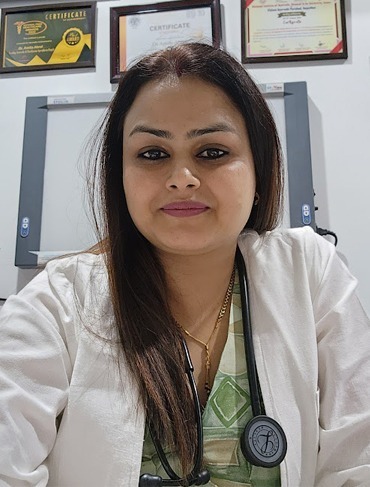
Personally supervised by Dr. Amita Abrol
Gold Medalist BAMS · MS Gynaecology & Obstetrics · 14+ years experience
In This Article
- Understanding Female Infertility – Explained Simply
- Why Infertility Happens: The Most Common Causes I See in Women
- Real Stories of Hope from Our Hospital
- How Ayurveda Understands Infertility
- Panchkarma Treatments That Support Natural Conception
- Diet & Lifestyle Guidance
- Why Women Trust Our Hospital
- A Gentle Message of Hope
“Doctor, everything seems normal… then why am I still not able to conceive?”
This is one of the most regular questions women ask when they first walk into Dr. Abrol Ayurveda & Panchkarma Hospital, Amritsar. As an Ayurvedic doctor, I always tell them: infertility is just a health condition like any other — it’s not your fault. Few women feel guilty, stressed, and confused, as if they themselves are responsible for everything. Stress and anxiety lead to hormonal imbalance, which increases the problem of infertility.
But do not worry, Ayurveda offers holistic, natural, and safe treatments that help women regain strength and overcome fear. It has no side effects. Through Panchkarma, herbal treatments, and lifestyle correction, we bring the body back into balance — naturally, gently, and effectively.
This article covers the real-world causes of female infertility, how Ayurveda views fertility, how Panchkarma restores hormonal balance, real patient stories, and why natural healing can make a major difference in your motherhood journey.
Understanding Female Infertility – Explained Simply
Female infertility means difficulty getting pregnant after regular unprotected intercourse. This problem is very common these days. You are not alone – 1 out of every 6 couples worldwide faces infertility (WHO research).
From our hospital data and global studies:
- 40% of infertility cases are due to female factors
- 30% are due to male factors
- 10% are mixed factors
- 20% remain unexplained
Whenever I meet a patient, I explain fertility in very simple words: “Pregnancy happens when the body is in harmony. If hormones, digestion, sleep, or the mind are disturbed, conception becomes difficult.” Ayurveda works by restoring this harmony.
Why Infertility Happens: The Most Common Causes I See in Women
Based on thousands of cases treated at our hospital, these are the major reasons:
1. Hormonal imbalance (35–40%)
The No. 1 reason women often come with: irregular periods, delayed ovulation, mood swings, sudden weight gain. Hormonal imbalance affects egg release, uterine lining, and overall cycle rhythm.
2. PCOS (25–30%)
Rising rapidly in young women. In our hospital, around 45% of young women with infertility have PCOS, which causes irregular cycles, acne, facial hair, cysts in ovaries, and difficulty in ovulation.
3. Blocked fallopian tubes (20–25%)
When tubes are blocked, egg and sperm cannot meet. Common reasons include infections, past surgeries, low immunity, and Vata imbalance.
4. Endometriosis (10–12%)
A painful condition where tissues grow outside the uterus, affecting implantation and causing inflammation.
5. Poor egg quality (15–20%)
Egg quality decreases naturally after 35 — but today, even younger women face this due to poor diet, stress, late-night lifestyle and hormonal disorders.
6. Stress, poor diet, and lifestyle (30%)
Almost 70% of my patients have high stress levels. Stress directly disturbs hormones like FSH, LH, and prolactin — all crucial for conception.
Real Stories of Hope from Our Hospital
1. Neha, 32 - PCOS + irregular periods
She came after 4 years of trying naturally. We started Virechana for detox, Basti for balancing Vata, Shatavari and Phala Ghrita, and simple dietary changes.
Result: periods regular within 2 months, ovulation improved, conceived naturally within 6 months.
2. Amandeep, 29 - blocked fallopian tubes
She was advised IVF elsewhere and chose Ayurveda first. Treatment: Uttarbasti, herbs for cleansing and strengthening, stress-reduction therapies.
Result: significant tubal opening, reduced pain, conceived in 8 months. She calls the hospital “her blessing.”
3. Sunita, 38 - low egg quality
Low chances of natural pregnancy. Treatment: rejuvenating Basti, Nasya for the brain-hormone connection, ghee-based diet, Ojas-boosting medicines.
Results: egg quality improved, stress reduced, conceived naturally after 10 months. Today she is enjoying motherhood — a story that inspires many.
How Ayurveda Understands Infertility
Ayurveda says infertility depends on:
Balanced doshas (Vata, Pitta, Kapha)
Especially Vata, which governs reproduction and movement.
Strong digestion (Agni)
Weak digestion leads to toxins (Ama), which leads to hormone imbalance.
Clean channels (Srotas)
If toxins block reproductive pathways, ovulation and implantation suffer.
Nourished reproductive tissue (Artava Dhatu)
Needs warmth, strength, circulation, and good nutrition.
Panchkarma helps in resetting the entire system, not just treating symptoms. I often tell my patients: “To conceive, your body needs purity, strength, emotional stability and balance. Panchkarma prepares all four.”
Panchkarma Treatments That Support Natural Conception
These therapies form the heart of infertility treatment at our hospital.
1. Virechana (detox therapy)
Helps detoxify the liver, bloodstream, and uterus. Benefits: reduces excess heat (Pitta), stabilizes hormones, improves PCOS & endometriosis, clears skin & improves digestion. Our observation: 45% of women with severe PMS improved within the first cycle.
2. Basti (medicated enema)
The most important therapy for infertility. Because Vata imbalance is the root of most fertility issues, Basti is extremely effective — it balances Vata, regulates periods, strengthens the uterus and ovaries, and reduces stress. Hospital data: 60% of women show better ovulation after 3–5 Bastis.
3. Uttarbasti (intrauterine therapy)
Highly effective for blocked tubes, thin endometrium, PCOS, and repeated miscarriages. Success rate at the hospital: 55–65% improvement in tubal patency after 3 cycles.
4. Abhyanga + Swedana
Ayurvedic oil massage + steam. Benefits: improves blood flow to the uterus, reduces anxiety, improves sleep, stabilizes hormone secretion. Observation: in the first week, around 80% of women report better sleep quality.
5. Nasya (nasal therapy)
Impacts brain centers that control hormones. Useful for stress, thyroid problems, and irregular cycles.
6. Ayurvedic medicines
We use herbs like Shatavari (for egg quality), Ashwagandha (for stress & hormones), Phala Ghrita (for uterine strength), and Gokshura (for ovulation). Each prescription is personalized.
Diet & Lifestyle Guidance
Simple but powerful: warm, fresh meals; add ghee, almonds, dates; gentle yoga & breathing; sleep before 10 PM. Avoid cold drinks, junk food, and late-night screen time. These simple practices balance hormones naturally.
Why Women Trust Our Hospital
- 30+ years of Ayurvedic experience
- High success rate in natural conception
- Personalized Panchkarma plans
- Safe, chemical-free treatments
- Emotional & mental support
- Complete privacy
A Gentle Message of Hope
If you are struggling to conceive, please remember: infertility doesn’t define you, your body can heal, your hope is valid, and your journey is unique — Ayurveda can guide you with compassion.
At Dr. Abrol’s Ayurveda & Panchkarma Hospital, we have seen countless women regain confidence, health, and finally motherhood. Miracles happen when the body comes back into balance — let Ayurveda show you the way.
Have questions about your own symptoms?
Every case is different. Book a consultation with Dr. Abrol for a treatment plan personalised to your Prakriti and health history.
In This Article
- Understanding Female Infertility – Explained Simply
- Why Infertility Happens: The Most Common Causes I See in Women
- Real Stories of Hope from Our Hospital
- How Ayurveda Understands Infertility
- Panchkarma Treatments That Support Natural Conception
- Diet & Lifestyle Guidance
- Why Women Trust Our Hospital
- A Gentle Message of Hope
Book a Consultation
Get a personalised Ayurvedic treatment plan from Dr. Abrol - in clinic or online.
Dr. Amita Abrol
Gold Medalist BAMS, MS Gynaecology
Continue Exploring
Related Treatments & Conditions
Keep Reading
More on Women's Health

Ready to Start Your Ayurvedic Healing Journey?
Book a clinic visit or online consultation with Dr. Abrol, based on what you've just read.