Hair & Scalp
Hair Fall
Ayurvedic hair fall treatment in Amritsar - finding the reason your hair is falling and treating it from the inside, with scalp therapies and diet.
- Hair & Scalp
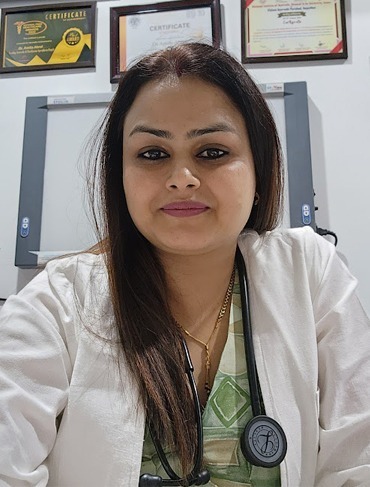
Personally supervised by Dr. Amita Abrol
Gold Medalist BAMS · MS Gynaecology & Obstetrics · 14+ years experience
Medically reviewed by Dr. Amita Abrol, BAMS (Gold Medalist), MS (Gynaecology & Obstetrics) · Last reviewed
How does Ayurveda treat hair fall?
Ayurveda sees hair fall (Khalitya) as a sign of an internal imbalance - usually excess Pitta, stress, poor nutrition or hormonal change. Treatment first finds the cause through history and blood tests, then combines herbal medicines, scalp oil therapies such as Shiro Abhyanga and Nasyam, and diet changes. Because hair grows slowly, results are judged after about three months.
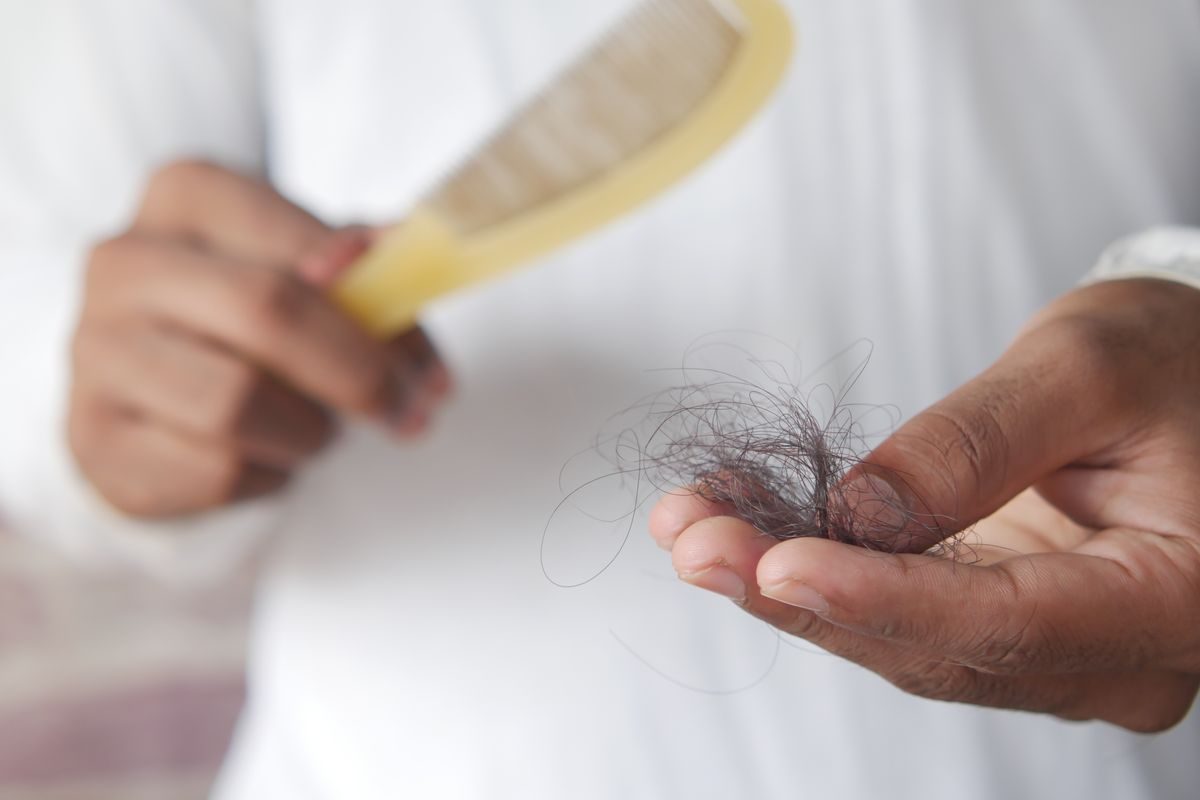
Losing some hair every day is normal - most people shed around 50 to 100 hairs a day. It becomes a problem when you see clumps on the pillow, the comb or the shower drain, your ponytail feels thinner, or your parting looks wider.
Hair fall is usually a sign of something else: stress, a recent illness or fever, pregnancy, crash dieting, thyroid problems, PCOD, or low iron, vitamin D or B12. Treating only the scalp, without finding that reason, is why so many oils and shampoos disappoint.
In Ayurveda, excessive hair fall is called Khalitya and is linked mainly to aggravated Pitta in the scalp, along with Vata and poor nourishment of the tissues. Dr. Abrol looks for the internal cause first, then treats both the inside and the scalp.
Common Symptoms
-
More hair than usual on the comb, pillow or in the shower
-
A wider parting or thinner ponytail
-
Receding hairline or thinning at the crown
-
Dandruff, itchy or oily scalp
-
Premature greying along with hair fall
-
Hair fall 2-3 months after a fever, illness, surgery or childbirth
How We Treat Hair Fall
Finding the Cause
A detailed history and blood tests to check for thyroid problems, PCOD, anaemia, low vitamin D or B12, and stress.
Herbal Medicines
Herbs traditionally used for hair and Pitta balance - such as Amla, Bhringraj and Brahmi - taken internally, chosen for your Prakriti.
Scalp Oil Therapies
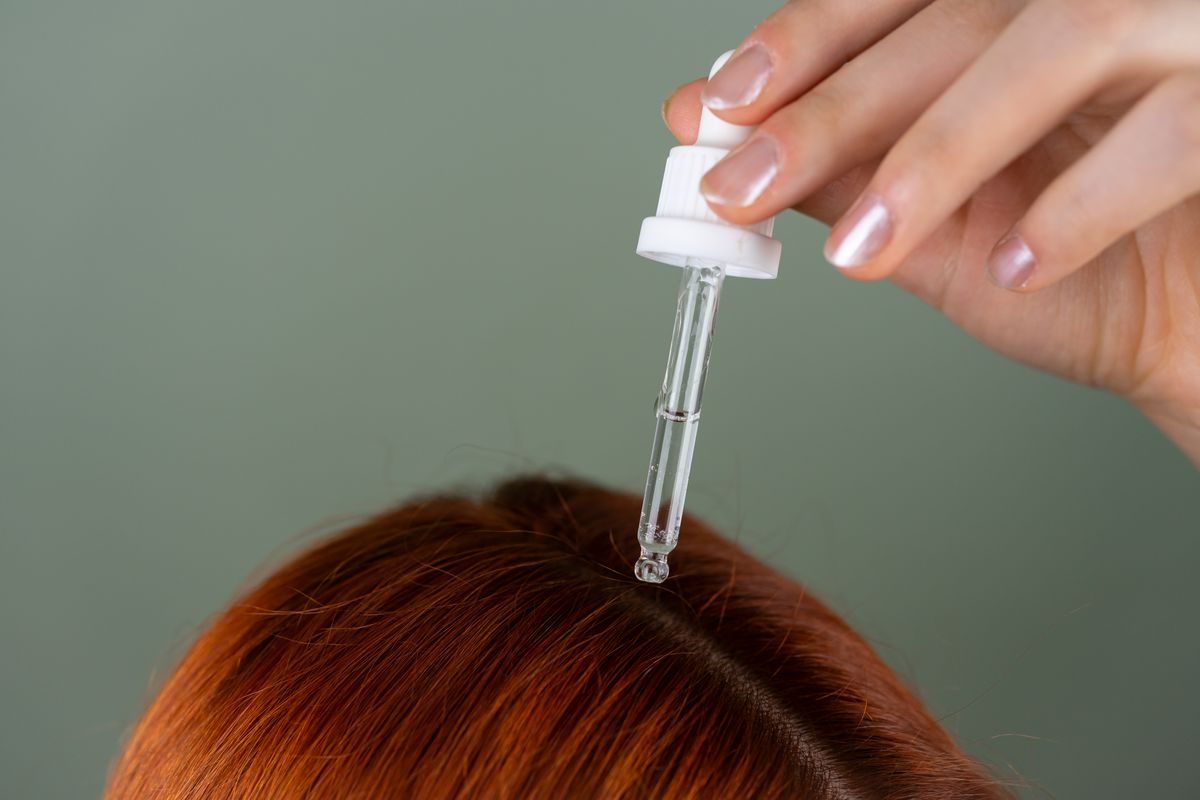
Shiro Abhyanga (head massage) with medicated oils, and Thalapothichil - a cooling herbal paste on the scalp - for heat and stress.
Learn about ThalapothichilNasyam
Medicated nasal drops, traditionally used in Ayurveda for hair fall and premature greying.
Learn about NasyamStress and Sleep
Shirodhara and a fixed sleep routine when stress is driving the hair fall.
Learn about Shirodhara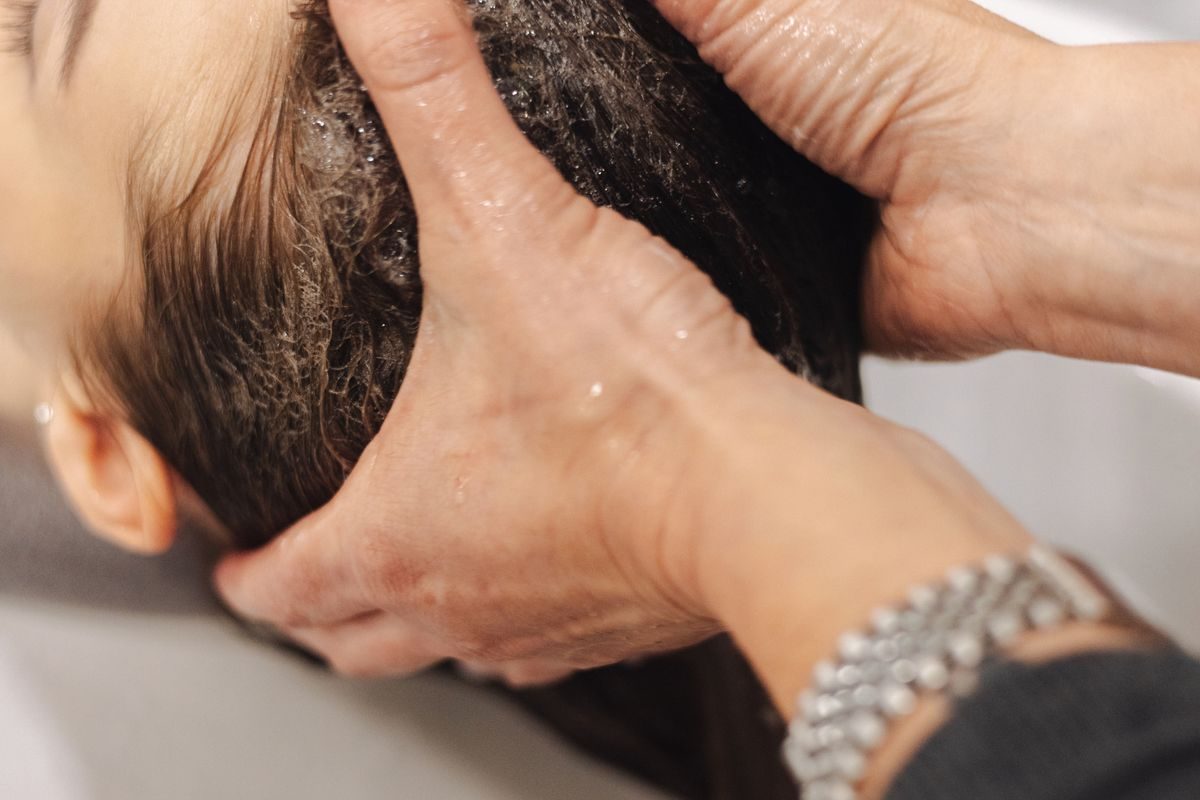
Who Is This For?
-
Women and men with hair thinning or heavy daily hair fall
-
Hair fall linked to PCOD, thyroid or after pregnancy
-
Hair fall after an illness, fever or a stressful period
-
People who have tried many oils and shampoos without lasting results
Blood Tests Worth Doing
Before starting treatment, these tests often explain hair fall:
- Haemoglobin and ferritin (iron stores)
- Thyroid profile (TSH)
- Vitamin D and vitamin B12
- Hormone tests if you have irregular periods, acne or facial hair (PCOD)
Simple Hair Care Habits
- Oil your scalp gently once or twice a week and wash it off the same day or the next - do not leave heavy oil on for days
- Wash with lukewarm, not hot, water
- Avoid tight ponytails, frequent heat styling and harsh chemical treatments
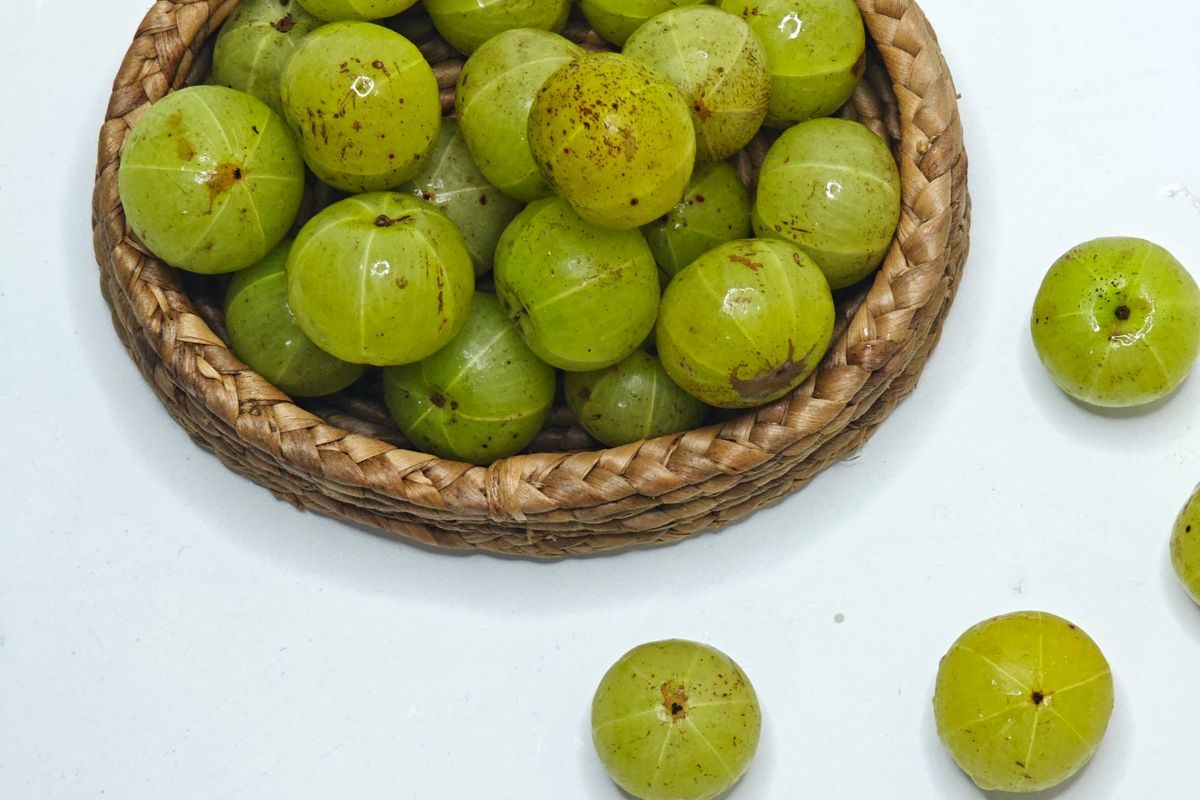
- Eat enough protein, and include Amla, leafy greens, sesame seeds and dates
- Sleep 7-8 hours - stress and poor sleep show up in the hair a few months later
- Be patient: hair grows about 1 cm a month, so judge any treatment after about 3 months
When to See a Dermatologist
- Round, completely bald patches (possible alopecia areata)
- Redness, scaling, pain or scarring on the scalp
- Sudden hair loss from the eyebrows, eyelashes or body
- Hair loss in a child
Your Treatment Journey
-
1
Book & Share Your History
Choose a clinic visit or online consultation. Share your medical history, reports, and health concerns in advance.
-
2
Consultation & Diagnosis
Dr. Abrol examines you in person or via video - including traditional Nadi Pariksha (pulse diagnosis) where relevant - to understand your Prakriti and current imbalance.
-
3
Personalised Treatment Plan
Receive a tailored herbal and Panchakarma plan, with clear timelines and expected outcomes.
-
4
Guided Recovery & Follow-up
Ongoing support through your treatment course, with follow-up consultations to track your progress.
Ready to start your healing journey?
Consult Dr. Amita Abrol - Gold Medalist BAMS, 14+ years experience. Online consultations available for patients worldwide.
Book a Consultation
Clinic in Amritsar or online - your choice.
Dr. Amita Abrol
Gold Medalist BAMS, MS Gynaecology
Hair Fall - Frequently Asked Questions
Related Conditions
Start Your Natural Healing Today
14+ years of Ayurvedic expertise. 210+ certifications. Trusted by patients across India and worldwide.