Panchakarma Therapies
Panchakarma Treatment
Panchakarma is Ayurveda's five-part cleansing treatment. Dr. Amita Abrol explains each therapy, the three stages, how many days it takes, what it costs and who should not have it.
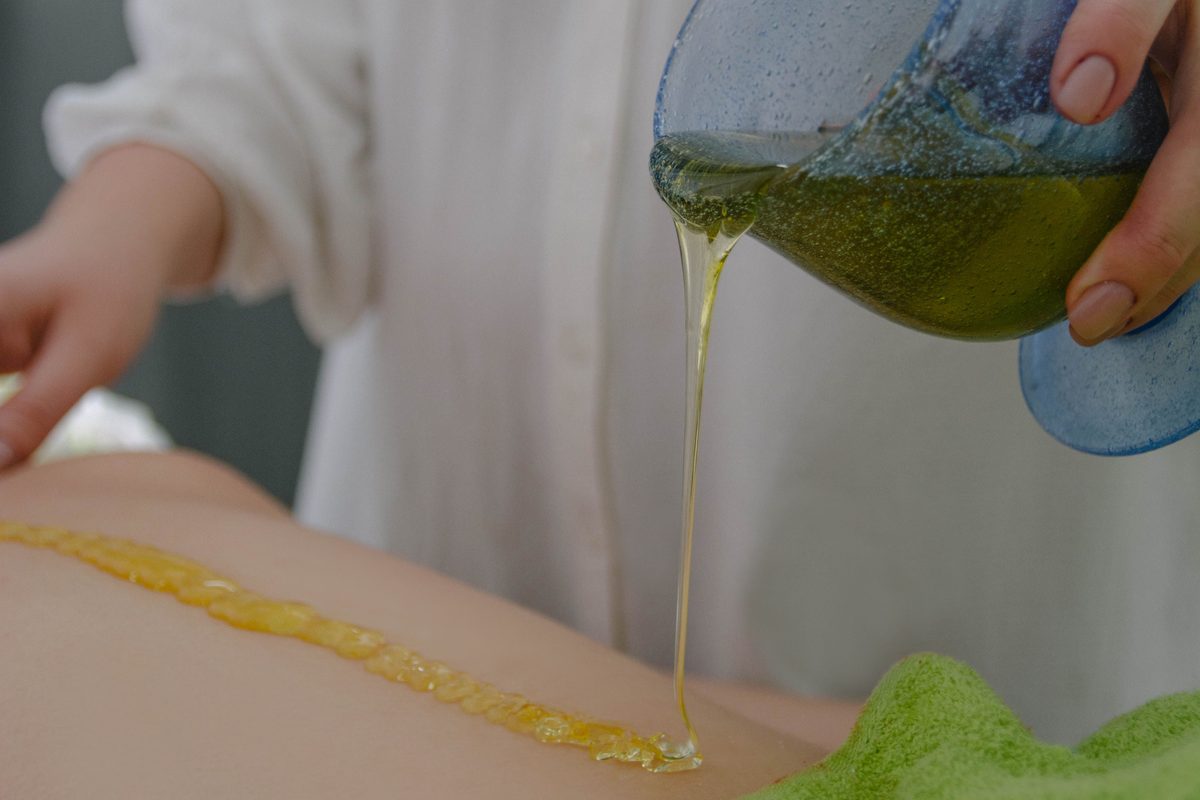
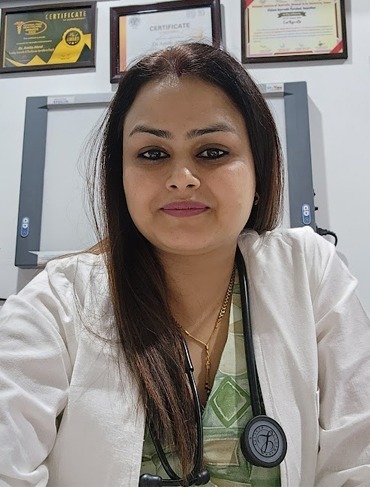
Personally supervised by Dr. Amita Abrol
Gold Medalist BAMS · MS Gynaecology & Obstetrics · 14+ years experience
Medically reviewed by Dr. Amita Abrol, BAMS (Gold Medalist), MS (Gynaecology & Obstetrics) · Last reviewed
What is Panchakarma?
Panchakarma is a set of five cleansing treatments in Ayurveda: Vamana (therapeutic vomiting), Virechana (therapeutic purging), Basti (medicated enema), Nasya (medicine given through the nose) and Raktamokshana (bloodletting). A doctor first prepares the body with oil and heat, then gives the one or two treatments you need, then rebuilds digestion with a step-by-step diet.
The name comes from Sanskrit. Pancha means five and karma means action or procedure. In Punjab you will often see it written as Panchkarma. Both spellings mean the same treatment.
Panchakarma is not a spa package. It is a medical procedure, planned by a doctor and adjusted day by day as your body responds. Most people do not need all five treatments. Dr. Amita Abrol chooses the one or two that suit your body type (Prakriti), your problem and your strength. The rest of the course is planned around them.
Ayurveda uses Panchakarma for long-standing problems where diet and medicines alone have not been enough. Examples are chronic skin conditions, joint and back pain, digestive trouble, stress and some hormonal problems. Healthy adults also have it once a year, in the right season, as preventive care. It is planned alongside your current treatment, not instead of it.
Panchakarma Therapies We Offer
Each therapy has its own page with the steps, session time and who it suits. After your consultation, Dr. Abrol combines the right ones into one plan.
-
Vasti (Basti) - medicated enemaView therapy →
-
Nasyam (Nasya) - medicine through the noseView therapy →
-
Abhyangam - warm medicated oil massageView therapy →
-
Swedanam - herbal steamView therapy →
-
Shirodhara - warm oil stream on the foreheadView therapy →
-
Udvartana - herbal powder massageView therapy →
-
Pizhichil - continuous warm oil bathView therapy →
-
Njavarakizhi - rice bolus massageView therapy →
-
Kati, Janu & Greeva Basti - back, knee & neckView therapy →
-
Uttar Basti - women's reproductive healthView therapy →
-
Liver Detox ProgrammeView programme →
-
Our Panchkarma Centre - rooms and locationVisit the centre →
Why Plan Your Panchakarma With Dr. Abrol
Planned by a Doctor, Not Picked From a Menu
Dr. Amita Abrol, BAMS (Gold Medalist) and MS, has 14+ years of practice. She examines you, reads your reports and decides which treatments you need and which you should skip.
Pulse and Body-Type Check
At the clinic, Nadi Pariksha (pulse reading) and a Prakriti (body type) assessment guide the choice of oils, medicines and course length.
Oils and Medicines Matched to You
Medicated oils, ghee and herbal medicines are chosen for your body type and your problem, not one standard kit for everyone.
Checked as You Go
Your response is reviewed through the course. If your digestion, sleep or energy says you are not ready, the plan is slowed down or changed.
Start Online, Finish at the Clinic
Patients from other cities and abroad can have the first consultation online. They begin the preparation diet at home, then travel for the treatments.
The Five Karmas of Panchakarma
The five Panchakarma treatments each clear excess dosha through a different route. Vamana works through the mouth, Virechana and Basti through the bowel, Nasya through the nose and Raktamokshana through the blood.
The Charaka Samhita counts Basti twice (an oil Basti and a herbal decoction Basti) and leaves out Raktamokshana. The Sushruta Samhita includes Raktamokshana. That is why you may see two slightly different lists of five.
| Treatment | What happens | Classically used for |
|---|---|---|
| Vamana (therapeutic vomiting). Mainly for Kapha. | After several days of preparation, a herbal drink makes you vomit in a controlled way, under supervision. | Chronic cough, a tendency to asthma, some skin problems, heaviness |
| Virechana (therapeutic purging). Mainly for Pitta. | A herbal laxative empties the bowels several times in one day, followed by rest and a recovery diet. | Psoriasis, acne, acidity, liver and skin complaints |
| Basti (medicated enema). Mainly for Vata. | A herbal decoction (Niruha) or medicated oil (Anuvasana) is given into the rectum, usually as a course over several days. | Joint and back pain, constipation, sciatica, nerve problems |
| Nasya (nasal medicine). Mainly for Kapha and Vata in the head and neck. | Drops of medicated oil are put into each nostril after a face massage and steam. | Sinus trouble, headaches, neck stiffness, hair fall |
| Raktamokshana (bloodletting). Mainly for Pitta and the blood (Rakta). | A small, measured amount of blood is removed, sometimes with medical leeches (Jalaukavacharana). | Some chronic skin diseases and local inflammation |
Basti is the treatment most often needed for Vata problems such as pain and stiffness. The Charaka Samhita calls it "half of all treatment" for this reason. Vamana and Raktamokshana are used far less often than the other three. Read more on the Vasti page and the Nasyam page.
The Three Stages of Panchakarma
Every Panchakarma course has three stages: preparation (Purvakarma), the main cleanse (Pradhan Karma) and recovery (Paschat Karma). Skipping the first or last stage is the most common reason people feel weak or unwell after a quick "detox".
- Before you start: a consultation, a look at your reports, a blood pressure check and, at the clinic, Nadi Pariksha. Dr. Abrol decides whether Panchakarma suits you now or should wait.
- Purvakarma (preparation, usually 3 to 7 days): light food and herbs to improve digestion (Deepana and Pachana). Then Snehana, which means taking medicated ghee by mouth and having a warm oil massage (Abhyangam), followed by herbal steam (Swedanam). This loosens excess dosha and moves it towards the gut.
- Pradhan Karma (main treatment): the one or two treatments chosen for you. Virechana takes a single day. A Basti course usually runs for 8 or 16 days.
- Paschat Karma (recovery, usually 3 to 7 days): Samsarjana Krama, a step-by-step diet. It starts with thin rice water (peya), then moves to khichdi and normal meals as digestion returns. Rasayana (rejuvenating) medicines may follow.
To see these stages for one condition, read Virechana for psoriasis, step by step.
How Many Days Does Panchakarma Take?
A full Panchakarma course usually takes 7 to 21 days, and some plans run for 28 days. The length depends on your problem, how long you have had it, your body type and the season. Programmes of 1 to 3 days give you the supportive therapies, but they are not a complete Panchakarma.
| Plan | Who it usually suits | What it includes |
|---|---|---|
| 1 to 3 days | First-timers, short visits, stress relief | Supportive therapies such as Abhyangam, Swedanam, Shirodhara and Nasya. Not a full cleanse. |
| 7 days | One focused problem, or a seasonal cleanse | Preparation, one main treatment and a short recovery diet |
| 14 days | Long-standing joint, skin or digestive problems | Full preparation, the main treatment and a proper recovery phase |
| 21 to 28 days | Older or more complex problems, or a full reset | The complete three-stage course with Rasayana (rejuvenation) therapy |
Cost at our clinic: short programmes start at ₹7,500. Full courses are listed on the Panchakarma wellness journeys page, for example ₹45,000 for 7 days (18 treatments) and ₹82,000 for 14 days (38 treatments). If you are travelling from abroad, see the medical tourism packages. Your exact plan and cost are confirmed after the consultation.
When Is the Best Time for Panchakarma?
Ayurveda matches each main treatment to a season: Vamana in spring (Vasant), Virechana in early autumn (Sharad) and Basti in the monsoon (Varsha). These are the seasons when each dosha naturally builds up in the body.
In Punjab, that means roughly March to May for Vamana, mid-September to mid-November for Virechana and July to September for Basti. If your problem is troubling you now, you do not have to wait for the season. The doctor adjusts the treatments, oils and diet to the time of year.
What Does the Research Say About Panchakarma?
Research on Panchakarma is still small, and the results so far are encouraging rather than final. Three studies are worth knowing about:
- In a 2002 study of 15 adults, blood levels of PCBs fell by 46% after a standard Ayurvedic oil-and-purgation programme. PCBs are long-lasting industrial chemicals stored in body fat (Herron and Fagan, Alternative Therapies in Health and Medicine).
- A 2016 study in Scientific Reports compared 65 people on a 6-day Panchakarma-based programme with 54 people who did not take part. It found measurable changes in 12 blood fats called phosphatidylcholines (Peterson and colleagues).
- A 2009 study from a Harvard-linked research centre followed 20 women through a 5-day programme. Overall quality of life did not change much. But depression scores and health habits were better 3 months later (Conboy and colleagues, The Scientific World Journal).
These are small studies, and two were done in healthy volunteers. They show that Panchakarma changes the body in measurable ways. They do not prove it treats any single disease, which is why we judge progress by your own symptoms and reports. For the idea of Ama (undigested waste) behind all this, read how Ayurvedic detox works.
Panchakarma Myths vs Facts
Most fears about Panchakarma come from spa-style "detox" offers, not from the classical treatment.
| Myth | Fact |
|---|---|
| Panchakarma is just a massage package. | Massage and steam are only the preparation. Panchakarma means the main cleansing treatment, planned by a doctor. |
| Everyone needs all five treatments. | Most people need one or two. The choice depends on your dosha, your problem and your strength. |
| It leaves you weak for weeks. | Feeling tired for a few days is common. The recovery diet rebuilds strength. Skipping it is what usually causes long weakness. |
| A 3-day package is a full Panchakarma. | Short packages give supportive therapies. A complete course needs preparation, the main treatment and recovery, usually 7 days or more. |
| You must stop your regular medicines. | No. Never stop or change prescribed medicines on your own. Dr. Abrol plans around them. |
| It is only for people who are ill. | Healthy adults also have seasonal Panchakarma once a year as preventive care. |
Who Should Not Have Panchakarma?
Panchakarma is not suitable for everyone, and some people should wait or have a gentler plan. Tell us before booking if any of these apply to you:
- Pregnancy. Most cleansing treatments are avoided. Garbhsanskar pregnancy care is a separate, gentle programme.
- Fever, an infection, diarrhoea or vomiting right now
- Being very weak or underweight, or recovering from a major illness or surgery
- Young children and very elderly people (only selected, gentle therapies)
- Heart disease, or blood pressure or diabetes that is not under control
- Your period. Some treatments are moved to after those days.
- Cancer treatment in progress, or serious kidney or liver disease
Don't stop or change your prescribed medicines to start Panchakarma. Bring the full list of what you take to your consultation.
Some signs need urgent help during a course. Call us or go to a hospital if you have vomiting or loose motions that will not stop, dizziness, fainting or chest pain. The same applies to blood in your stools or vomit, or passing very little urine.
A Typical Panchakarma Case We See
A 42-year-old school teacher came to us with lower back pain and constipation that had lasted 3 years. Painkillers helped for a day or two at a time. (This is a composite of several patients, with details changed for privacy.)
Her pulse and history pointed to a Vata problem with weak digestion. Dr. Abrol planned 5 days of preparation with oil massage and steam. Then came an 8-day course of Basti, with Kati Basti for the lower back. A week of recovery diet at home followed.
By the end of the course she was sleeping better and her bowels were regular. The back pain eased slowly over the next two months, with exercises and medicines. She now returns each monsoon for a short Basti course. Every patient responds differently, so your plan and timeline will be your own.
How to Start Your Panchakarma
Starting Panchakarma takes three simple steps, and the first one can happen online.
- Book a clinic visit at our Panchkarma centre on Batala Road, or begin with an online consultation if you live in another city or abroad.
- Share your recent reports and the list of medicines you take.
- Get your plan: which treatments, how many days, the preparation diet and the cost, before you commit.
Your Panchakarma is planned by Dr. Amita Abrol, BAMS (Gold Medalist), MS in Gynaecology and Obstetrics and a Panchakarma specialist with 14+ years of practice and 65,000+ patients treated.
References
- Charaka Samhita, Siddhi Sthana, chapter 1 (Kalpana Siddhi): the five purification procedures and the place of Basti.
- Sushruta Samhita, Sutra Sthana, chapter 14 (Shonitavarnaniya): blood and Raktamokshana.
- Herron RE, Fagan JB. Lipophil-mediated reduction of toxicants in humans: an evaluation of an Ayurvedic detoxification procedure. Alternative Therapies in Health and Medicine. 2002;8(5):40-51. PubMed
- Peterson CT, et al. Identification of altered metabolomic profiles following a Panchakarma-based Ayurvedic intervention in healthy subjects. Scientific Reports. 2016;6:32609. PubMed
- Conboy L, Edshteyn I, Garivaltis H. Ayurveda and Panchakarma: measuring the effects of a holistic health intervention. The Scientific World Journal. 2009;9:272-280. PubMed
Images: Ekaterina Mitkina, Galiya Tenisheva, Yan Krukau and Kaboompics on Pexels (free licence). Used for education; not photographs of patients at this hospital.
This page is for general information and does not replace a consultation. Panchakarma should only be done under the care of a qualified Ayurvedic doctor.
Plan Your Panchakarma
Start with a consultation at our Amritsar clinic or online. Dr. Abrol confirms which treatments you need, how many days and the cost.
Dr. Amita Abrol
Gold Medalist BAMS, MS Gynaecology
Panchakarma Treatment - Frequently Asked Questions
Explore Panchakarma Therapies
Find Out Which Panchakarma Treatment Suits You
Book a consultation with Dr. Amita Abrol at our Batala Road clinic, or online from anywhere.