Panchakarma & Detox
Panchakarma for Psoriasis: How Virechana and Takradhara Work, Steps and Results
Panchakarma is a supervised Ayurvedic cleanse, not a spa package. Dr. Amita Abrol explains how Virechana and Takradhara are used for psoriasis, the day-by-day steps, who should avoid it and what results to expect.
- Published October 14, 2026
- 9 minutes read
- Medically reviewed
- By Dr. Amita Abrol
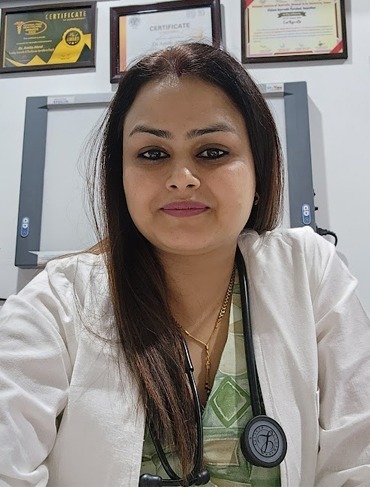
Personally supervised by Dr. Amita Abrol
Gold Medalist BAMS · MS Gynaecology & Obstetrics · 14+ years experience
Key takeaways
- Panchakarma is a supervised medical cleanse. For psoriasis, Virechana (therapeutic purging) is the main therapy.
- A full Virechana course takes about 14 to 21 days: preparation, medicated ghee, massage and steam, purging day, recovery diet.
- Takradhara (medicated buttermilk dhara) helps scalp psoriasis, stress and sleep.
- Evidence so far comes from case reports and small studies. Follow-up medicines and diet keep the gains.
- October to mid-November is the classical season for Virechana, before winter flares begin.
In This Article
- What Is Panchakarma, and Why Is It Used for Psoriasis?
- Which Panchakarma Therapies Are Used for Psoriasis?
- Virechana for Psoriasis: Step by Step
- Takradhara for Scalp Psoriasis and Stress
- What Results Can You Expect?
- When Is the Best Time for Panchakarma?
- Who Should Not Have Panchakarma?
- Is Panchakarma Safe?
- Panchakarma for Psoriasis: Myths vs Facts
- Planning Panchakarma From Abroad
- What This Looks Like in Practice
- More in This Psoriasis Series
- About the Author
- Find Out If Panchakarma Is Right for Your Psoriasis
- References
By Dr. Amita Abrol, BAMS (Gold Medalist), MS · Ayurvedic Physician, Amritsar · Last updated: 14 October 2026
Quick answer: Panchakarma for psoriasis is a supervised Ayurvedic cleanse, most often Virechana (therapeutic purging), sometimes with Takradhara (medicated buttermilk poured on the head) for scalp and stress. A full course takes about 14 to 21 days. It is followed by medicines and diet, and it suits moderate, long-standing psoriasis better than mild or very active flares.
What Is Panchakarma, and Why Is It Used for Psoriasis?
Panchakarma means “five actions”: a set of Ayurvedic cleansing therapies. In psoriasis, it is used to remove deep-seated toxins (Ama) and excess doshas that medicines alone may not clear. It is followed by internal medicines (Shamana) to keep the skin stable.
Ayurveda has two main kinds of treatment:
- Shodhana (cleansing): removes the excess doshas from the body. Panchakarma is Shodhana.
- Shamana (calming): balances the doshas with medicines, diet and routine.
For skin disease, the Charaka Samhita gives cleansing great importance. It advises repeated cleansing for long-standing Kushta: emesis every 15 days, purging every month, nasal therapy every 3 days and bloodletting every 6 months. Today we adapt this to the patient. Most people need one well-planned course, then a yearly repeat if advised.
Which Panchakarma Therapies Are Used for Psoriasis?
The main therapies for psoriasis are Virechana (purging), Vamana (emesis) for heavy Kapha types, Raktamokshana (bloodletting, often with leeches) for thick, stubborn patches, and Takradhara for scalp psoriasis and stress. A doctor chooses based on your body type, strength and how active the psoriasis is.
| Therapy | What it is | Best suited for |
|---|---|---|
| Virechana | Herbal purging after ghee preparation | Most plaque psoriasis, especially with heat, redness and itching |
| Vamana | Therapeutic emesis | Thick, heavy, Kapha-type plaques in strong patients |
| Raktamokshana | Small, controlled bloodletting, often with leeches | A few thick, stubborn patches |
| Takradhara | Medicated buttermilk poured on the forehead and scalp | Scalp psoriasis, stress, poor sleep |
| Abhyanga and Lepa | Medicated oils and herbal pastes on the skin | Dryness and scaling, alongside the main therapy |
Virechana for Psoriasis: Step by Step
Virechana has four stages: preparing digestion (3–5 days), taking increasing doses of medicated ghee (3–7 days), oil massage and steam (1–3 days), then one purging day, followed by 5–7 days of special diet. The full course usually takes 14 to 21 days.
1. Preparing Digestion (Deepana–Pachana)
For 3 to 5 days, you take herbs that improve digestion and clear toxins, with light food. This makes sure the body can handle the ghee in the next step.
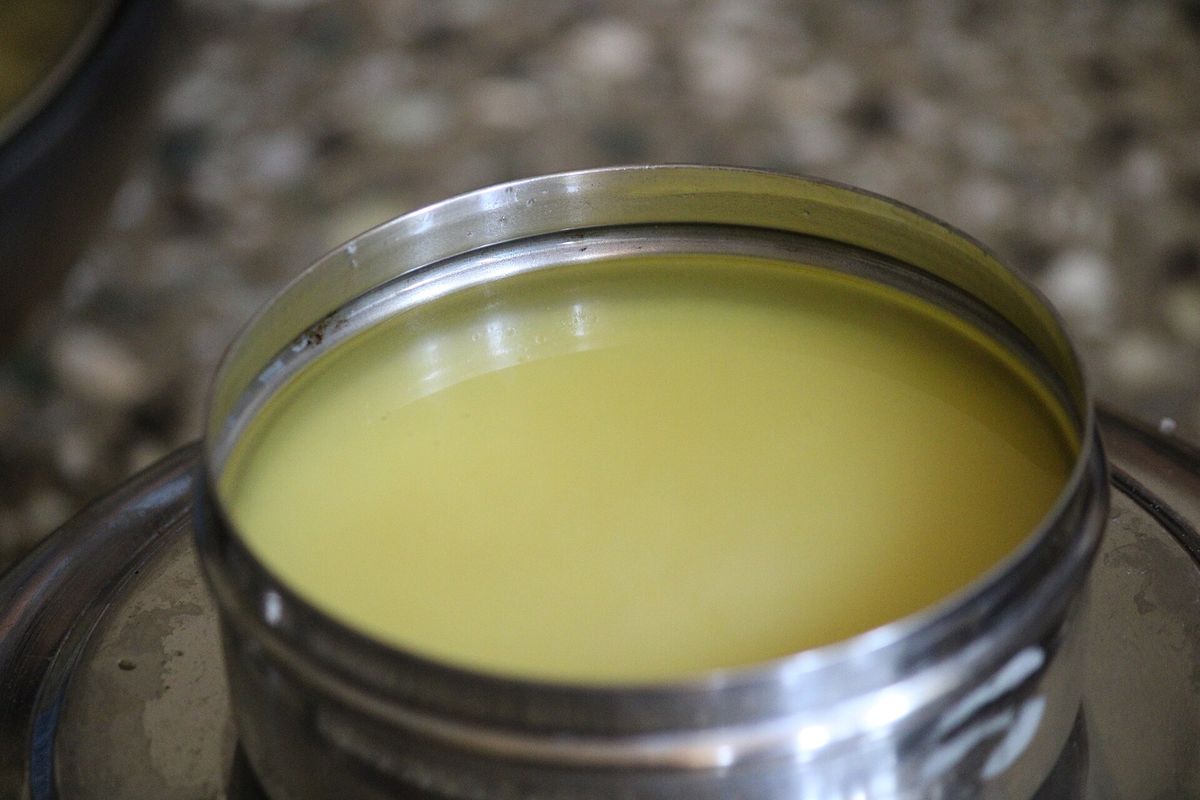
2. Medicated Ghee (Snehapana)
Each morning you drink a small dose of medicated ghee, often a bitter herbal ghee for skin. The dose rises daily, for 3 to 7 days, until the doctor sees signs that the body is fully oiled from inside, such as soft stools and oily skin.
3. Oil Massage and Steam (Abhyanga and Swedana)
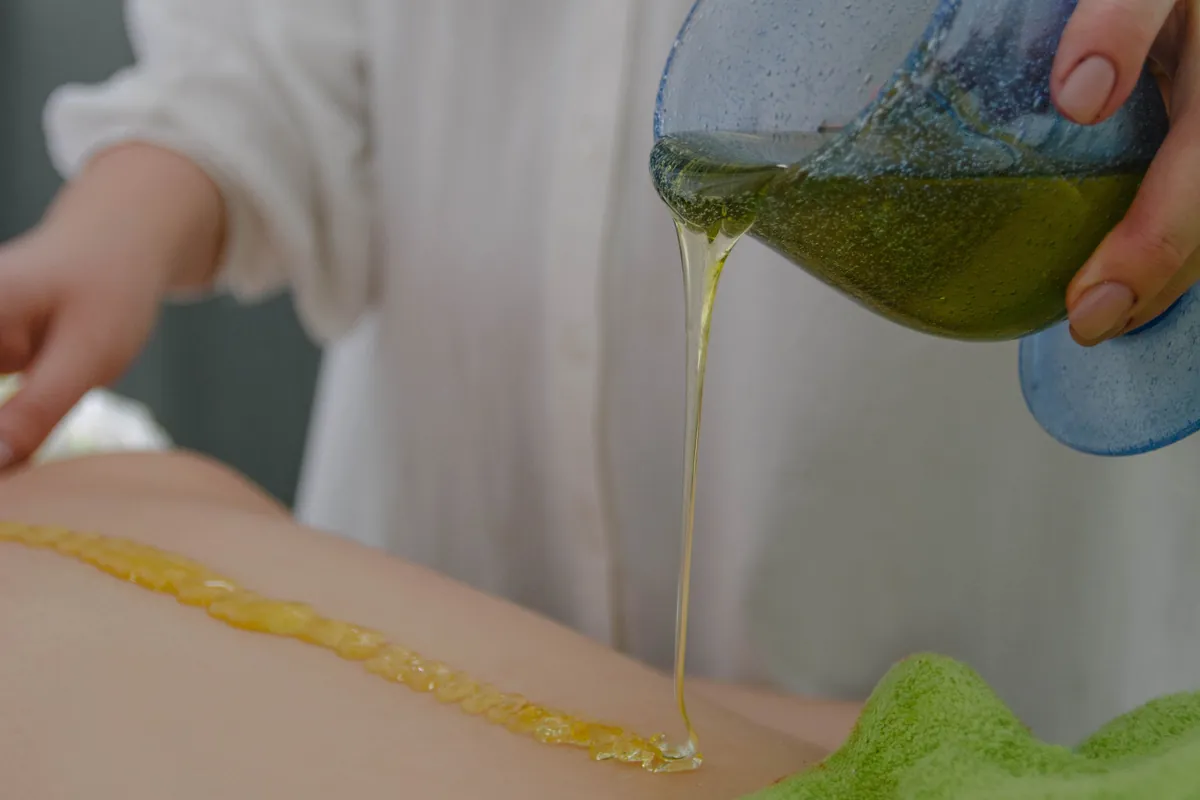
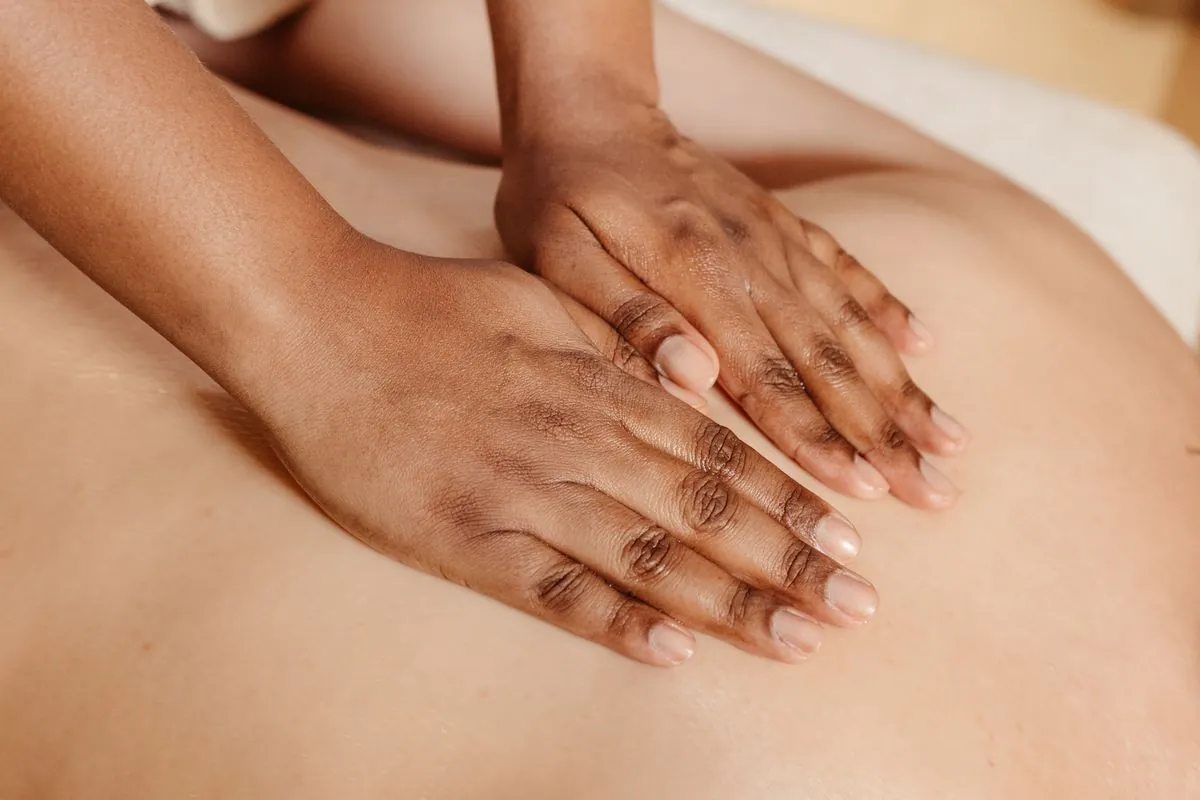
For 1 to 3 days, you receive full-body Abhyanga and herbal steam (Swedana). This loosens the doshas and moves them towards the gut.
4. Virechana Day and Recovery Diet
On the main day, you take a herbal purgative in the morning and pass several loose motions over a few hours, under watch. Then comes Samsarjana Krama: 5 to 7 days of rice water, thin khichdi and then normal light food, so digestion recovers slowly.
| Days (approx.) | Stage | What happens |
|---|---|---|
| 1–4 | Deepana–Pachana | Digestive herbs, light food |
| 5–11 | Snehapana | Rising doses of medicated ghee each morning |
| 12–13 | Abhyanga and Swedana | Oil massage and steam, rest |
| 14 | Virechana | Supervised purging day |
| 15–21 | Samsarjana Krama | Step-by-step diet back to normal food |
Takradhara for Scalp Psoriasis and Stress
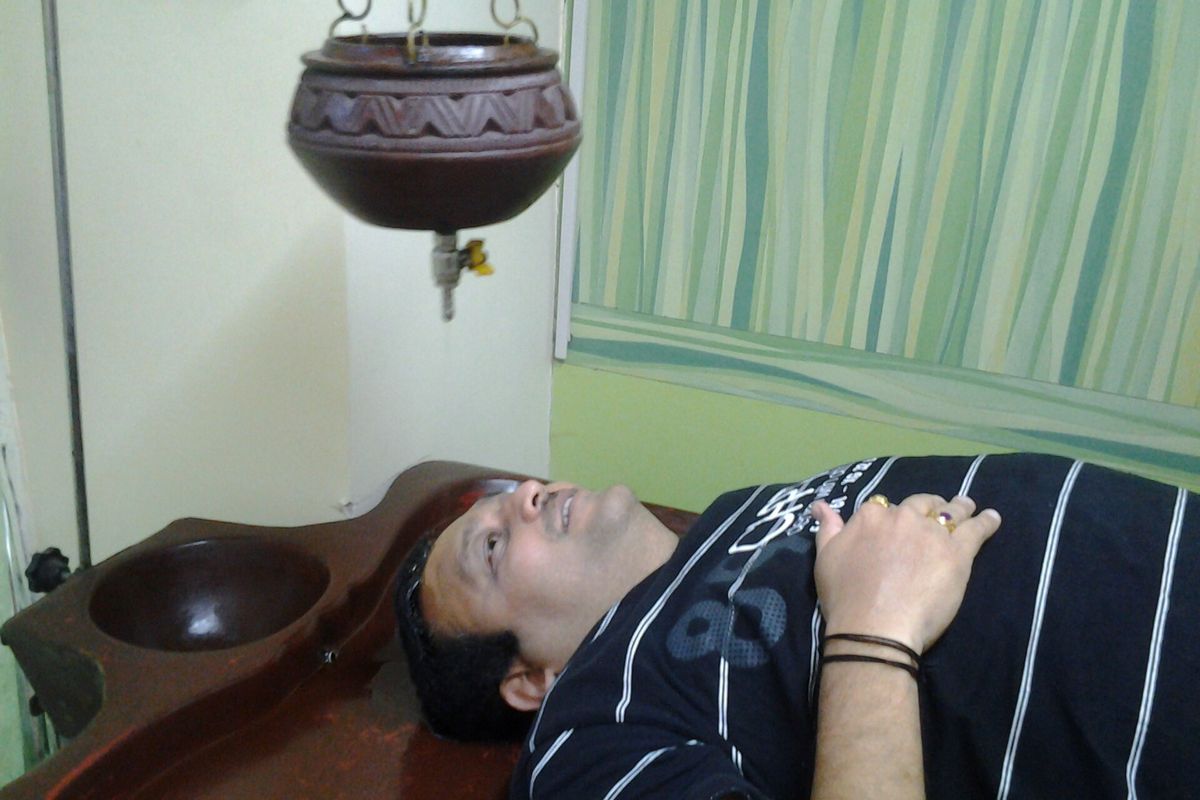
Takradhara pours lukewarm medicated buttermilk in a steady stream over the forehead for 30 to 45 minutes a day, usually for 7 to 14 days. It is used for scalp psoriasis, itching, stress and poor sleep, which often go together in psoriasis.
It is similar to Shirodhara, but uses buttermilk boiled with herbs such as amla and musta. It cools the scalp and calms the mind, and it is often given alongside Virechana or on its own when cleansing is not suitable.

What Results Can You Expect?
Most people notice less itching and scaling within a few weeks of Panchakarma, with fuller change over 2 to 3 months as medicines and diet continue. The research is still early: case reports and small studies show improvement, but large controlled trials are missing.
Here is what the published reports show:
- A small case series of 5 patients in Sri Lanka (2025) found improvement in psoriasis scores (PASI) in all patients one month after Virechana.
- A published case of Virechana with herbal medicines showed a clear fall in PASI and a drop in the skin quality-of-life score from 13 to 5.
- The authors of these reports call for larger, controlled trials, and we agree.
In practice, we judge success by fewer flares, smaller patches, less itching and longer clear periods, not by a promise that psoriasis will never return. Psoriasis is a long-term condition, so follow-up care matters.
| Panchakarma + medicines | Ayurvedic medicines alone | |
|---|---|---|
| Goal | Remove deep toxins, then stabilise | Calm the doshas gradually |
| Time needed | 14–21 days at the centre, then home care | Daily medicines at home for months |
| Best for | Moderate, long-standing, recurring psoriasis | Mild psoriasis, or people not fit for cleansing |
| Can it start online? | Assessment online, therapy in person | Yes, fully online with medicines posted |
When Is the Best Time for Panchakarma?
For psoriasis, the classical best time for Virechana is Sharad Ritu, roughly mid-September to mid-November. Ayurveda says Pitta naturally builds up in this season, and clearing it before winter can mean milder winter flares.
That makes October and early November a good window to plan a course. You can read more about why skin worsens in the cold in our winter psoriasis guide, and what to eat after Panchakarma in our psoriasis diet guide.
Who Should Not Have Panchakarma?
Panchakarma is not suitable during pregnancy, an active infection or fever, a severe whole-body (erythrodermic) or pustular flare, or for people who are very weak, frail or have uncontrolled heart disease or diabetes. Your doctor checks this before starting.
- Pregnancy and the early months after delivery
- Fever, infection or a very active, spreading flare
- Erythrodermic or pustular psoriasis, which needs hospital care first
- Very weak, elderly or underweight patients
- Uncontrolled diabetes, heart or kidney disease
- On methotrexate, biologics or other immune medicines: possible only with your dermatologist in the loop
Is Panchakarma Safe?
Panchakarma is safe when a qualified doctor plans and supervises it in a proper centre. Expected effects include tiredness, nausea during the ghee days and weakness on the purging day. Doing it at home or from online kits without supervision can cause dehydration and is not advised.
Panchakarma for Psoriasis: Myths vs Facts
The most common myth is that Panchakarma is a spa detox. It is a medical procedure with preparation, a main therapy and a recovery diet, and it must be supervised by a doctor.
| Myth | Fact |
|---|---|
| “Panchakarma is just a massage package.” | Massage is one step. The core is a supervised cleanse such as Virechana. |
| “One course and psoriasis is gone for life.” | It can bring long clear periods, but follow-up medicines and diet are needed. |
| “Everyone with psoriasis needs it.” | Mild psoriasis often does well with medicines and diet alone. |
| “You can do Virechana at home from a kit.” | Unsupervised purging can cause dehydration. It needs a doctor. |
| “You must stop all skin creams.” | Never stop prescribed treatment without your dermatologist. |
Planning Panchakarma From Abroad
If you live outside India, start with an online consultation. The doctor checks whether you are suitable, starts preparatory medicines at home and plans a 14 to 21-day stay. Many NRI families combine this with a winter visit to Punjab.
See our Panchakarma packages for overseas patients and our Panchakarma centre in Amritsar.
What This Looks Like in Practice
A composite example, typical of what we see. Details changed for privacy.
A 46-year-old man from Birmingham, UK, had plaque psoriasis on his legs and back for 12 years, with a bad flare every winter. After an online consultation, he started digestive herbs at home, then flew to Amritsar in October for a 21-day course of Virechana with Takradhara for his scalp.
By the end of the stay, the itching had settled and the scales were thinner. He continued medicines and a diet plan from home. That winter, his flare was smaller and shorter than in previous years. Results vary, and follow-up is what keeps the gains.
More in This Psoriasis Series
- Part 1: Why psoriasis gets worse in winter
- Part 3: Panchakarma for psoriasis: Virechana and Takradhara (you are here)
- Treatment overview: Ayurvedic care for psoriasis
About the Author
Dr. Amita Abrol is an Ayurvedic physician and Panchakarma specialist in Amritsar, Punjab. She holds a BAMS (Gold Medalist) and an MS in Gynaecology & Obstetrics (Stree Prasuti Tantra). She treats long-term skin conditions such as psoriasis, eczema and lichen planus with internal medicines, diet plans and Panchakarma, and sees patients from India and abroad through online consultations.
Find Out If Panchakarma Is Right for Your Psoriasis
Not everyone needs Panchakarma, and the right therapy matters. In a video consultation, Dr. Abrol reviews your psoriasis, health and current medicines, tells you whether Panchakarma suits you, and plans the timing, therapies and stay.
We work alongside your dermatologist and never ask you to stop prescribed treatment on your own. Patients join us from India, Canada, the UK, Australia, the USA and the Gulf.
October and November are the classical season for Virechana. Book early if you want to finish before winter.
References
- Charaka Samhita, Chikitsa Sthana, Chapter 7 (Kushta Chikitsa), verses on repeated Shodhana.
- Effect of Trivrut Danthyadi Virechana on Kitibha Kushta (psoriasis): a case series — University of Colombo, 2025.
- Ayurvedic management of Kitibha Kushta (psoriasis) with Nitya Virechana: a case report — Journal of Clinical and Diagnostic Research.
- Ford AR et al. Dietary Recommendations for Adults With Psoriasis or Psoriatic Arthritis — JAMA Dermatology, 2018.
- Ashtanga Hridaya, Sutra Sthana, Chapter 18 (Vamana-Virechana Vidhi).
Images: “Ayurveda Tips 05” by Lifecareayurveda, CC BY-SA 4.0; “Pure Ghee-Homemade-Maharashtra” by Phadke09, CC BY-SA 4.0; “Neem leaves 01” by Shreesha Sharma, CC BY-SA 4.0; buttermilk photo from Pexels, Pexels License. Wikimedia Commons images cropped.
Medical disclaimer: This article is for education and does not replace an individual consultation. Never stop or change prescribed medicine without speaking to your doctor. If you notice any of the warning signs above, seek medical care promptly.
Have questions about your own symptoms?
Every case is different. Book a consultation with Dr. Abrol for a treatment plan personalised to your Prakriti and health history.
In This Article
- What Is Panchakarma, and Why Is It Used for Psoriasis?
- Which Panchakarma Therapies Are Used for Psoriasis?
- Virechana for Psoriasis: Step by Step
- Takradhara for Scalp Psoriasis and Stress
- What Results Can You Expect?
- When Is the Best Time for Panchakarma?
- Who Should Not Have Panchakarma?
- Is Panchakarma Safe?
- Panchakarma for Psoriasis: Myths vs Facts
- Planning Panchakarma From Abroad
- What This Looks Like in Practice
- More in This Psoriasis Series
- About the Author
- Find Out If Panchakarma Is Right for Your Psoriasis
- References
Book a Consultation
Get a personalised Ayurvedic treatment plan from Dr. Abrol - in clinic or online.
Dr. Amita Abrol
Gold Medalist BAMS, MS Gynaecology
Common Questions
Frequently Asked Questions
A full Virechana course usually takes 14 to 21 days, including preparation, medicated ghee, massage and steam, the purging day and the recovery diet. Takradhara alone usually runs for 7 to 14 days.
Yes, when a qualified Ayurvedic doctor plans and supervises it in a proper centre. Expected effects include tiredness, nausea during the ghee days and weakness on the purging day. Unsupervised cleansing at home is not safe.
Common effects are loose motions on the purging day, tiredness, mild cramps and nausea while taking ghee. Too much purging can cause dehydration, which is why it is done under watch with fluids and a recovery diet.
Ayurveda names Sharad Ritu, roughly mid-September to mid-November, as the classical season for Virechana. Doing it then can help reduce winter flares. Spring is another common window.
Possibly, but only with your dermatologist involved. Never stop these medicines on your own. Your Ayurvedic doctor and dermatologist should agree on the plan and timing.
No treatment can promise that psoriasis will never return, because it is a long-term condition. Panchakarma aims for fewer, milder flares and longer clear periods, supported by medicines, diet and a yearly review.
You can start with an online consultation and preparatory medicines at home. The main therapies, such as Virechana and Takradhara, need an in-person stay of about 2 to 3 weeks at a Panchakarma centre.
Continue Exploring
Related Treatments & Conditions
Keep Reading
More on Panchakarma & Detox
Ready to Start Your Ayurvedic Healing Journey?
Book a clinic visit or online consultation with Dr. Abrol, based on what you've just read.