Panchakarma & Detox
Best Time for Panchakarma: A Season by Season Guide for Punjab
Is there a best season for Panchakarma? Dr. Amita Abrol explains the Ayurvedic seasons in Punjab, which cleanse suits spring, monsoon and autumn, what is possible in winter and summer, and how overseas patients can plan a trip around them.
- Published November 11, 2026
- 9 minutes read
- Medically reviewed
- By Dr. Amita Abrol

Personally supervised by Dr. Amita Abrol
Gold Medalist BAMS · MS Gynaecology & Obstetrics · 14+ years experience
Key takeaways
- Each main cleanse has a classical season: Vamana in spring, Basti in the monsoon, Virechana in early autumn.
- In Punjab that means about March to May, July to September and mid-September to mid-November.
- Peak summer and the coldest winter weeks suit milder or strengthening therapies instead.
- If your problem needs help now, the plan is adjusted to the season; you do not always have to wait.
- Overseas patients often combine Panchakarma with a visit in October to November or February to March.
- Preparation starts at home a week before, whatever the season.
- Never stop your regular medicines to fit Panchakarma into a holiday.
In This Article
- When Is the Best Time for Panchakarma?
- The Six Ayurvedic Seasons in Punjab
- Can You Do Panchakarma in Winter?
- Is Monsoon a Good Time for Panchakarma?
- Panchakarma in Summer: What to Avoid
- Best Season by Problem
- Planning Panchakarma From Abroad
- Best Time for Panchakarma: Myths vs Facts
- A Typical Seasonal Plan We Make
- Plan Your Panchakarma for the Right Season
- About the Author
- References
By Dr. Amita Abrol, BAMS (Gold Medalist), MS · Ayurvedic Physician & Panchakarma Specialist, Amritsar · Medically reviewed · Last updated: 17 November 2026
How this article was prepared: Written by Dr. Amita Abrol from how we plan Panchakarma through the year at our Amritsar clinic, including for patients who fly in from abroad, and checked against the seasonal chapters of the Charaka Samhita. Research figures link to their sources below. Season months are given for Punjab and North India. Author credentials: Dr. Amita Abrol.
Quick answer: The best time for Panchakarma depends on the treatment. In Punjab, Vamana suits spring (about March to May), Basti suits the monsoon (about July to September) and Virechana suits early autumn (mid-September to mid-November). Peak summer and the coldest winter weeks suit milder therapies. If your problem is bad now, the plan can be adjusted.
When Is the Best Time for Panchakarma?
The best time for Panchakarma is the season that matches the main cleanse you need: spring for Vamana, the monsoon for Basti and early autumn for Virechana. These moderate seasons are when each dosha is ready to be cleared.
Ayurveda watches how the doshas build up and spill over through the year. The Charaka Samhita (Sutra Sthana, chapter 7, verse 46) puts it simply. Clear the Kapha that gathers in winter during spring. Clear the Vata that gathers in summer during the rains. Clear the Pitta that gathers in the rains during autumn. Panchakarma treatment works with this rhythm rather than against it.
The texts also prefer moderate weather for strong cleanses (Siddhi Sthana, chapter 6). Very hot, very cold or very wet days strain the body. In our clinic, the calendar is a guide, not a rule. Your problem, your strength and your plans all matter too.
Why the season matters, in plain words
Think of a pot on a slow fire. In winter, Kapha thickens like ghee in the cold. In spring, the sun warms it and it starts to melt and flow. That is the moment to clear it. In the same way, summer dries the body and Vata builds. The first rains set it loose. Then the rains warm into autumn and Pitta, the heat, rises. Clearing each dosha when it is already moving takes less force. Less force means an easier cleanse.
The Six Ayurvedic Seasons in Punjab
Ayurveda divides the year into six seasons of about two months each, and each one suits different therapies. The table gives the usual months for Punjab and North India.
| Season (Ritu) | About when in Punjab | What usually suits |
|---|---|---|
| Shishira (late winter) | Mid-January to mid-March | Oil massage, steam, strengthening; plan spring Vamana |
| Vasant (spring) | Mid-March to mid-May | Vamana for Kapha problems |
| Grishma (summer) | Mid-May to mid-July | Cooling therapies; strong cleanses avoided |
| Varsha (monsoon) | Mid-July to mid-September | Basti courses for Vata problems |
| Sharad (early autumn) | Mid-September to mid-November | Virechana for Pitta problems |
| Hemant (early winter) | Mid-November to mid-January | Oil massage, Basti, building strength |
Weather does not read the calendar, so the doctor adjusts by a few weeks each year. A late monsoon or an early spring shifts the timing. Your own body also gives signs. Heaviness, a blocked nose and sleepiness in March point to Kapha. Acidity, rashes and anger in October point to Pitta. Dry skin, gas and aching joints in the rains point to Vata. A review in the journal AYU describes these seasonal routines (Ritucharya) as practical preventive care for lifestyle problems (Thakkar and colleagues, 2011).
Can You Do Panchakarma in Winter?
Yes, you can do Panchakarma in winter, but it usually focuses on oil massage, steam, Basti and strengthening rather than strong purging or vomiting. Digestion is at its strongest in winter, which suits nourishing care.
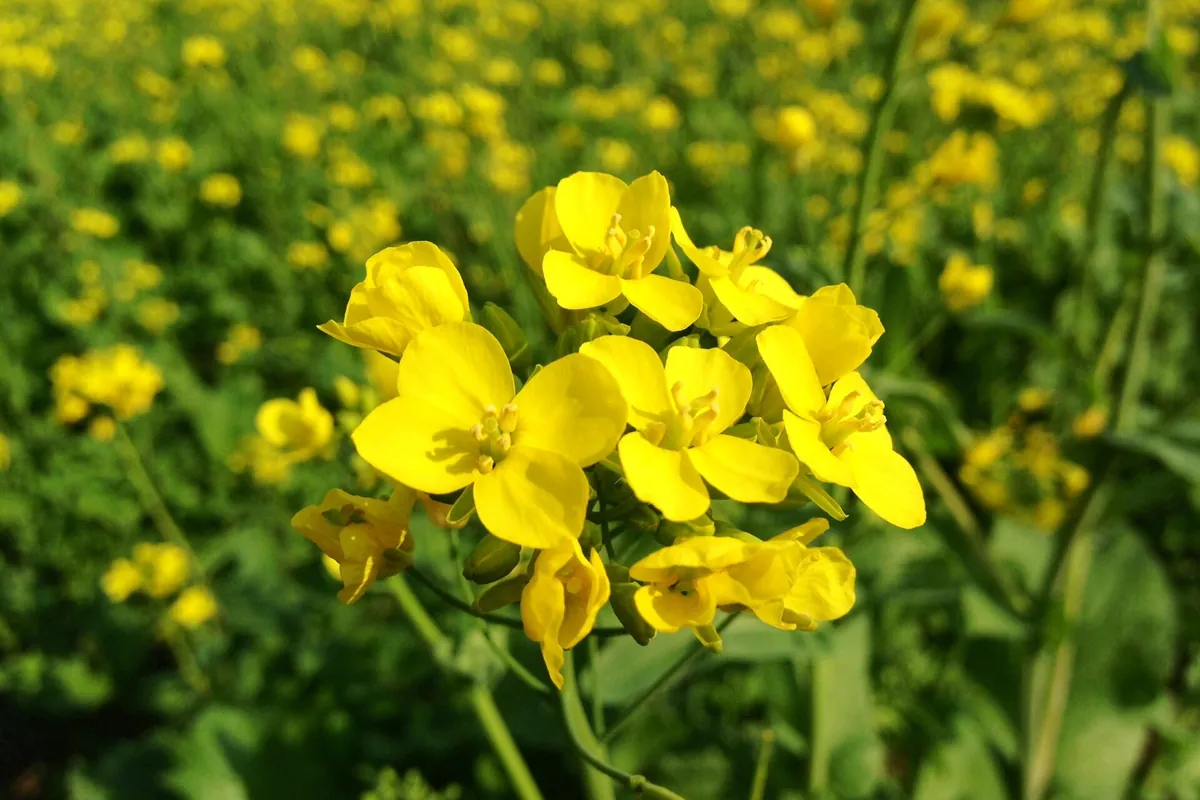
In Punjab, December and January bring fog, cold mornings and stiff joints. This is a good time for Basti courses, oil massage and herbal steam for back and knee pain. Strong cleanses are often planned for late February or March instead, once the cold eases. Our winter routine in Ayurveda covers the daily habits for this season.
Late winter, from mid-January, is a good time to prepare. Kapha is building, and a few weeks of lighter food, less sugar and daily walks make spring Vamana easier. Many patients book their March course in January for this reason. If you only have winter leave, a 7-day course of oil massage, steam and Basti still helps stiffness and dry skin.
Skin problems are a common reason to come in winter. Psoriasis and eczema often flare in the cold. In one study of Google searches from 2004 to 2018, interest in psoriasis peaked in late winter and early spring in the UK, Canada, Ireland, Australia and New Zealand (Kardes, 2019). Read why psoriasis gets worse in winter for the reasons.
Is Monsoon a Good Time for Panchakarma?
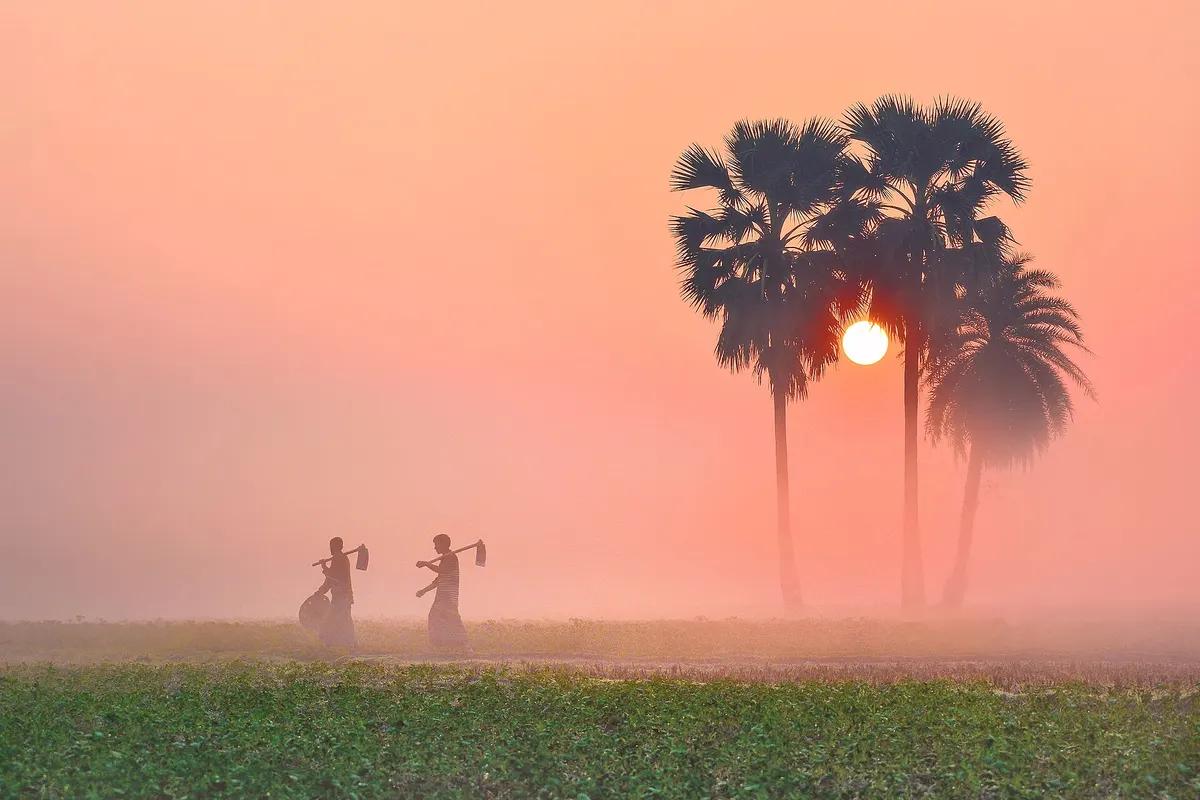
The monsoon is the classical season for Basti, the medicated enema course used for pain, stiffness, constipation and other Vata problems. It is less suited to Vamana and needs care with diet.
Vata rises in the damp, changeable weather of the rains. Joint pain, back pain and gas often get worse. That is why Kerala centres are famous for monsoon treatments, and why we plan many Basti courses from July to September. Digestion is weaker in the rains, so food stays light and freshly cooked, and we watch for colds and loose stools.
The first heavy rains of July are the start of the Basti season in Punjab. A Basti course runs for 8 or 16 days. Oil enemas and herbal decoction enemas alternate, with massage and steam each day. Most people can keep working light hours. It is the gentlest of the main cleanses day to day.
Breathing problems also change with the weather. In a study across 13 hospitals in Bangalore, daily asthma admissions averaged about 5 and showed clear seasonal change. Temperature, rainfall and air pollution all played a part (Kunikullaya and colleagues, 2017). For mucus-type chest problems, Ayurveda prefers to plan Vamana in spring, after the rains and the winter.
Panchakarma in Summer: What to Avoid
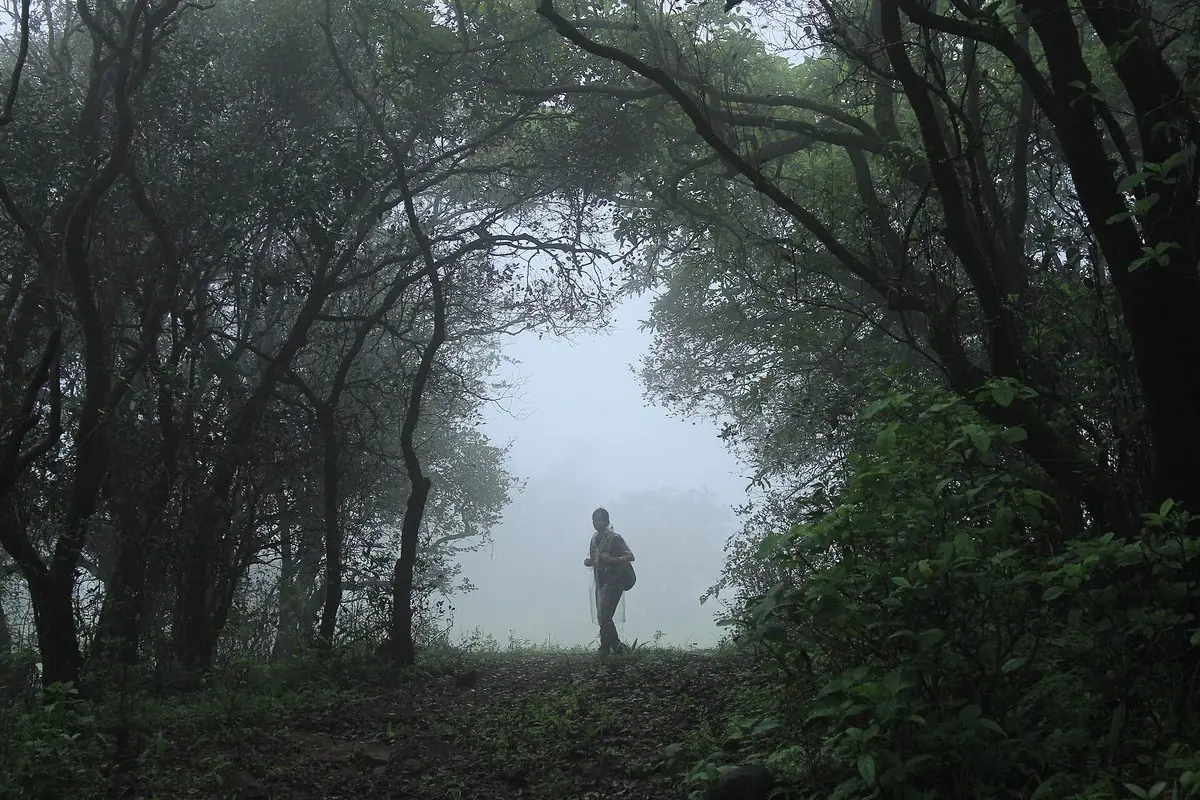
In peak summer, from about mid-May to mid-July in Punjab, strong cleanses such as Vamana and Virechana are usually avoided. Heat already drains fluid and strength, and purging adds to it.
Summer suits cooling and calming care. Shirodhara, gentle oil massage with cooling oils, cooling herbs and a light diet are common choices. If you can only travel in summer, keep the course short, choose a cool room and drink enough water. Tell the doctor if you feel dizzy after steam, which is common in the heat.
Punjab summers are harsh. Afternoon heat often crosses 40 degrees in June. Patients who come then feel tired faster, sweat more in steam and need more fluids. Morning sessions, cooling oils and a rest in the afternoon help. Many people prefer to wait for the rains for a Basti course, or for autumn for Virechana. That choice is often the wiser one, and the result is usually better.
Best Season by Problem
The best season also depends on your problem: skin and acidity often suit autumn Virechana, chest and sinus problems suit spring Vamana, and pain suits monsoon Basti. The table is a starting point.
| Problem | Usual main cleanse | Season usually chosen |
|---|---|---|
| Psoriasis, eczema, acne | Virechana | Mid-September to mid-November |
| Acidity, heat, mouth ulcers | Virechana | Mid-September to mid-November |
| Chronic cough, sinus, asthma tendency | Vamana | March to April |
| Back pain, knee pain, sciatica | Basti | July to September, or winter |
| Preventive yearly cleanse | Depends on body type | The season that matches your dosha |
Spring Vamana has been studied as prevention for Kapha problems. In a study of spring Vamana done in March and April, 89 people registered. Of these, 69 completed the classical treatment without major complications (Bhatted and colleagues, 2011).
For women, the monthly cycle matters as much as the month. The main cleanse is planned for a few days after a period ends. That way the ghee days and the cleanse fall between cycles. Tell the doctor your cycle dates when you book. Pregnancy rules out the main cleanse in any season.
Planning Panchakarma From Abroad
Most overseas patients come between October and March, when Punjab’s weather is pleasant and family visits, weddings and festivals are common. October to mid-November suits Virechana. February and March suit oil therapies and early spring Vamana.
Many NRI families from Canada, the UK and Australia combine a Panchakarma retreat in India with a family visit or a trip to the Golden Temple. Plan it this way:
- Book an online consultation 4 to 8 weeks before you travel.
- Start the preparation diet at home a week before you fly.
- Land at least one day early to rest after the flight.
- Keep the main cleanse day and the day after free of weddings and travel.
- Plan the first week of the recovery diet before you fly back.
Avoid putting a cleanse in the middle of a wedding week. Rich food, late nights and travel undo much of the work, and we see this every November.
What to pack for each season
- October to November: light cotton for the day, a shawl for evenings
- December to February: warm layers, a cap and warm socks for after steam
- March: light layers, as mornings are cool and afternoons warm
- Any season: loose clothes you do not mind getting oily, and all your medicines
Best Time for Panchakarma: Myths vs Facts
The biggest myth is that Panchakarma can only be done in one season. In fact, each treatment has its own best season, and the plan can be adjusted.
| Myth | Fact |
|---|---|
| Panchakarma is only done in the monsoon. | The monsoon suits Basti. Spring suits Vamana and autumn suits Virechana. |
| You must always wait for the right season. | For an active problem, the doctor adjusts the plan to the season. |
| Winter is a bad time for any Panchakarma. | Winter suits oil therapies, Basti and strengthening care. |
| Summer is fine for any cleanse. | Strong cleanses in peak heat can drain fluid and strength. |
| Season is the only thing that matters. | Your problem, strength and medicines matter as much as the month. |
A Typical Seasonal Plan We Make
For many patients, we plan treatment across the year rather than in one visit. Here is a composite example, with details changed for privacy.
A 39-year-old IT manager from Toronto had psoriasis on his elbows and scalp that flared every Canadian winter. He also had a blocked nose most mornings. After an online consultation in August, he came to Amritsar in October for Virechana with Takradhara. That was the classical autumn window, and it matched his Diwali leave.
His skin calmed over the following months with medicines and diet, and the next winter’s flare was smaller. For the nasal congestion, we planned spring Vamana for the following March. Results differ for each person. He kept taking his prescribed creams and tablets throughout. Don’t stop or change your prescribed medicines to fit a season or a trip.
Plan Your Panchakarma for the Right Season
If you are planning Panchakarma, start with a consultation a few weeks ahead. Dr. Amita Abrol will match the treatment to your problem and the season, and help you plan travel and preparation.
Book Online Consultation Visit the Clinic in Amritsar
Clinic: Dr. Abrol Ayurveda & Panchkarma Hospital, Amritsar · Phone / WhatsApp: +91-9878039127
About the Author
Dr. Amita Abrol is an Ayurvedic physician and Panchakarma specialist in Amritsar, Punjab. She holds a BAMS (Gold Medalist) and an MS in Gynaecology & Obstetrics (Stree Prasuti Tantra). She plans Panchakarma through the year for patients in Punjab and for families who fly in from Canada, the UK and Australia. She also sees patients in India and abroad through online consultations.
Experience: 14+ years of supervised Panchakarma practice. Clinic address and phone are listed in the site footer.
References
- Bhatted S, Shukla VD, Thakar A, Bhatt NN. A study on Vasantika Vamana (therapeutic emesis in spring season): a preventive measure for diseases of Kapha origin. AYU, 2011;32(2):181-186.
- Kardes S. Seasonal variation in the internet searches for psoriasis. Archives of Dermatological Research, 2019;311(6):461-467.
- Kunikullaya KU, et al. Meteorological parameters and pollutants on asthma exacerbation in Bangalore, India: an ecological retrospective time-series study. Journal of Basic and Clinical Physiology and Pharmacology, 2017;28(2):133-141.
- Thakkar J, Chaudhari S, Sarkar PK. Ritucharya: answer to the lifestyle disorders. AYU, 2011;32(4):466-471.
- Charaka Samhita, Sutra Sthana, Chapter 7 (Navegandharaniya Adhyaya), verse 46, and Chapter 6 (Tasyashitiya Adhyaya); Siddhi Sthana, Chapter 6.
Images: “Punjabi Mustard Flowers” by Satdeep gill, CC BY-SA 3.0; “Monsoon Maharashtra India Rain Landscape” by Nikhil More, CC BY-SA 4.0; “A foggy winter morning” by Abdul Momin, CC BY-SA 4.0 (Wikimedia Commons, cropped and resized). Used for education; not photographs of patients at this hospital.
Medical disclaimer: This article is for education and does not replace a consultation with your doctor. Do not stop or change prescribed medicine on your own. Chest pain, fainting, vomiting or loose motions that will not stop, blood in vomit or stools, or a high fever needs urgent care at a hospital.
Have questions about your own symptoms?
Every case is different. Book a consultation with Dr. Abrol for a treatment plan personalised to your Prakriti and health history.
In This Article
- When Is the Best Time for Panchakarma?
- The Six Ayurvedic Seasons in Punjab
- Can You Do Panchakarma in Winter?
- Is Monsoon a Good Time for Panchakarma?
- Panchakarma in Summer: What to Avoid
- Best Season by Problem
- Planning Panchakarma From Abroad
- Best Time for Panchakarma: Myths vs Facts
- A Typical Seasonal Plan We Make
- Plan Your Panchakarma for the Right Season
- About the Author
- References
Book a Consultation
Get a personalised Ayurvedic treatment plan from Dr. Abrol - in clinic or online.
Dr. Amita Abrol
Gold Medalist BAMS, MS Gynaecology
Common Questions
Frequently Asked Questions
Yes, with the right choice of therapies. Winter suits oil massage, steam, Basti and strengthening care, because digestion is strong. Strong cleanses such as Vamana are usually kept for spring, and the coldest, foggy weeks are avoided for purging. If your problem flares in winter, the doctor can still plan a suitable course.
The monsoon is the classical season for Basti, the medicated enema course used for pain, stiffness and Vata problems. Kerala is famous for monsoon treatments for this reason. Digestion is weaker in the rains, so food is kept light and the doctor watches for colds and loose stools.
There is no single best month. In Punjab, March and April suit Vamana, July to September suits Basti, and late September to mid-November suits Virechana. October, November, February and March are also pleasant for travel, so many overseas patients choose them.
Not always. Ayurveda advises timing for routine, preventive cleanses. For an active problem, the doctor can start medicines, diet and gentle therapies now, and either adjust the cleanse to the season or plan it for the next suitable window.
Strong cleanses are usually avoided in the peak heat of May and June, because the body loses fluid and tires easily. Cooling, calming therapies such as Shirodhara, gentle oil massage and diet care suit summer. If you must come in summer, keep the course short and stay in a cool room.
Book about 4 to 8 weeks ahead for October to March, which is the busiest period. Start with an online consultation so the doctor can confirm the treatment and dates. Begin the preparation diet at home a week before you fly, and arrive a day early to rest after the flight.
Continue Exploring
Related Treatments & Conditions
Keep Reading
More on Panchakarma & Detox
Ready to Start Your Ayurvedic Healing Journey?
Book a clinic visit or online consultation with Dr. Abrol, based on what you've just read.