Virechana is the Panchakarma cleanse for excess Pitta. Dr. Amita Abrol explains who it suits, what happens each day, the recovery diet, the best season and the cost in Amritsar.
Panchakarma Therapies
Purge day: one morning. Full course: about 2 to 3 weeks
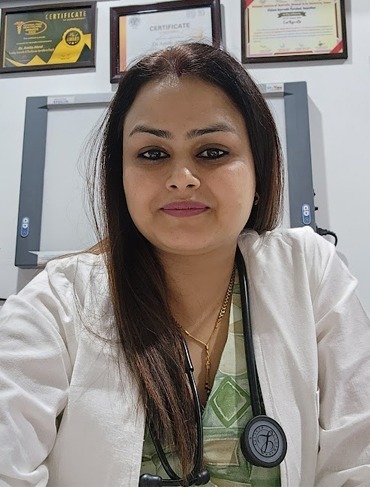
Medically reviewed by Dr. Amita Abrol, BAMS (Gold Medalist), MS (Gynaecology & Obstetrics) ·
Last reviewed
Quick Answer
What is Virechana?
Virechana is a Panchakarma treatment in which a herbal medicine makes you pass several loose motions over one supervised morning. Ayurveda uses it to clear excess Pitta, the dosha of heat and digestion, from the gut and liver. It comes after 1 to 2 weeks of preparation and is followed by 3 to 7 days of a step-by-step diet.
Virechana (also written Virechan) is one of the five main Panchakarma treatments. The word means to purge. A measured dose of herbal laxative is given in the morning. Your bowels then empty several times over the next few hours, while our team keeps an eye on your pulse, blood pressure and fluids.
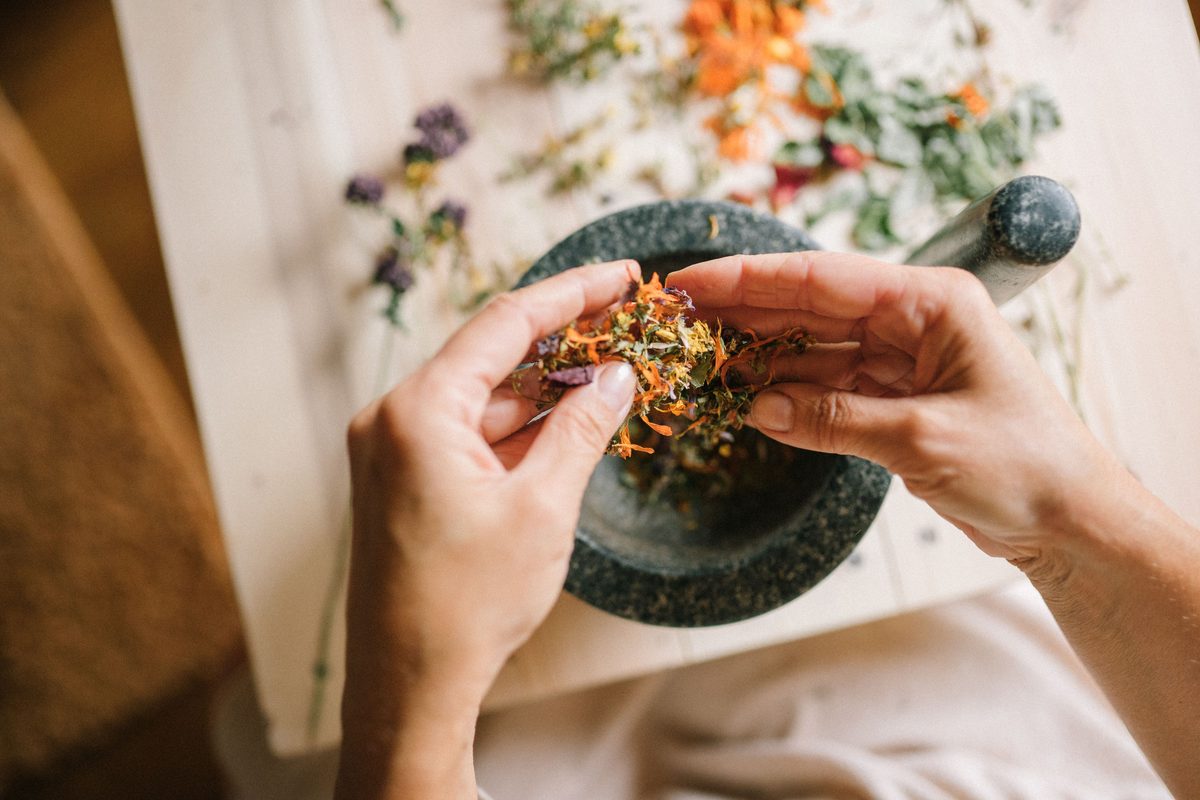
It is not the same as taking a laxative at home. The medicine works because the body has been made ready for it, first with digestive herbs and then with rising doses of medicated ghee, oil massage and steam. This loosens excess Pitta and moves it towards the gut, so the purge can carry it out.
At our clinic on Batala Road, Dr. Amita Abrol plans every Virechana herself. She picks the medicine, the ghee and the dose for your body type (Prakriti), your problem and your strength. We use it most for long-standing skin trouble such as psoriasis and eczema, and for acidity and IBS. Virechana is one part of Panchakarma treatment, so it is often combined with Basti or Takradhara.
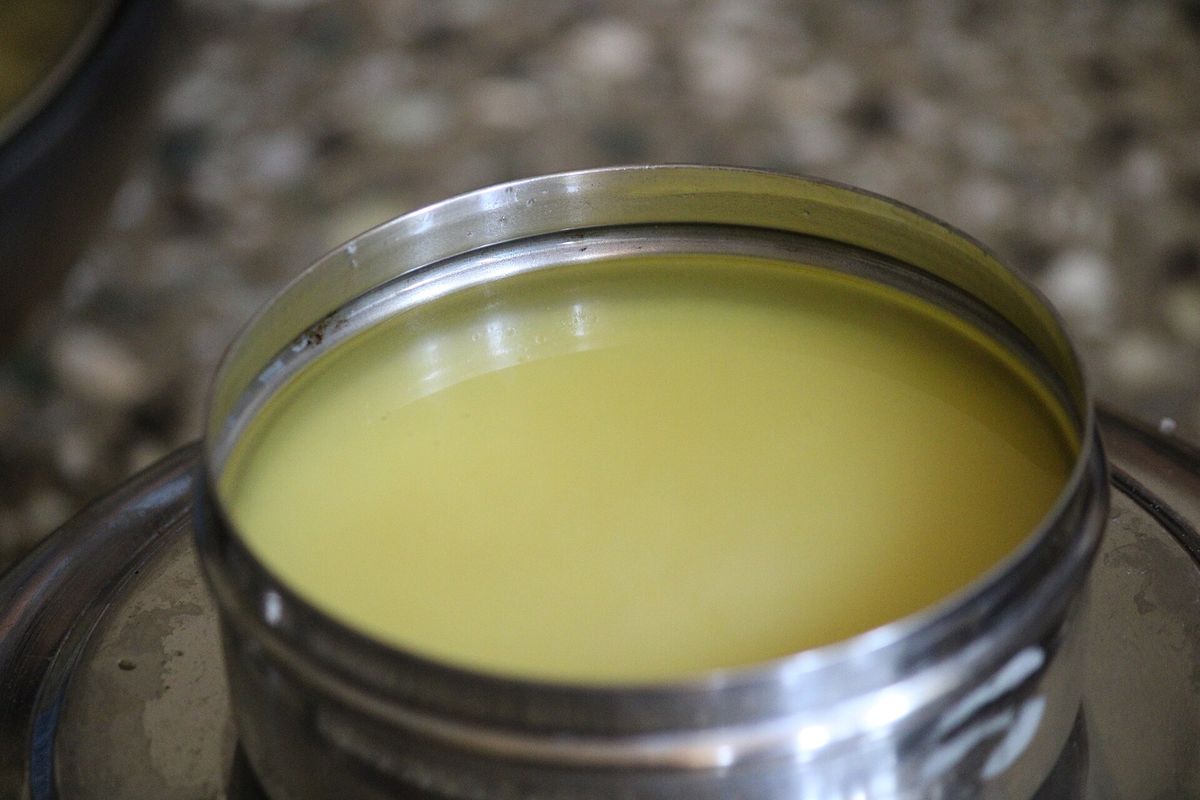
Medicated ghee (Snehapana) is taken in rising doses for 3 to 7 mornings before Virechana. Only a doctor should set the dose.
Key Benefits
Why Virechana?
Clears Excess Pitta
Ayurveda uses Virechana to remove built-up Pitta (heat) from the small intestine, the liver and the blood.
Chosen for Stubborn Skin Problems
Classically planned for psoriasis, eczema, acne and rashes that keep coming back, together with medicines and diet.
Used for Acidity and a Hot Gut
Often planned for long-term acidity, heartburn and loose, burning stools when diet changes alone have not been enough.
Easier Than Vamana for Most
Purging through the bowel is easier to tolerate than therapeutic vomiting, so it suits a wider range of adults.
Is This Right For You?
Who Is This Therapy For?
Long-standing skin problems such as psoriasis, eczema, acne or rashes that keep returning
Acidity, heartburn or a burning stomach that keeps coming back
Fatty or sluggish liver, as part of a wider plan with diet and exercise
High triglycerides, alongside your regular treatment and tests
Pitta-type complaints such as mouth ulcers, burning eyes or feeling hot and irritable
Healthy adults who want a yearly cleanse in early autumn (Sharad Ritu)
How It Works
Your Treatment Journey
1
Consultation and Check-Up
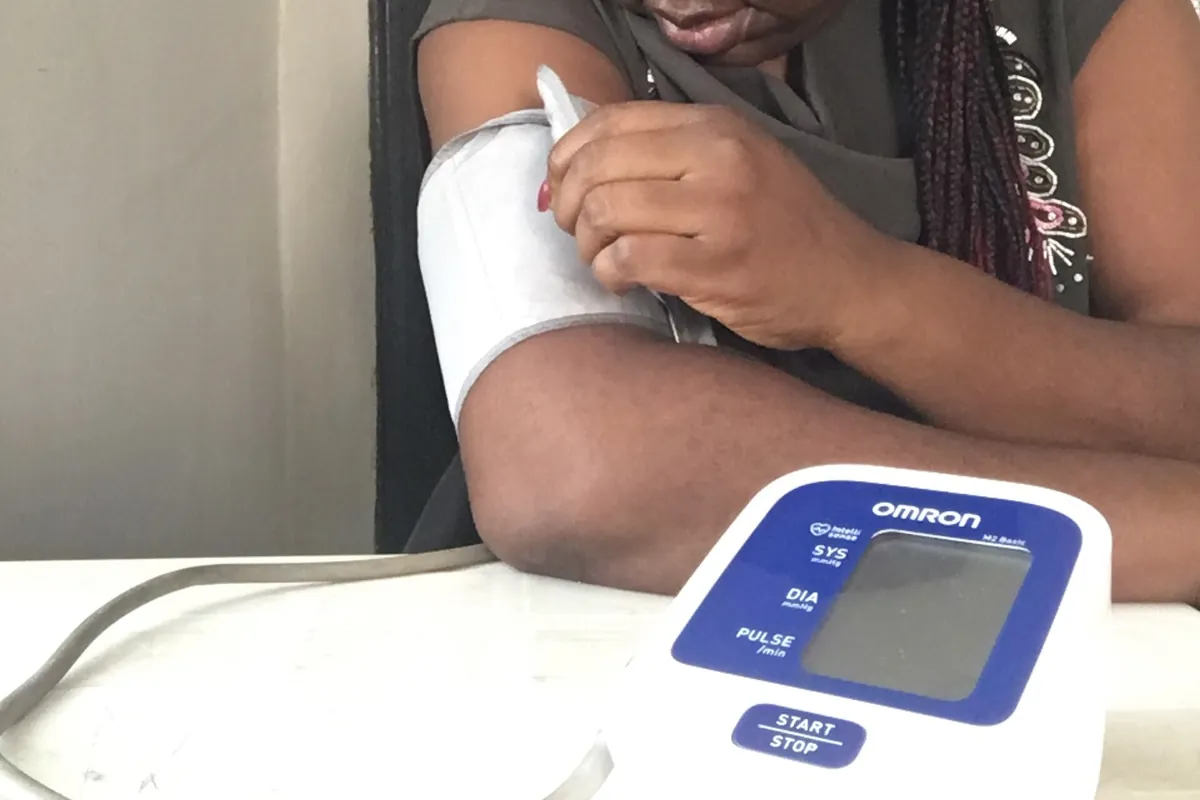
Dr. Abrol reviews your history, reports and medicines, reads your pulse (Nadi Pariksha), checks your blood pressure and decides if Virechana suits you now.
2
Digestive Preparation (3 to 5 days)
Deepana and Pachana: light food and herbs that strengthen digestion, so your body can handle the ghee that comes next.
3
Medicated Ghee, Snehapana (3 to 7 days)
Each morning you drink medicated ghee. The dose goes up daily until the doctor sees the body is oiled from inside, with soft stools and oily skin.
4
Massage, Steam and Rest (1 to 3 days)
Full-body oil massage (Abhyangam) and herbal steam (Swedanam), with light, warm food.
5
The Virechana Day
You take the herbal purgative mid-morning on an empty stomach. Loose motions start within 1 to 3 hours and settle over the next few hours while you rest.
6
Recovery Diet, Samsarjana Krama (3 to 7 days)
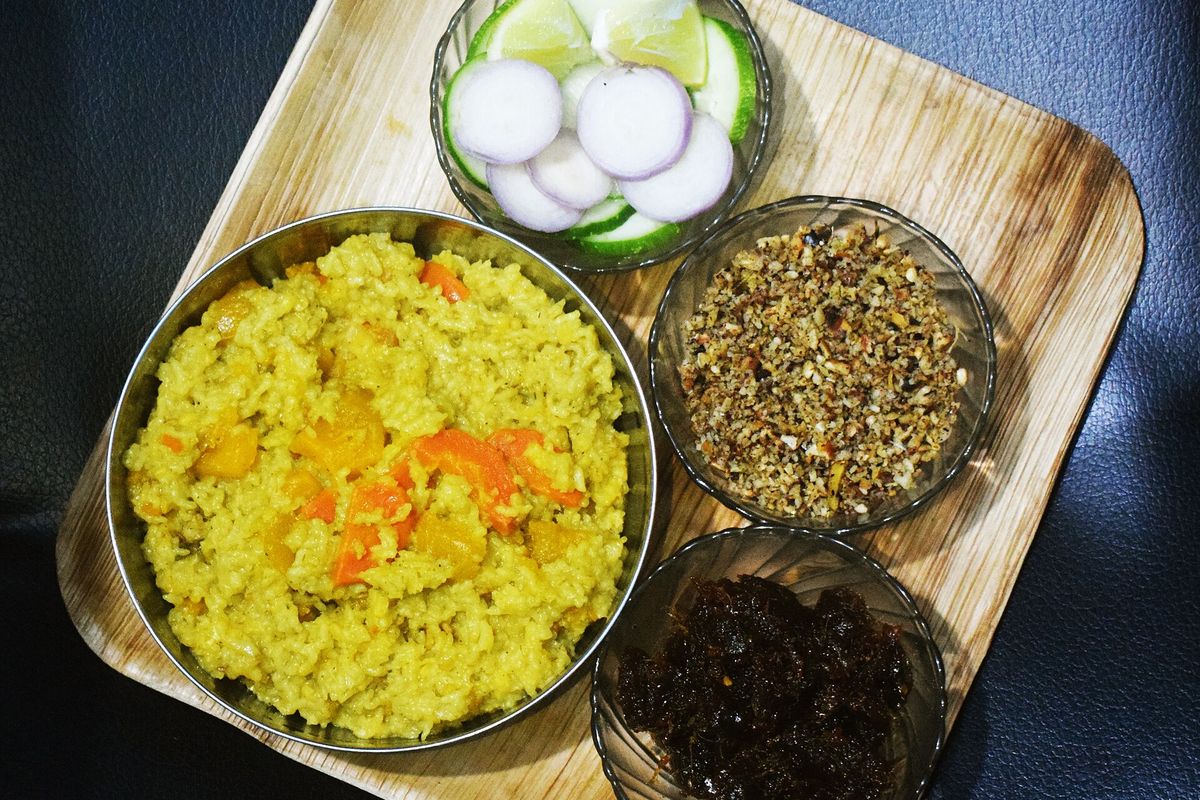
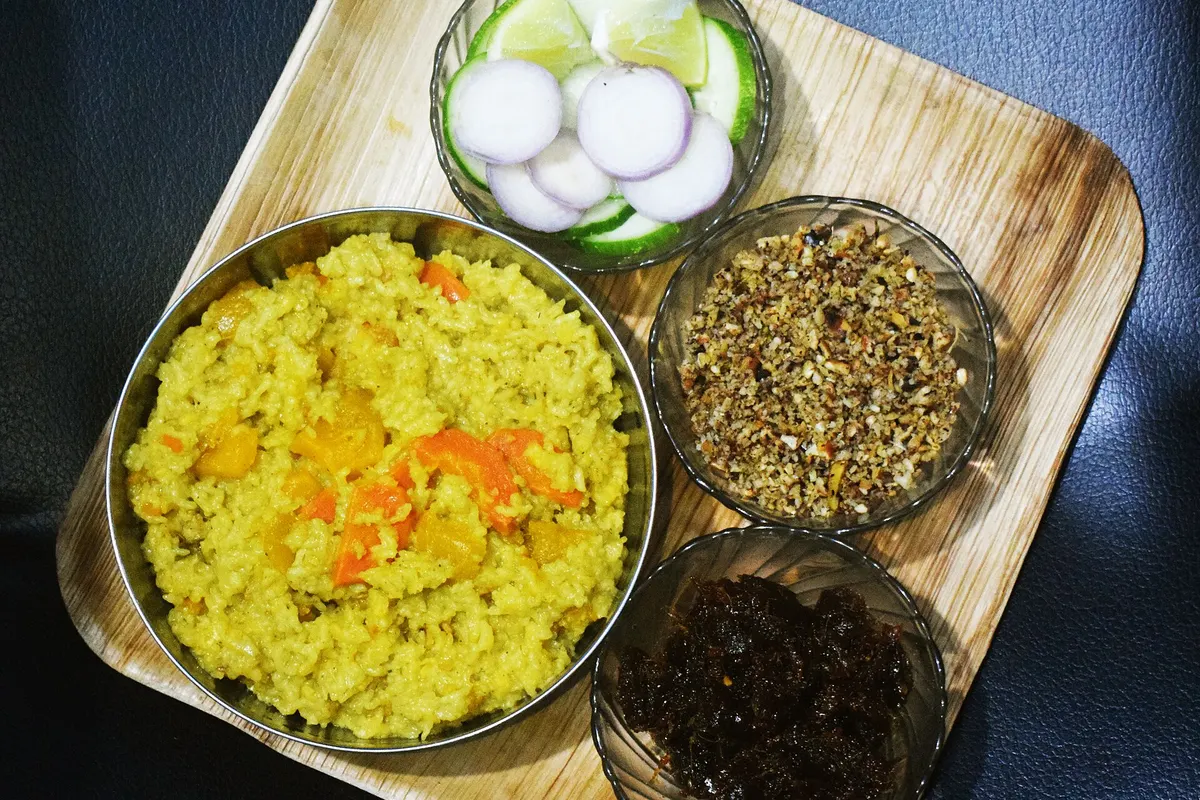
Rice water first, then thin khichdi, then normal light meals as digestion comes back.
The Main Day
What Happens on the Virechana Day?
On the Virechana day, you take the medicine in the morning and spend the day resting while your bowels empty. Classical texts count the motions to judge the cleanse: about 10 for a mild one, 20 for a medium one and 30 for a full one. The doctor aims for the range that suits your body.
Early morning: a short oil massage and steam, then a pulse and blood pressure check.
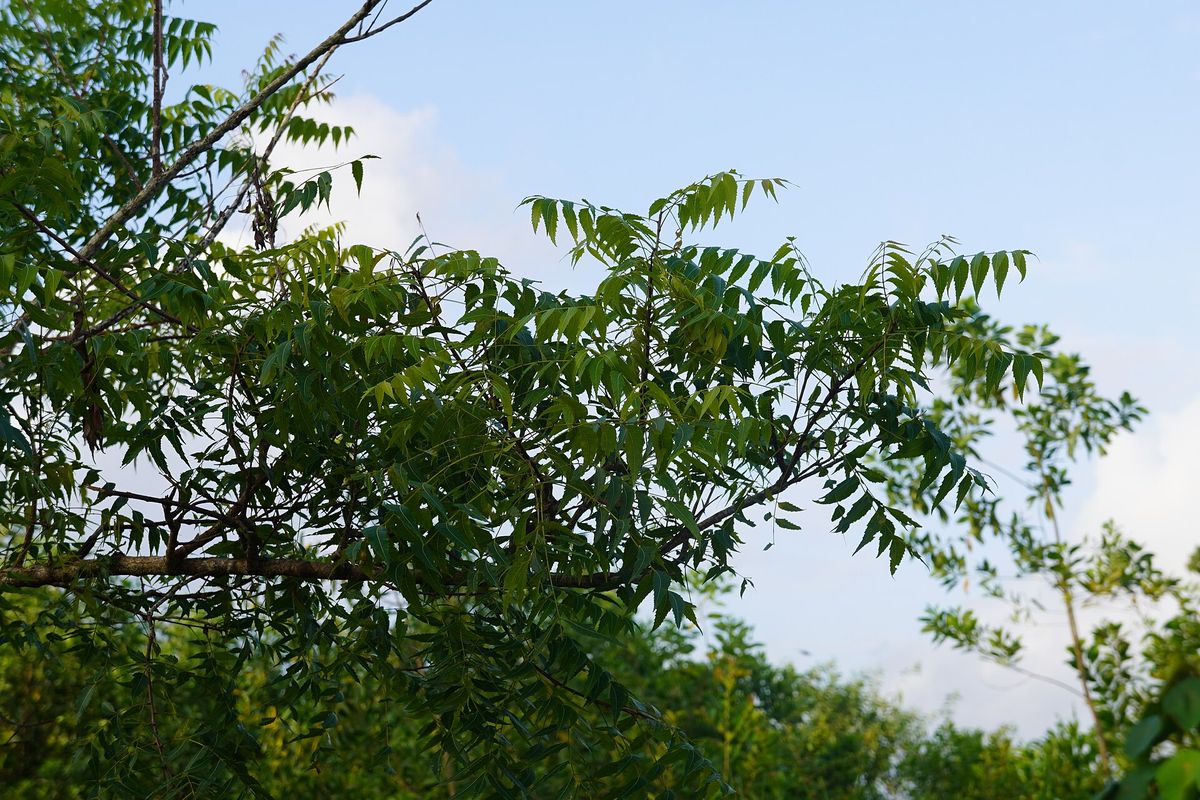
Mid-morning: you swallow the purgative with warm water. Common choices are Trivrit (Operculina turpethum), Aragvadha (Cassia fistula pulp), Triphala or castor oil. The doctor picks one for you.
The next few hours: loose motions begin, then slowly ease. You sip warm water when thirsty. Our staff count the motions and check your pulse.
The end: the motions stop on their own, often with a little mucus at the end. Ayurveda reads this as the sign that the purge is complete.
Evening: a warm bath, then thin rice water (peya) once you feel hungry.
Feeling tired, a bit light-headed or crampy on this day is common. Tell the staff at once if you feel faint, have strong cramps or see blood.
Compare
Virechana, Vamana and Basti: How Do They Differ?
Virechana clears excess Pitta through the bowel, Vamana clears Kapha through the mouth and Basti settles Vata through an enema. Dr. Abrol chooses between them based on your dosha, your problem and your strength.
Point
Virechana
Vamana
Basti
Main dosha
Pitta (heat)
Kapha (heaviness, mucus)
Vata (dryness, pain)
How it works
Loose motions after a herbal laxative
Controlled vomiting after a herbal drink
Herbal oil or decoction given as an enema
Main treatment
One morning
One morning
A course of 8 or 16 days
Best season
Early autumn (Sharad)
Spring (Vasant)
Monsoon (Varsha)
Often used for
Skin problems, acidity, liver
Chronic cough, asthma tendency, some skin problems
The classical season for Virechana is Sharad Ritu, the early autumn, which in Punjab runs from about mid-September to mid-November. Pitta builds up through the hot, humid monsoon, and Ayurveda clears it before winter sets in.
You do not have to wait for autumn if your problem is bad now. Dr. Abrol adjusts the medicine, the ghee and the diet to the time of year. Ayurveda does advise against strong cleanses in the peak heat of May and June, so those weeks are usually skipped.
Aftercare
What to Eat After Virechana
After Virechana, you eat light, warm, freshly cooked food that gets a little heavier each day. This step-by-step diet is called Samsarjana Krama. It lasts 3 to 7 days, depending on how strong the purge was.
Day 1: thin rice water (peya), then a thicker rice gruel.
Days 2 and 3: moong dal soup and soft rice, then thin khichdi.
Day 4 onwards: khichdi with a spoon of ghee, then normal light meals with roti and cooked vegetables.
For at least a week, avoid cold drinks, curd, fried food, alcohol, heavy meat dishes, long hours in the sun and late nights.
Soft khichdi is the bridge between rice water and normal meals in the days after Virechana.
Cost
How Much Does Virechana Cost in Amritsar?
Virechana is priced as part of a Panchakarma course, because the preparation and recovery days are part of the treatment. The cost depends on how many preparation days you need, the medicines and ghee used, any stay at the centre, and which other therapies are added.
Short 1 to 3 day programmes start at ₹7,500. These give supportive therapies, not a full Virechana.
Full courses are listed on the Panchakarma wellness journeys page, for example ₹45,000 for 7 days (18 treatments) and ₹82,000 for 14 days (38 treatments).
Your exact plan and cost are confirmed after the consultation, before you commit to anything.
Evidence
What Does the Research Say About Virechana?
Studies on Virechana are small and mostly from Indian Ayurveda institutes, so the results are promising rather than final. Three are worth knowing:
In 15 patients, blood salt levels (electrolytes) were tested before and after Virechana. The changes stayed inside the normal range, which the authors took as a sign the purge was done safely (Rais and Bhatted, AYU, 2013).
In a trial of 90 adults with high blood fats, split into three groups of 30, Virechana mainly lowered triglycerides. A herbal enema (Lekhana Basti) mainly lowered cholesterol, and the third group took atorvastatin (Pooja and Bhatted, AYU, 2016).
Of 39 people with eczema, 32 finished a course of Virechana followed by herbal medicines and a skin paste. The skin cleared fully in 81.3% of them. An earlier study by the same team, using a milder bowel cleanse, reported 22.6% (Kaur and Chandola, AYU, 2012).
None of these studies was blinded, and all were small. They do not prove that Virechana treats any one disease. We judge your progress by your own symptoms and reports over weeks and months.
Myths vs Facts
Virechana Myths vs Facts
Most worries about Virechana come from mixing it up with a strong laxative or a home detox.
Myth
Fact
Virechana is just a strong laxative.
The purge only works after 1 to 2 weeks of preparation with ghee, massage and steam, and it is followed by a recovery diet.
I can do it at home with a kit.
Purging without supervision can cause dehydration and upset your blood salts. It should only be done under a doctor.
More motions means a better result.
The doctor aims for a set range for your body. Too many motions is a problem, not a bonus.
You stay weak for weeks.
A day or two of tiredness is common. The recovery diet rebuilds strength. Skipping it is what usually causes long weakness.
One Virechana settles psoriasis for good.
It can bring long calm spells, but medicines, diet and follow-up are what keep the gains.
Safety First
Who Should Not Have Virechana?
Virechana is not right for everyone, and some people should wait or have a gentler plan. Tell us before booking if any of these apply to you:
Pregnancy, or the first weeks after delivery
Diarrhoea, fever or an infection right now
Bleeding piles, a fissure, a fistula or a rectal prolapse
Ulcerative colitis or Crohn's disease during a flare
Being very weak, underweight or dehydrated, or very young or very old
Heart or kidney disease, or blood pressure or diabetes that is not under control
Don't stop or change your prescribed medicines to have Virechana. Bring a list of everything you take. Fasting and fluid loss on the purge day can lower blood sugar and blood pressure, so your regular doctor may need to adjust doses.
Get urgent help if you have loose motions that will not stop, fainting, chest pain, blood in your stools or very little urine, during or after the course.
From Our Clinic
A Typical Virechana Case We See
A 38-year-old bank officer from Jalandhar came to us with acid reflux and itchy red patches on her arms. Both had lasted 4 years. Antacids helped for a few hours at a time. (This is a composite of several patients, with details changed for privacy.)
Her pulse and history pointed to excess Pitta. In October, Dr. Abrol planned 4 days of digestive herbs, 5 mornings of medicated ghee and 2 days of massage and steam. On the Virechana day she passed 18 motions and rested at the centre. She followed a 5-day recovery diet at home.
The burning eased within the first month, with diet and medicines. The patches faded slowly over 3 months. She now comes back each autumn for a review. Every patient responds differently, so your plan and timeline will be your own.
Getting Started
How to Book a Virechana Assessment
Starting Virechana takes three steps, and the first one can happen online.
Share your recent reports and the list of medicines you take.
Get your plan: the preparation days, the Virechana date, the recovery diet and the cost.
Your Virechana is planned by Dr. Amita Abrol, BAMS (Gold Medalist), MS in Gynaecology and Obstetrics and a Panchakarma specialist with 14+ years of practice and 65,000+ patients treated. To see Virechana planned for one condition, read Panchakarma for psoriasis, step by step.
References
Charaka Samhita, Siddhi Sthana, chapter 1 (Kalpana Siddhi): preparation, the signs of a complete purge and the recovery diet.
Charaka Samhita, Kalpa Sthana, chapter 7 (Shyama Trivrit Kalpa): Trivrit as the main purgative.
Rais A, Bhatted S. Clinical study to evaluate the effect of Virechanakarma on serum electrolytes. AYU. 2013;34(4):379-382. PubMed
Pooja BA, Bhatted SK. A standard controlled clinical study on Virechana Karma and Lekhana Basti in the management of dyslipidemia (Medoroga). AYU. 2016;37(1):32-37. PubMed
Kaur M, Chandola H. Role of Virechana Karma in cure and prevention of recurrence of Vicharchika (Eczema). AYU. 2012;33(4):505-510. PubMed
Images: herbs in a mortar from Pexels (free licence); "Pure Ghee-Homemade-Maharashtra" by Phadke09 and "Vegetable Khichdi 1" by Dolon Prova, CC BY-SA 4.0, Wikimedia Commons, cropped. Used for education; not photographs of patients at this hospital.
This page is for general information and does not replace a consultation. Virechana should only be done under the care of a qualified Ayurvedic doctor.
Experience Virechana at our clinic
All treatments are performed by certified therapists under Dr. Abrol's expert guidance.
Sessions are personalised to your dosha and health condition.
Virechana is not usually painful. Some people get mild cramps before each motion and feel tired or a little light-headed by the afternoon. The ghee days can bring mild nausea or a poor appetite. The doctor sets the dose to keep these effects small, and our staff check on you through the day.
The purge itself takes one morning. With preparation and recovery, a full Virechana course takes about 2 to 3 weeks: 3 to 5 days of digestive herbs, 3 to 7 days of medicated ghee, 1 to 3 days of massage and steam, the Virechana day, and then 3 to 7 days of recovery diet.
Virechana is done at Dr. Abrol Ayurveda, 47/6 Krishna Square 2, Batala Road, B/s Celebration Mall, Amritsar, Punjab, India. Dr. Amita Abrol plans each course after a consultation. You can book a clinic visit, or start with an online consultation if you live in another city or abroad.
During the preparation days, most people can keep working light hours if the job is not physically hard. Take the Virechana day and the next one or two days off, and rest at home or at the centre. Avoid travel, heavy exercise and late nights until the recovery diet is over.
Often yes, but only after the doctor has seen your medicines and recent reports. Fasting and fluid loss on the purge day can lower blood sugar and blood pressure, so doses may need checking with your regular doctor. Do not stop or change any prescribed medicine on your own.
Virechana is not done during a period. It is usually planned to start a few days after your period ends, so the ghee days and the purge day fall between cycles. Tell the doctor your cycle dates when you book, and the course will be timed around them.
For prevention, healthy adults usually have Virechana once a year in early autumn. For long-standing skin or digestive problems, the doctor may plan two courses in the first year, several months apart. Repeating it more often than advised adds no benefit and can weaken digestion.