Panchakarma & Detox
 Read Article
Panchakarma Side Effects: What Is Normal and Who Should Not Have It
Panchakarma Therapies
Vamana Karma is the Panchakarma cleanse for excess Kapha. Dr. Amita Abrol explains who it suits, how the day goes, how to prepare, the best season and who should avoid it.
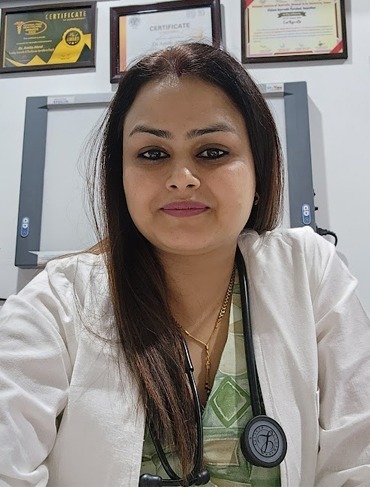
Personally supervised by Dr. Amita Abrol
Gold Medalist BAMS · MS Gynaecology & Obstetrics · 14+ years experience
Medically reviewed by Dr. Amita Abrol, BAMS (Gold Medalist), MS (Gynaecology & Obstetrics) · Last reviewed
Vamana Karma is a Panchakarma treatment in which herbal medicines make you vomit in a controlled way, with the doctor beside you. Ayurveda uses it to clear excess Kapha, the dosha of heaviness and mucus, from the chest and stomach. It follows about 1 to 2 weeks of preparation, and 3 to 7 days of light diet come after it.
Vamana (also written Vaman) is the first of the five main Panchakarma treatments. The word means to vomit. After several days of preparation, you drink milk, sugarcane juice or a liquorice drink until you are full, then a herbal medicine. You vomit a few times over one or two hours while the doctor watches.
Many people feel nervous about it beforehand, and that is normal. In practice the vomiting is planned and short, and the preparation makes it easier. Ayurveda uses Vamana less often than Virechana or Basti, and only for people who are strong enough and clearly need a Kapha cleanse.
At our clinic on Batala Road, Dr. Amita Abrol decides whether Vamana suits you and plans every step herself. It is one part of Panchakarma treatment. If you are not a good fit, she will usually suggest a gentler cleanse such as Virechana. For chronic skin problems, see our psoriasis treatment page.
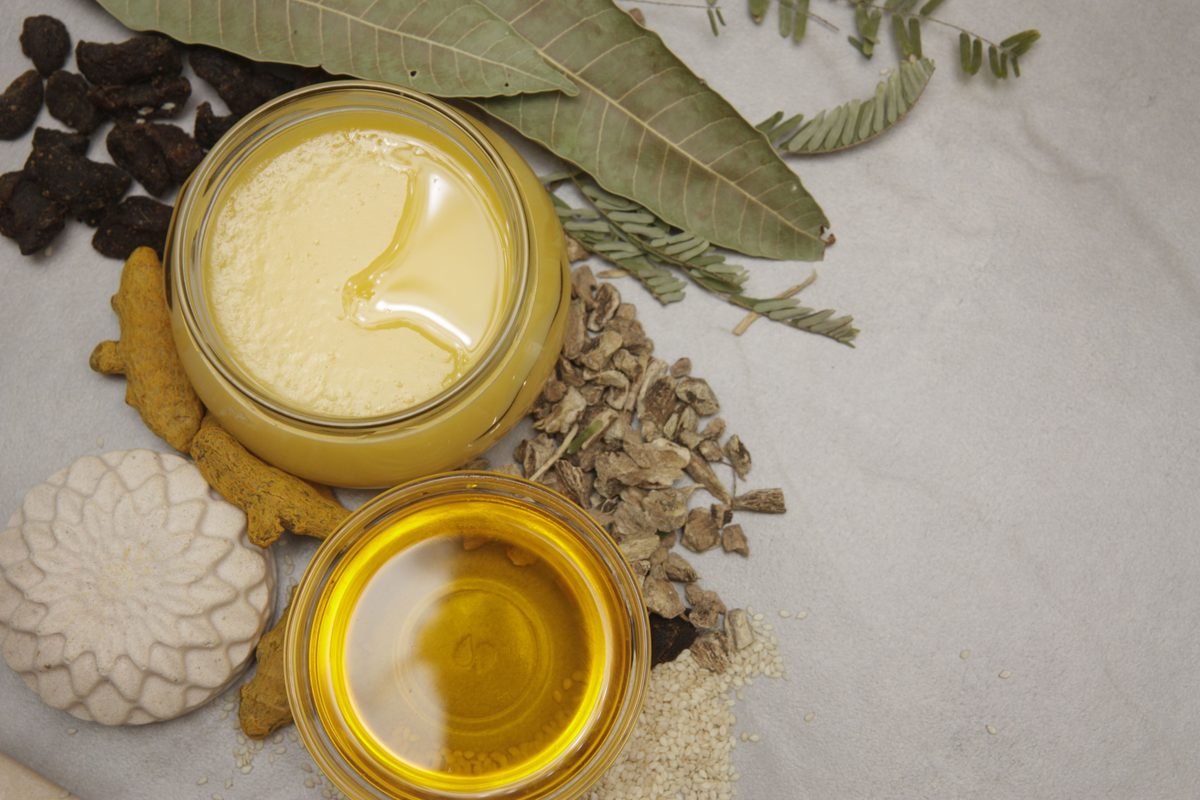
Ayurveda uses Vamana to remove built-up Kapha (mucus and heaviness) from the chest, throat and stomach.
Classically planned for chronic cough and a tendency to asthma with heavy mucus, alongside your regular treatment.
Chosen for thick, itchy or oozing skin problems with a Kapha picture, such as some types of psoriasis and eczema.
Small trials have tested Vamana in prediabetes as one part of a plan with herbs, diet and exercise.
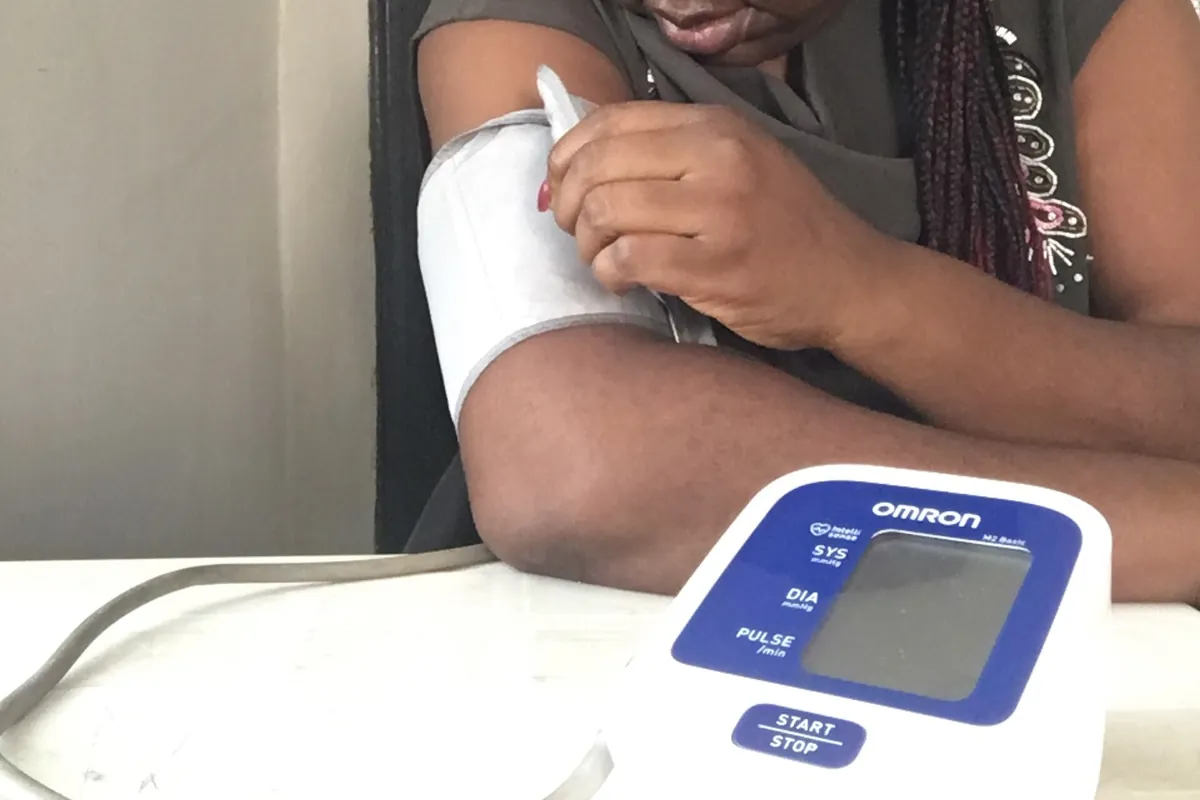
Dr. Abrol reviews your history, reports and medicines, reads your pulse, checks your blood pressure and decides if you are strong enough for Vamana.
Deepana and Pachana: light food and herbs that strengthen digestion before the ghee days.
Rising morning doses of medicated ghee until your body shows it is oiled from inside.
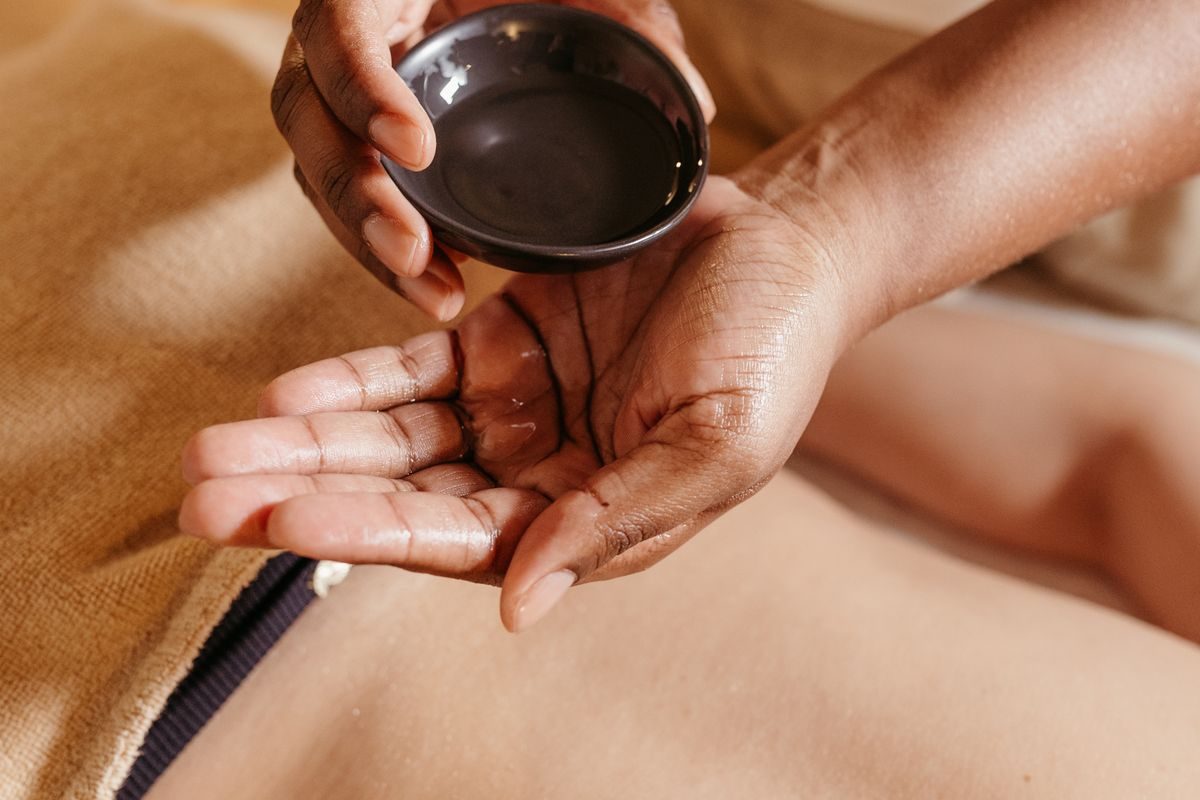
Oil massage and steam, and a Kapha-raising evening meal such as curd rice, milk or urad dal, to bring Kapha up for the next morning.
Early in the morning, after massage and steam, you drink milk or juice until full, then the herbal medicine. Vomiting follows over 1 to 2 hours, under watch.
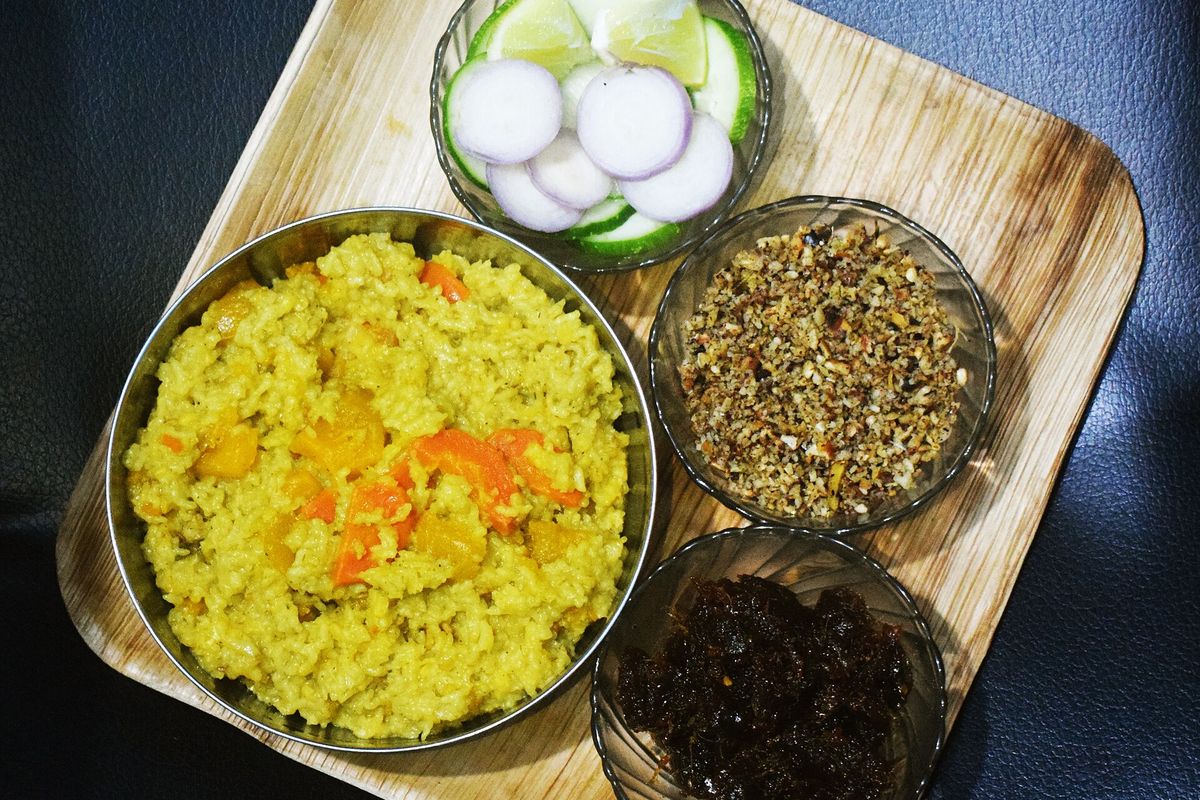
Rice water first, then thin khichdi, then normal light meals.
Vamana is done early in the morning, when Kapha is strongest, and the main part is over in 1 to 2 hours. The doctor stays with you the whole time.
A sore throat, tiredness and a weak, empty feeling for the rest of the day are common. Tell the doctor at once if you feel faint, have chest pain or see blood.
Vamana is chosen when Kapha is the main problem, and Virechana when Pitta is the main problem. People with a mixed picture are often given Virechana, because most people find it easier.
| Point | Vamana | Virechana |
|---|---|---|
| Main dosha | Kapha (heaviness, mucus) | Pitta (heat) |
| How it works | Controlled vomiting | Loose motions |
| Time of day | Early morning | Mid-morning |
| Main part lasts | About 1 to 2 hours | Several hours |
| Best season | Spring, roughly March to May in Punjab | Early autumn, mid-September to mid-November |
| Often used for | Chronic cough, asthma tendency, some skin problems | Skin problems, acidity, liver |
| Who it suits | Strong adults with good stamina | A wider range of adults |
For the bowel cleanse, see the Virechana page. For pain and other Vata problems, Basti is usually the better choice: see the Vasti page.
The classical season for Vamana is Vasant Ritu, the spring, which in Punjab runs from about March to May. Kapha builds up through the cold winter and starts to melt in spring, which is when Ayurveda clears it.
Vamana is rarely done in the peak heat of summer or in very cold weather. If your breathing or skin problem needs help now, the doctor can start other treatment first and plan Vamana for the spring.
Research on Vamana is limited to small studies from Indian Ayurveda institutes. Three give a fair picture:
These trials were small and not blinded. They suggest Vamana can be done carefully and may help as part of a plan. They do not prove it treats any single disease, and they do not replace your diabetes or asthma care.
Most fears about Vamana come from picturing the vomiting of a stomach bug, not a planned treatment.
| Myth | Fact |
|---|---|
| Vamana is like food poisoning. | It is planned, short and supervised. The stomach is filled with milk or juice first, so the vomiting is easier. |
| Anyone can have Vamana. | Only strong adults who clearly need a Kapha cleanse are chosen. Many people are better suited to Virechana or Basti. |
| You can do it at home with salt water. | Home vomiting has none of the preparation or safety checks. It can hurt the food pipe and upset your blood salts. |
| More bouts means a better result. | The doctor aims for a set range. Forcing extra bouts is unsafe. |
| Asthma patients must stop their inhalers. | No. Keep using your prescribed inhalers and medicines. Vamana is planned alongside them. |
Vamana is a strong treatment, so the list of people who should avoid it is longer than for most Panchakarma therapies. Tell us before booking if any of these apply to you:
Don't stop or change your prescribed medicines to have Vamana. If you use an inhaler, bring it and keep using it as prescribed.
Get urgent help if you vomit blood, have chest pain, feel faint or cannot keep fluids down after the Vamana day.
A 29-year-old software engineer from Amritsar had a wet cough and a blocked nose every winter for 6 years, with thick mucus each morning. He took antihistamines most months. (This is a composite of several patients, with details changed for privacy.)
His pulse, build and history pointed to excess Kapha, and he was strong and otherwise healthy. Dr. Abrol planned Vamana for March. After 3 days of digestive herbs and 5 mornings of ghee, he had a rest day with curd rice for dinner. On the Vamana day he vomited 7 times over about an hour and a half, then rested.
He followed a 5-day recovery diet and a daily Nasya routine at home. The next winter he had fewer colds and needed antihistamines less often. Every patient responds differently, so your plan and timeline will be your own.
Finding out if Vamana suits you takes three steps, and the first one can happen online.
Your treatment is planned by Dr. Amita Abrol, BAMS (Gold Medalist), MS in Gynaecology and Obstetrics and a Panchakarma specialist with 14+ years of practice and 65,000+ patients treated. Course prices are on the Panchakarma wellness journeys page.
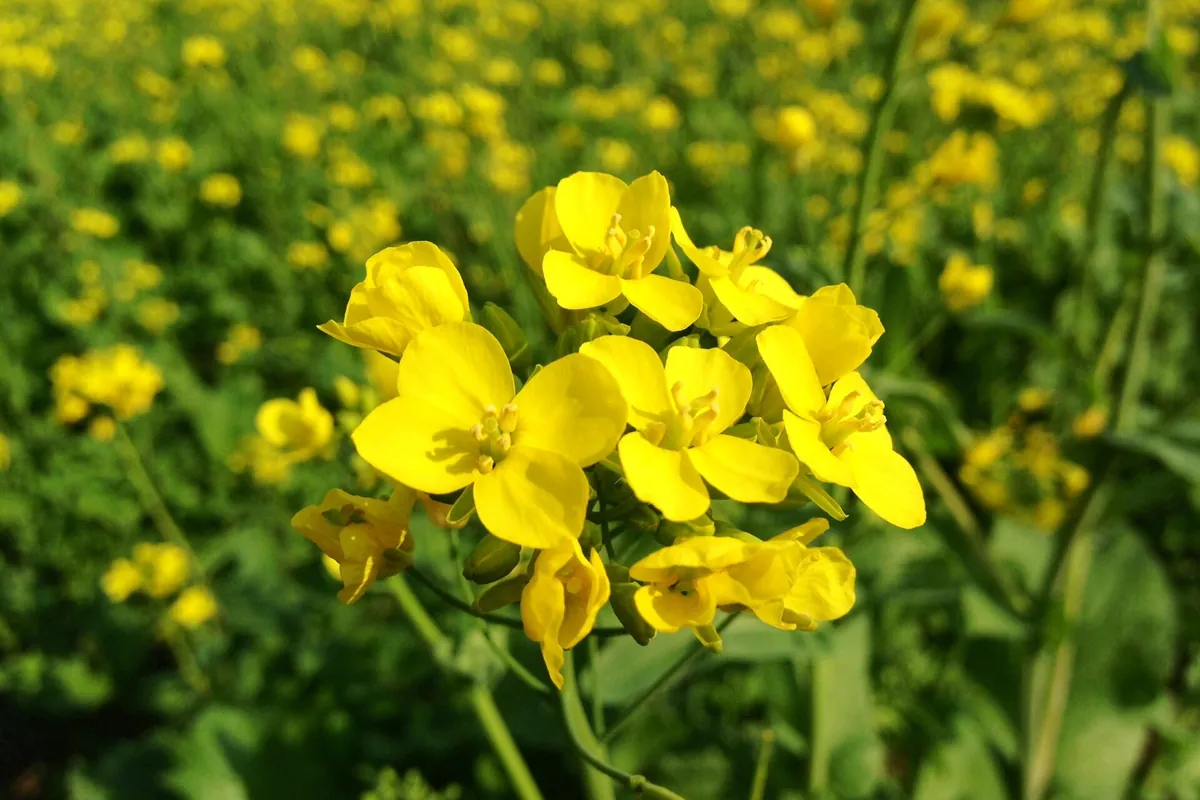
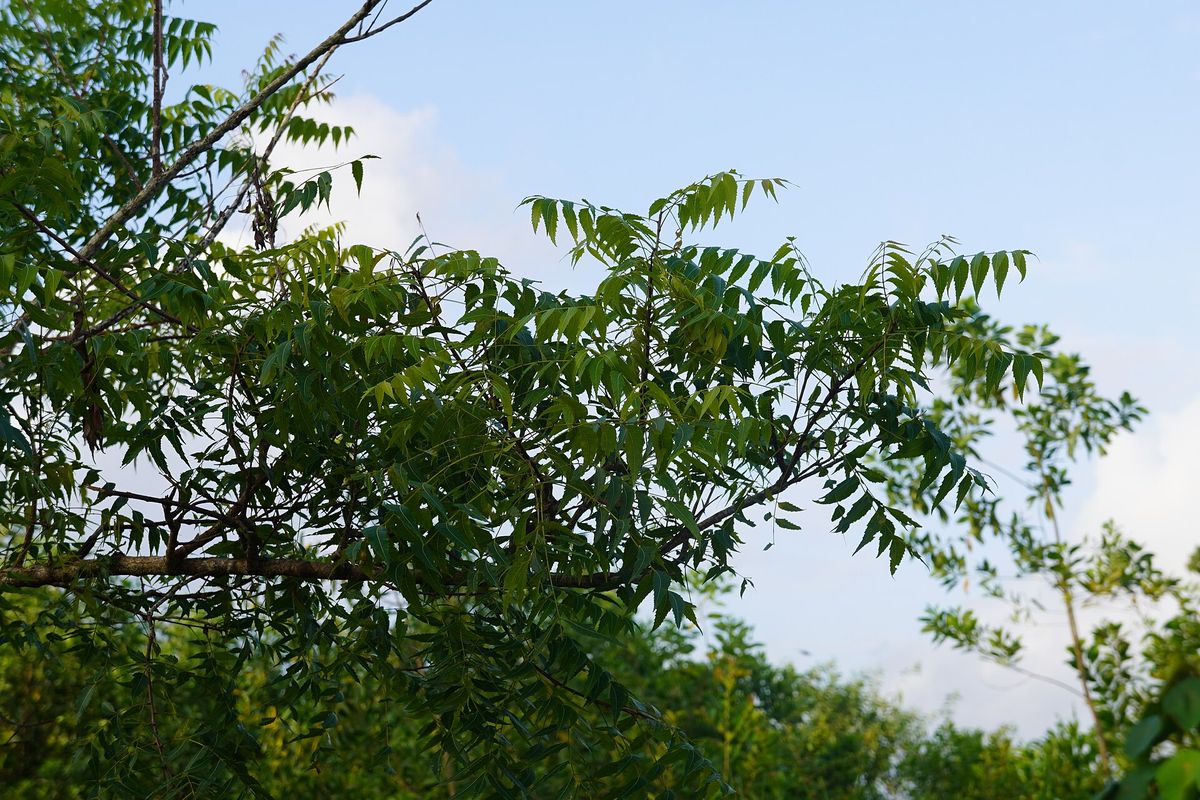
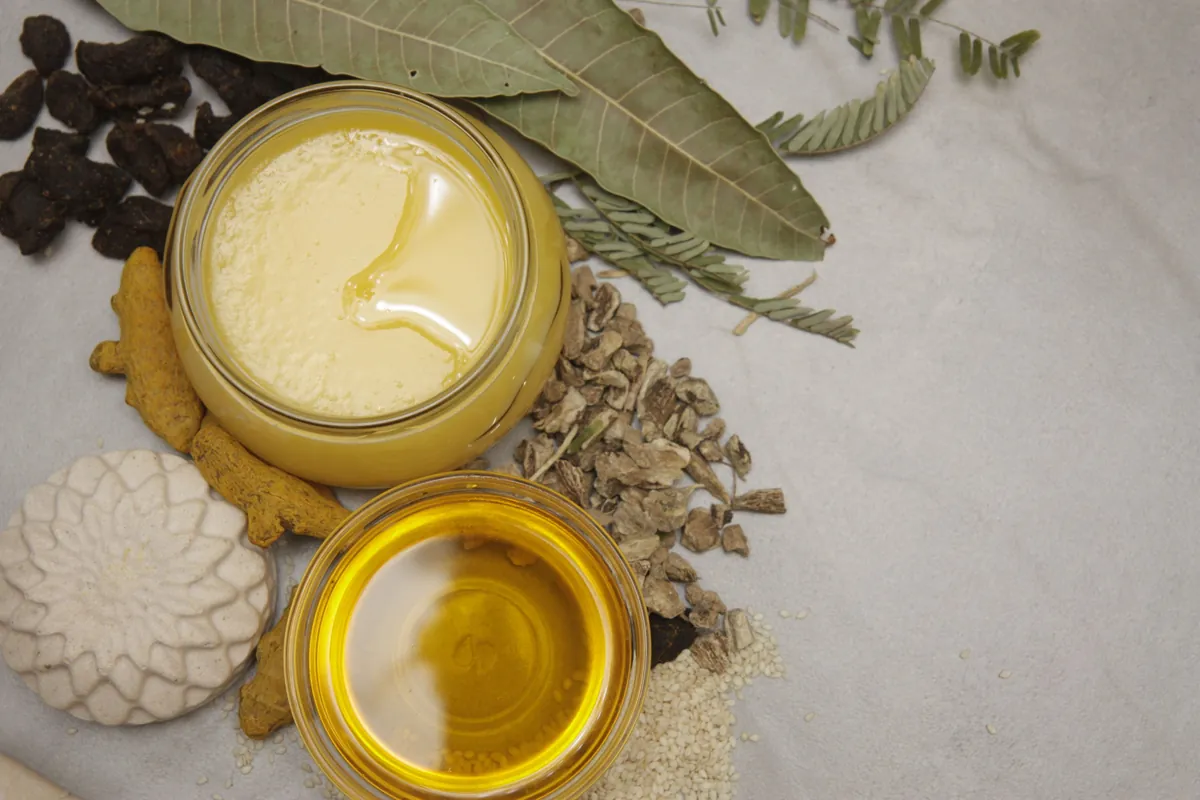
Images: oil massage photo from the Dr. Abrol Ayurveda website image library; ghee and oils from Pexels (free licence); "Vegetable Khichdi 1" by Dolon Prova, CC BY-SA 4.0, Wikimedia Commons, cropped. Used for education; not photographs of patients at this hospital.
This page is for general information and does not replace a consultation. Vamana should only be done under the care of a qualified Ayurvedic doctor.
Experience Vamana at our clinic
All treatments are performed by certified therapists under Dr. Abrol's expert guidance. Sessions are personalised to your dosha and health condition.
Available at our Amritsar clinic - online consultation also available for your treatment plan.
Dr. Amita Abrol
Gold Medalist BAMS, MS Gynaecology
Book your session at our Amritsar clinic or consult Dr. Abrol online from anywhere.