Panchakarma & Detox
Panchakarma Side Effects: What Is Normal and Who Should Not Have It
Most people feel some tiredness, nausea or weakness during Panchakarma, and most of it is expected. Dr. Amita Abrol explains which effects are normal at each stage, which are warning signs, and who should not have Panchakarma at all.
- Published October 8, 2026
- 9 minutes read
- Medically reviewed
- By Dr. Amita Abrol
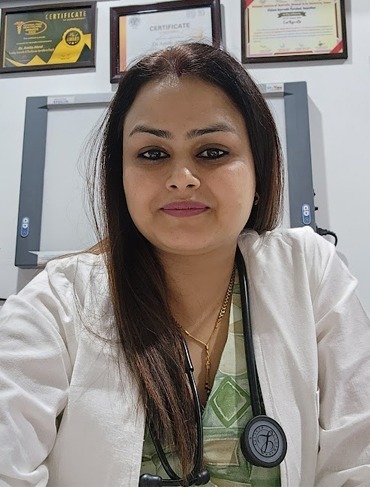
Personally supervised by Dr. Amita Abrol
Gold Medalist BAMS · MS Gynaecology & Obstetrics · 14+ years experience
Key takeaways
- Most Panchakarma side effects are short and expected: nausea on ghee days, tiredness on the main day.
- Normal effects usually settle within 1 to 3 days with rest and the step-by-step recovery diet.
- Fainting, chest pain, blood in vomit or stools, or nonstop loose motions are warning signs.
- Pregnancy, fever, active infection and uncontrolled heart disease or diabetes rule out the main cleanse.
- Small studies found blood salts stayed normal after supervised Virechana.
- Never stop prescribed medicines for Panchakarma; diabetes and blood pressure doses may need checking.
- Most serious problems come from home or unsupervised cleanses, not from a planned course.
In This Article
- What Are the Side Effects of Panchakarma?
- Which Side Effects Are Normal and Which Are Warning Signs?
- Side Effects at Each Stage of Panchakarma
- Is Panchakarma Safe?
- Who Should Not Have Panchakarma?
- How Doctors Keep Side Effects Low
- Panchakarma Side Effects: Myths vs Facts
- When to Call a Doctor During Panchakarma
- A Typical Case We See in Clinic
- Book a Safe Panchakarma Consultation
- About the Author
- References
By Dr. Amita Abrol, BAMS (Gold Medalist), MS · Ayurvedic Physician & Panchakarma Specialist, Amritsar · Medically reviewed · Last updated: 17 November 2026
How this article was prepared: Written by Dr. Amita Abrol from what patients feel and ask about during Panchakarma courses at our Amritsar clinic, and checked against the complication chapters of the Charaka Samhita and published safety studies. Every number links to its source below. Advice is general; your doctor decides what suits you. Author credentials: Dr. Amita Abrol.
Quick answer: Panchakarma does have side effects, but most are short and expected. Nausea and heaviness are common on the ghee days. Tiredness, cramps or a sore throat are common on the main cleansing day. These usually settle within 1 to 3 days. Fainting, chest pain, blood in vomit or stools, or nonstop loose motions are warning signs.
What Are the Side Effects of Panchakarma?
The common side effects of Panchakarma are tiredness, nausea, a heavy stomach, loose motions, mild cramps and light-headedness. They come from the treatment doing its job, and they usually fade within a few days.
Panchakarma treatment is not a massage package. It asks the body to work hard for a short time. First you drink medicated ghee. Then oil and steam loosen what Ayurveda calls excess dosha. Then a main cleanse, such as purging or controlled vomiting, carries it out. Each step has its own effects.
In our clinic, we tell every patient what to expect before the first day. People who know that nausea on day 3 of ghee is normal stay calm. People who were told “it is just a detox” often panic and stop halfway.
Which Side Effects Are Normal and Which Are Warning Signs?
Effects that are mild, expected for the stage and easing within 1 to 3 days are normal. Effects that are severe, getting worse, or come with fainting, bleeding or chest pain are warning signs. The table shows the common ones.
| What you feel and when | Normal or not? | What to do |
|---|---|---|
| Nausea, ghee burps, heavy stomach on the ghee days | Normal | Sip warm water, eat only when hungry, tell the doctor |
| Loose, oily stools on the last ghee days | Normal | Often a sign the ghee has done its work |
| Tiredness and sleepiness for 1 to 3 days after the main cleanse | Normal | Rest and follow the recovery diet |
| Mild cramps before motions on Virechana or Basti days | Normal | Warm water, rest, a hot water bag if allowed |
| Dizziness when standing after steam or purging | Watch closely | Lie down, sip fluids, tell staff at once |
| Fainting, chest pain, blood in vomit or stools at any time | Not normal | Stop and get medical help immediately |
How long do the side effects last?
Ghee-day nausea usually lifts the day the ghee stops. Tiredness after the main cleanse lasts 1 to 3 days for most adults. Appetite comes back slowly over the recovery diet, which is why meals start small.
Some people feel a little low or emotional for a day or two. Ayurveda links this to the body letting go of what it held, and in practice it passes with rest and sleep. If low mood, weakness or poor appetite carry on past a week, tell your doctor. Something else may need checking, such as low iron, thyroid or sugar levels.
Side Effects at Each Stage of Panchakarma
Each stage of Panchakarma has its own common side effects: the ghee days bring nausea, steam brings thirst and dizziness, and the main cleanse brings tiredness. Knowing the stage helps you judge what you feel.
The ghee days (Snehapana)
For 3 to 7 mornings you drink medicated ghee, and the dose goes up each day. Nausea, burping, a dull headache and no appetite for lunch are common. Some people feel low or irritable. Stools become soft and oily near the end, which the doctor reads as a good sign.
Many people worry that so much ghee will raise cholesterol. In a study of 29 healthy volunteers, rising ghee doses did not raise total or LDL cholesterol. Triglycerides fell, and no one’s health was harmed (Mulay, 2021).
Oil massage and steam (Abhyanga and Swedana)
Massage is usually pleasant. Steam can make you thirsty, flushed or dizzy, especially if you have low blood pressure. Short sessions, cool cloths on the head and water afterwards keep this small.
The main cleanse
- Virechana (purging): cramps, many loose motions over a few hours, then tiredness. Read what happens on the Virechana day.
- Vamana (controlled vomiting): a sore throat, an empty feeling and tiredness for the rest of the day. See Vamana Karma, step by step.
- Basti (medicated enema): mild cramps, a strong urge to pass stool and, rarely, the oil not coming out for some hours. Our Vasti page explains the course.
- Nasya (nasal oil): sneezing, watery eyes or a short headache.
Is Panchakarma Safe?
Panchakarma is generally safe when a qualified doctor plans it, checks you first and supervises the main cleanse. The research is small, but the studies that measured safety have been reassuring.
- In 15 patients, blood salts (electrolytes) were tested before and after Virechana. The changes stayed within the normal range (Rais and Bhatted, 2013).
- In a study of spring Vamana, 89 people registered and 69 completed the full treatment without major complications. On average they took ghee for about 5 days first (Bhatted and colleagues, 2011).
- In the ghee study above, all 29 volunteers finished without harm (Mulay, 2021).
The classical texts were honest about risk too. The Charaka Samhita gives two whole chapters (Siddhi Sthana 6 and 7) to what can go wrong with Vamana, Virechana and Basti, and how to manage it. Too strong a purge, too weak a purge and a cleanse in the wrong person are all described.
One risk is often missed: the medicines. A US study bought 193 Ayurvedic medicines online and found lead, mercury or arsenic in 20.7% of them (Saper and colleagues, 2008). Take only what your doctor names, from licensed makers. Our guide on how to choose an Ayurvedic doctor lists what to check.
Who Should Not Have Panchakarma?
People who are pregnant, have a fever or active infection, are very weak, or have heart disease, diabetes or blood pressure that is not controlled should not have the main cleanse. Many of them can still have gentle therapies.
- Pregnancy, and the first weeks after delivery
- Fever, an infection, diarrhoea or vomiting right now
- Very weak, underweight or frail people, and young children
- Heart disease, kidney disease, or diabetes or blood pressure that is not under control
- Active bleeding, such as bleeding piles or blood in the stools
- Your period: the main cleanse is planned for after it
Age matters too. Strong cleanses such as Vamana are rarely planned after about 60 to 65 years. A milder plan with oil massage, short steam and gentle Basti is often a better fit.
Some people need extra care rather than a firm no. If you take blood thinners, insulin, water tablets or lithium, the doctor will plan more slowly and may ask your physician to see you first. The same applies after a recent surgery, a recent heart attack or stroke, or if you have kidney stones. Be open about every tablet you take, including ones from other Ayurvedic or homeopathic doctors.
How Doctors Keep Side Effects Low
Side effects stay small when the doctor checks you first, sets the dose for your body, watches you on the main day and gives a proper recovery diet. These four steps matter more than any single medicine.
- A full check before starting. We ask about every medicine, read recent reports, check blood pressure and, where useful, sugar and kidney tests.
- A dose made for you. The ghee dose and the strength of the purge depend on your digestion and strength, not a fixed chart.
- Supervision on the main day. Staff count motions or bouts, check pulse and blood pressure, and give fluids.
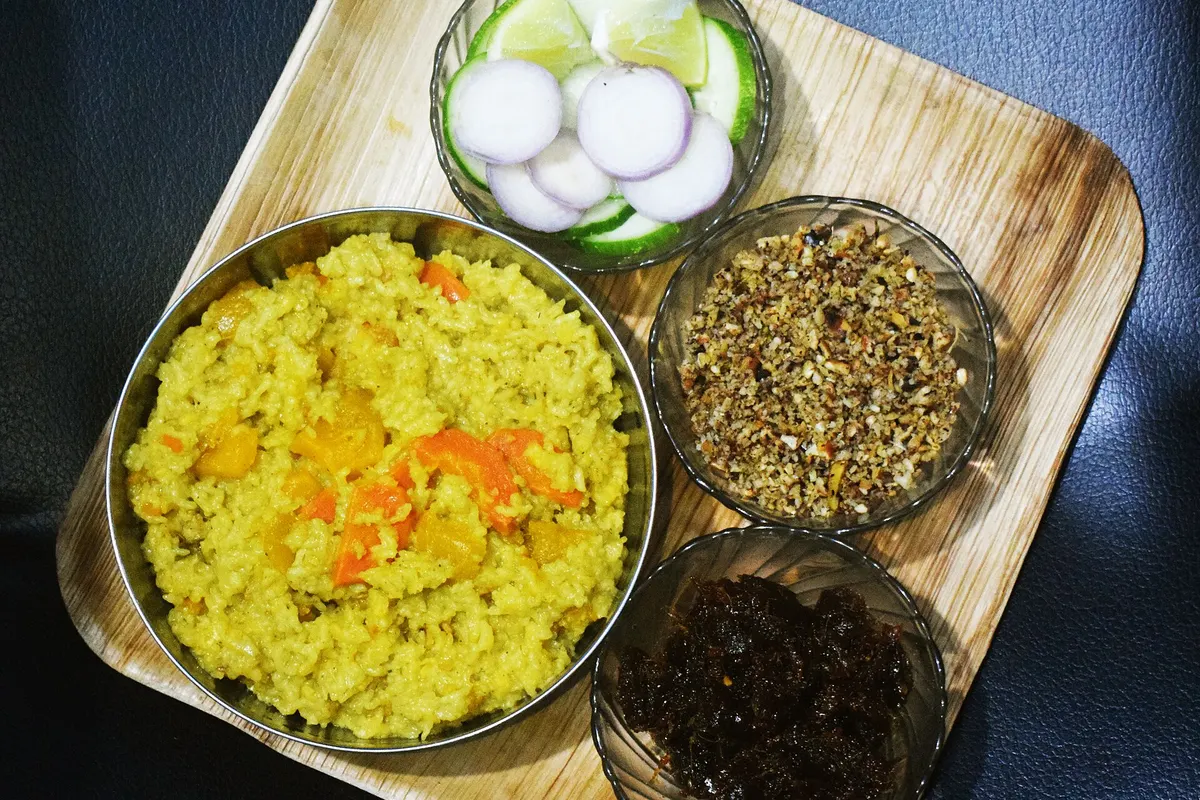
- A slow return to food. Rice water first, then khichdi, then normal meals over 3 to 7 days.
Your part matters as much as ours. In the week after the main cleanse, avoid cold drinks, fried food, alcohol, long travel, heavy exercise and late nights. Sleep early and drink warm water through the day. Most of the weakness and bloating we see in follow-up comes from a big wedding meal or a long drive two days after Virechana, not from the treatment itself.
Panchakarma Side Effects: Myths vs Facts
Most fears about Panchakarma side effects come from home detoxes and spa packages, not from a supervised course.
| Myth | Fact |
|---|---|
| Panchakarma has no risk because it is natural. | Purging and vomiting are strong treatments. That is why they need a doctor and a check-up first. |
| The more you purge, the better. | Too strong a purge is a listed complication in the Charaka Samhita. The doctor aims for a set range. |
| All that ghee will block your arteries. | A short, planned course of ghee lowered triglycerides in a study of 29 volunteers. |
| Feeling tired means something went wrong. | Tiredness for 1 to 3 days after the main cleanse is expected. |
| You must stop your regular medicines. | No. Never stop prescribed medicines. Doses are adjusted with your physician if needed. |
When to Call a Doctor During Panchakarma
Call your doctor or go to a hospital at once if you faint, have chest pain, see blood in vomit or stools, or have loose motions or vomiting that will not stop. These are not normal side effects.
- Fainting, or dizziness that does not ease when you lie down
- Chest pain, a racing heartbeat or breathlessness
- Blood in vomit or stools, or black stools
- Passing very little urine, or very dark urine
- Severe belly pain, or a high fever
- Very low sugar readings, with shaking or sweating, if you have diabetes
Most of these come from dehydration or from a cleanse that was too strong. Both are treatable when caught early. Don’t stop or change your prescribed medicines on your own at any stage.
A Typical Case We See in Clinic
The most common problem we see is not a dangerous side effect but a patient who felt unwell and stopped too early. Here is a composite example, with details changed for privacy.
A 52-year-old shopkeeper from Tarn Taran came for Virechana for long-standing acidity and skin itching. He took tablets for blood pressure. On the third ghee morning he felt sick and wanted to stop. We lowered the dose slightly, gave warm water with a little dry ginger and told him this was expected. By day 5 his stools were oily and his appetite was returning.
On the Virechana day his blood pressure dipped after about 15 motions, and he felt dizzy when he stood up. Staff gave him fluids with salt and sugar, and he rested lying down. His physician skipped one blood pressure tablet that day. He went home the next morning and followed a 5-day recovery diet. His acidity settled over the next month.
Book a Safe Panchakarma Consultation
If you are planning Panchakarma and worry about side effects, start with a consultation. Dr. Amita Abrol will check your health, your reports and your medicines, and tell you honestly whether Panchakarma suits you now.
Book a Clinic Visit in Amritsar See Our Panchkarma Centre
Clinic: Dr. Abrol Ayurveda & Panchkarma Hospital, Amritsar · Phone / WhatsApp: +91-9878039127
About the Author
Dr. Amita Abrol is an Ayurvedic physician and Panchakarma specialist in Amritsar, Punjab. She holds a BAMS (Gold Medalist) and an MS in Gynaecology & Obstetrics (Stree Prasuti Tantra). She plans and supervises Panchakarma courses every week and talks each patient through the normal and the warning signs before the first day. She also sees patients in India and abroad through online consultations.
Experience: 14+ years of supervised Panchakarma practice. Clinic address and phone are listed in the site footer.
References
- Rais A, Bhatted S. Clinical study to evaluate the effect of Virechanakarma on serum electrolytes. AYU, 2013;34(4):379-382.
- Bhatted S, Shukla VD, Thakar A, Bhatt NN. A study on Vasantika Vamana (therapeutic emesis in spring season): a preventive measure for diseases of Kapha origin. AYU, 2011;32(2):181-186.
- Mulay MS. Short term escalating administration of large amount of sneha does not increase blood lipids. Journal of Ayurveda and Integrative Medicine, 2021;12(3):535-539.
- Saper RB, et al. Lead, mercury, and arsenic in US- and Indian-manufactured Ayurvedic medicines sold via the Internet. JAMA, 2008;300(8):915-923.
- Charaka Samhita, Siddhi Sthana, Chapter 6 (Vamana Virechana Vyapat Siddhi) and Chapter 7 (Basti Vyapat Siddhi): complications of the main cleanses and their management.
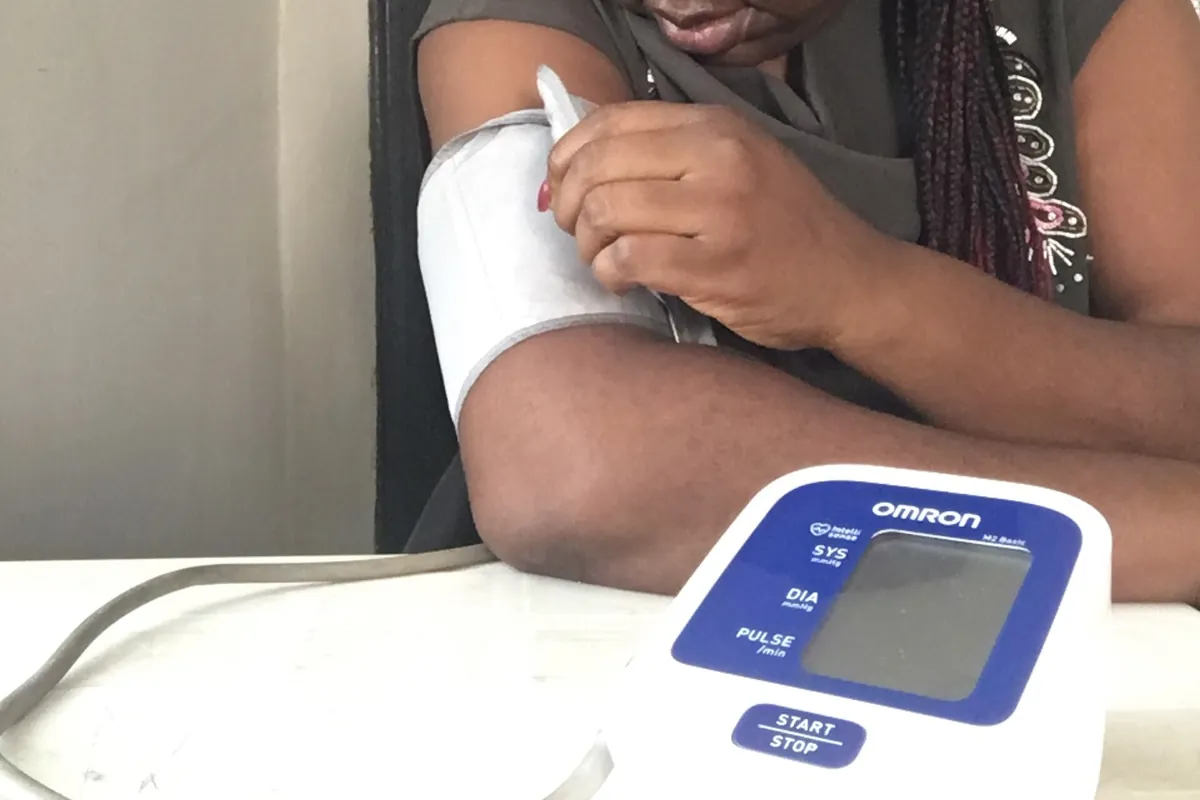
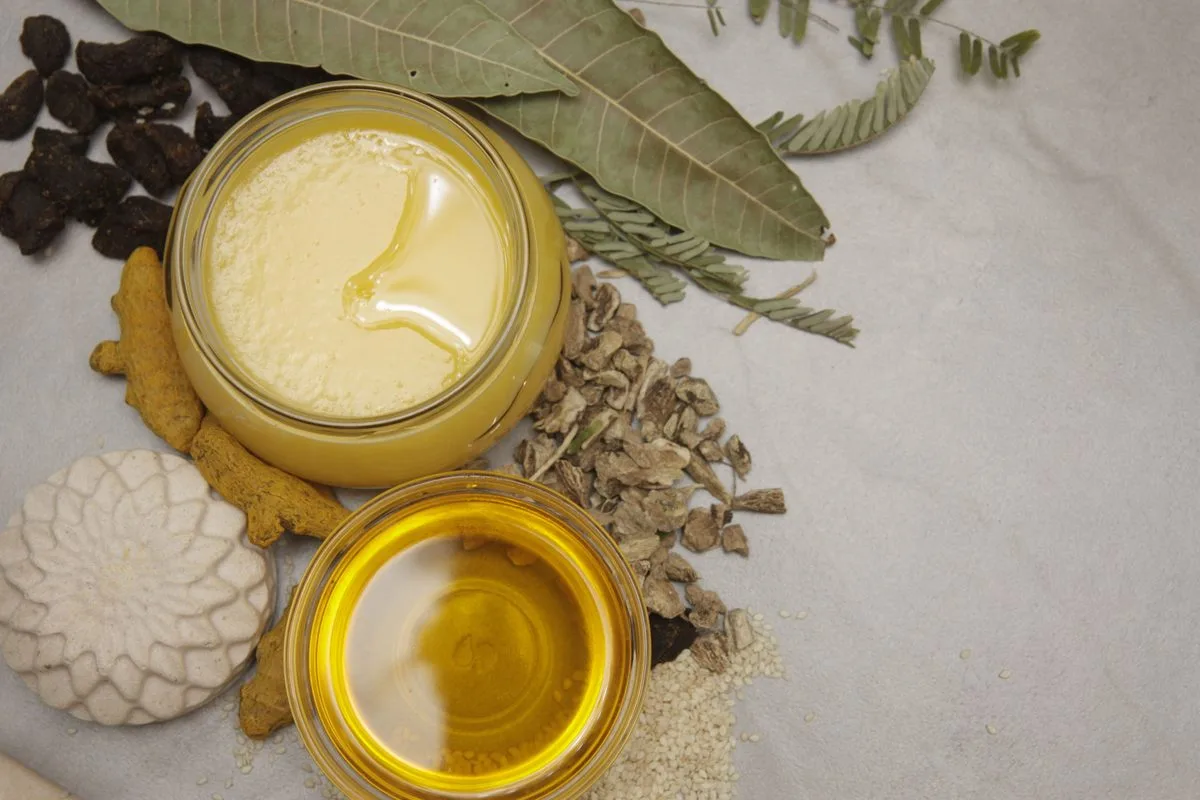
Images: “Checking blood pressure at home” by Beendy234, CC0; “Vegetable Khichdi 1” by Dolon Prova, CC BY-SA 4.0 (Wikimedia Commons, cropped and resized). Medicines photo: Dr. Abrol Ayurveda website image library. Used for education; not photographs of patients at this hospital.
Medical disclaimer: This article is for education and does not replace a consultation with your doctor. Do not stop or change prescribed medicine on your own. Chest pain, fainting, vomiting or loose motions that will not stop, blood in vomit or stools, or a high fever needs urgent care at a hospital.
Have questions about your own symptoms?
Every case is different. Book a consultation with Dr. Abrol for a treatment plan personalised to your Prakriti and health history.
In This Article
- What Are the Side Effects of Panchakarma?
- Which Side Effects Are Normal and Which Are Warning Signs?
- Side Effects at Each Stage of Panchakarma
- Is Panchakarma Safe?
- Who Should Not Have Panchakarma?
- How Doctors Keep Side Effects Low
- Panchakarma Side Effects: Myths vs Facts
- When to Call a Doctor During Panchakarma
- A Typical Case We See in Clinic
- Book a Safe Panchakarma Consultation
- About the Author
- References
Book a Consultation
Get a personalised Ayurvedic treatment plan from Dr. Abrol - in clinic or online.
Dr. Amita Abrol
Gold Medalist BAMS, MS Gynaecology
Common Questions
Frequently Asked Questions
Yes, for a short time. Most people feel tired or weak on the main cleansing day and for one to three days after it. The step-by-step recovery diet is what brings strength back, so skipping it is the usual reason weakness lasts longer. Weakness that gets worse after a week, or comes with dizziness and fainting, needs a check-up.
Yes. Mild nausea, burping the taste of ghee, a heavy stomach and less hunger are common during Snehapana, the ghee days. Sipping warm water and eating only when hungry helps. Tell your doctor if you vomit, cannot eat at all, or feel pain in the upper right side of the belly, because the dose may need changing.
It can. Fasting, fluid loss on the purging day and heat from steam can lower blood pressure and blood sugar. If you take medicines for diabetes or blood pressure, your doctor may check readings daily and ask your regular physician to adjust doses. Do not stop or change any medicine on your own.
Usually not. The ghee is given for a few days to prepare the body and then removed by the cleanse. In a study of 29 healthy volunteers, escalating ghee doses led to a small weight loss and lower triglycerides, not weight gain. Your weight may rise slightly during the ghee days and then fall again.
A properly planned course should not leave long-term harm. Problems that last usually come from repeated cleanses done too often, home purging without supervision, or medicines from unreliable sources. Space courses as your doctor advises, and buy medicines only from licensed makers through your doctor.
Older people can have gentle Panchakarma, but strong cleanses such as Vamana are usually avoided after about 60 or 65 years, or in anyone frail. Oil massage, steam for short periods and mild Basti are often used instead. The doctor checks heart health, blood pressure and medicines before planning anything.
Continue Exploring
Related Treatments & Conditions
Keep Reading
More on Panchakarma & Detox

Ready to Start Your Ayurvedic Healing Journey?
Book a clinic visit or online consultation with Dr. Abrol, based on what you've just read.