Panchakarma & Detox
Panchakarma for Weight Loss: What It Can and Cannot Do for You
Panchakarma can start weight loss, but most of the first kilos are water and gut weight. Dr. Amita Abrol explains which therapies are used for weight, what the research really shows, and the habits that decide whether the weight stays off.
- Published November 3, 2026
- 9 minutes read
- Medically reviewed
- By Dr. Amita Abrol
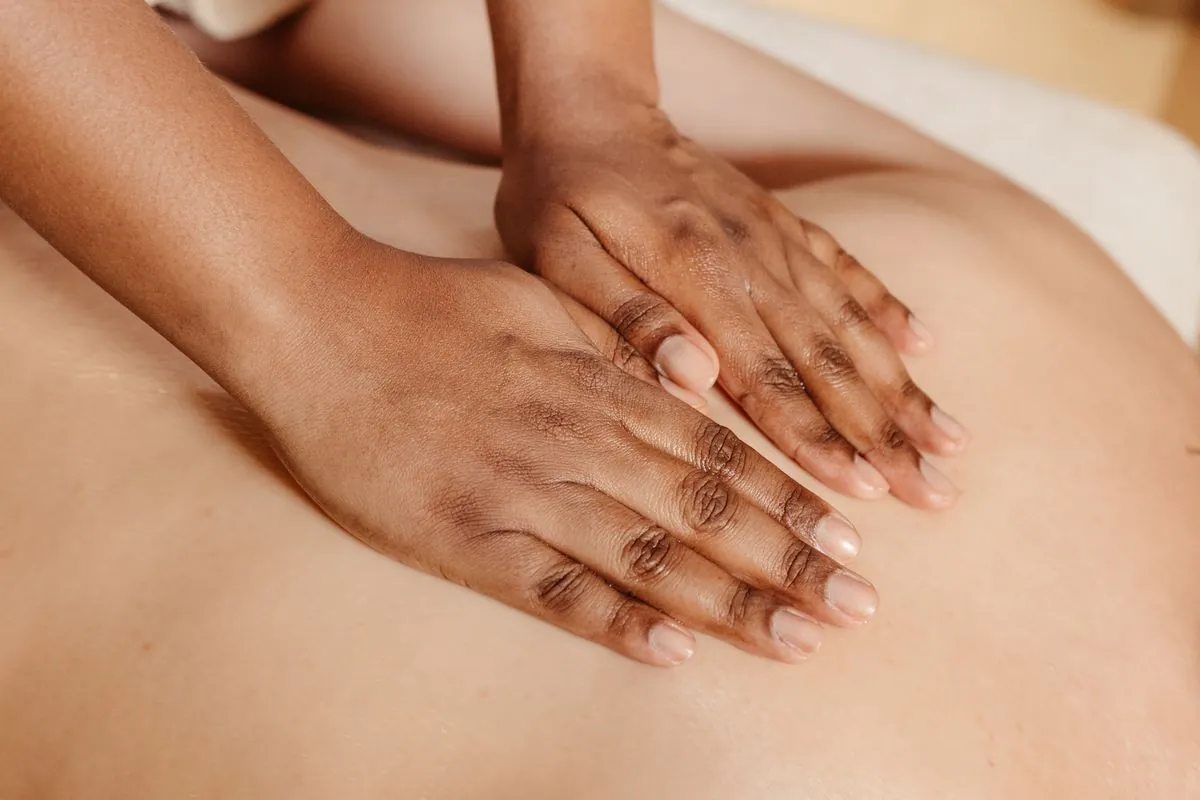
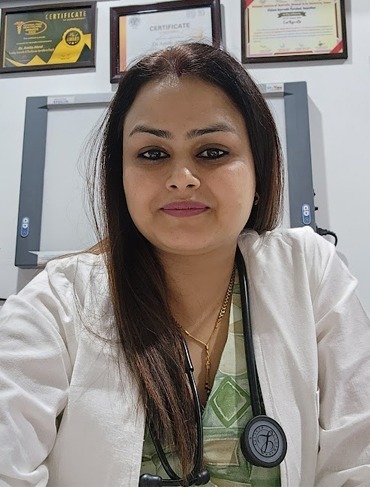
Personally supervised by Dr. Amita Abrol
Gold Medalist BAMS · MS Gynaecology & Obstetrics · 14+ years experience
Key takeaways
- Panchakarma can start weight loss but does not replace diet, activity and sleep.
- Most of the 1 to 3 kg lost during a course is water and gut contents, not fat.
- Udvartana, Lekhana Basti and Virechana are the therapies most used for weight.
- In one programme, people kept losing weight after it ended, reaching about 6 kg at 6 months.
- Thyroid, PCOD and some medicines affect weight and need checking first.
- Crash cleanses and repeated purging can weaken digestion and backfire.
- Never stop diabetes, thyroid or other medicines for a weight loss plan.
In This Article
- Can Panchakarma Help With Weight Loss?
- How Much Weight Do People Lose During Panchakarma?
- Which Panchakarma Therapies Are Used for Weight?
- What Panchakarma Cannot Do for Weight
- What Does the Research Say?
- How to Keep the Weight Off After Panchakarma
- Panchakarma for Weight Loss: Myths vs Facts
- Who Should Be Careful
- A Typical Weight Loss Case We See
- Plan Your Weight Loss Consultation
- About the Author
- References
By Dr. Amita Abrol, BAMS (Gold Medalist), MS · Ayurvedic Physician & Panchakarma Specialist, Amritsar · Medically reviewed · Last updated: 17 November 2026
How this article was prepared: Written by Dr. Amita Abrol from what we see when patients come to our Amritsar clinic for weight loss, and checked against the Charaka Samhita chapter on obesity and published studies. Every number links to its source below. We do not promise a number of kilos, and no honest clinic should. Author credentials: Dr. Amita Abrol.
Quick answer: Panchakarma can help start weight loss, but it is not a weight loss treatment on its own. Most of the 1 to 3 kg lost during a course is water and gut contents. Lasting fat loss depends on diet, daily movement and sleep in the months after. Udvartana, Lekhana Basti and Virechana are the therapies most used.
Can Panchakarma Help With Weight Loss?
Panchakarma can help start weight loss and reset eating habits, but it does not remove fat by itself. Think of it as a strong first push, not the whole road.
Every month, patients ask us for “weight loss Panchakarma”. Many have tried diets that worked for a few weeks and then stopped working. They hope a cleanse will do what the diet could not. The honest answer is mixed.
Panchakarma treatment can lighten the body, cut cravings for a while and improve digestion. Those are real gains. But fat is stored energy. It goes only when, over weeks and months, you use more than you eat. Ayurveda says the same thing in its own words. The Charaka Samhita (Sutra Sthana, chapter 21) calls obesity Sthaulya. It lists heavy food, sleeping in the day and too little exercise among the causes.
Weight is a large problem in Punjab. National survey data (NFHS-5) show that 40% of Indian women and 12% of men carry excess fat around the waist. The rate was higher among Sikh men and women (Chaudhary and Sharma, 2023).
How Ayurveda sees extra weight
In Ayurveda, extra fat is Meda, one of the seven body tissues. It builds up when Kapha (the heavy, stable dosha) is high and digestion is slow. Food that is not fully digested turns into heaviness instead of energy. That is why Ayurveda treats weight through digestion first. Light, warm food, bitter and pungent tastes, daily exercise and less day sleep all reduce Kapha. The cleanse is one tool among these, chosen when Kapha is clearly high and the person is strong enough for it.
How Much Weight Do People Lose During Panchakarma?
Most people lose about 1 to 3 kg during a 7 to 14 day course, and much of that early loss is water and gut contents, not fat. Some of it returns when normal eating starts.
Several things lower the scale during a course. Purging empties the bowel. Light meals hold less water in the body. Sweating in steam removes a little more. This is why the weight after Virechana is not the weight two weeks later.
Even the ghee days, which worry many patients, did not add weight in one study. Researchers gave 29 healthy volunteers rising doses of ghee before a cleanse. Sixteen of them lost more than 2 kg. All 29 had a smaller waist, and triglycerides fell (Mulay, 2021). It was a small study in healthy people, so it shows the ghee is not fattening in the short term. It does not show Panchakarma treats obesity.
Is it water or fat?
A simple way to tell: water weight comes off fast and comes back fast. Fat comes off slowly, about half to one kilo a week at best, and stays off if habits hold. Measure your waist as well as your weight. A waist that keeps shrinking over months is a better sign than a quick drop on the scale.
Measure your waist at the navel, in the morning, before breakfast, once a week. Write it down with your weight. Two lines on a page tell you more than daily checks on the scale, which swing with salt, water and sleep.
Which Panchakarma Therapies Are Used for Weight?
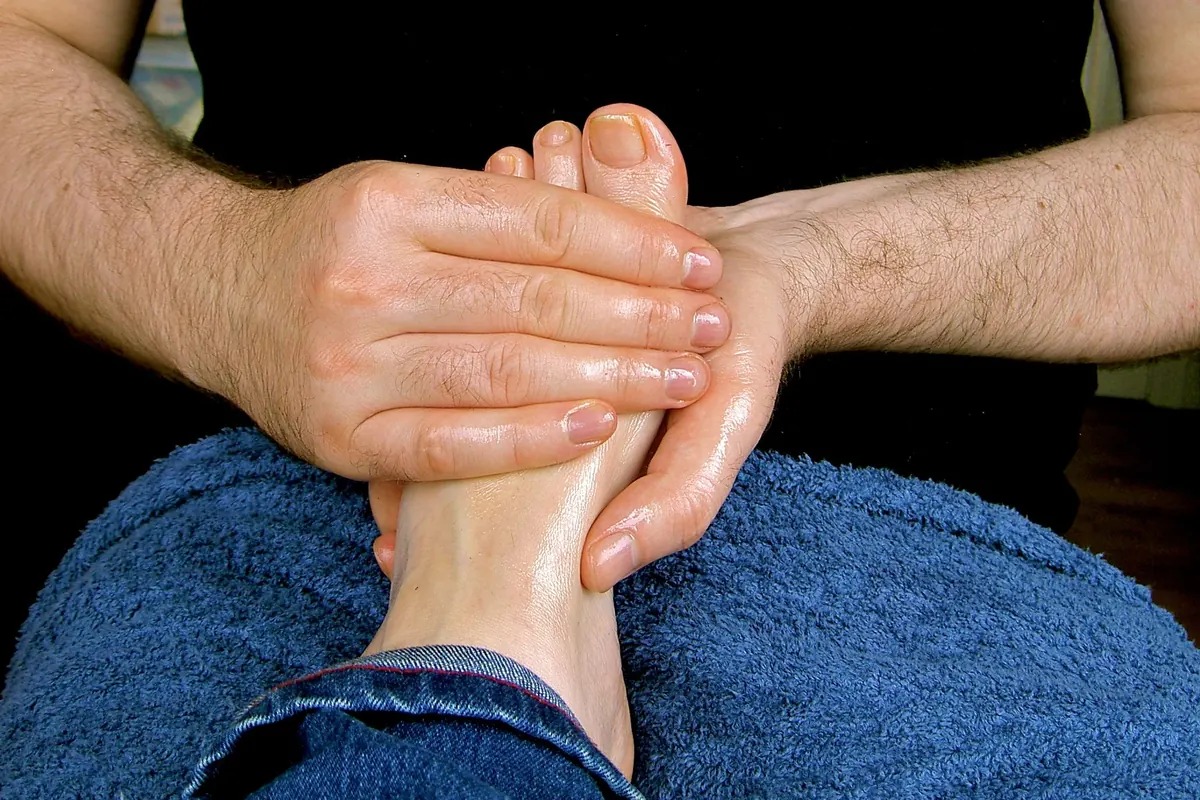
The therapies most used for weight are Udvartana (dry herbal powder massage), Lekhana Basti (a scraping herbal enema), Virechana (purging) and, for some, Vamana. The doctor chooses based on your body type, digestion and health.
| Therapy | What it does | Who it usually suits |
|---|---|---|
| Udvartana | Dry herbal powder rubbed firmly upwards on the body | Heaviness, loose skin, Kapha-type weight |
| Lekhana Basti | A herbal enema with scraping (Lekhana) herbs, given as a course | Obesity with high cholesterol, under supervision |
| Virechana | A supervised purge after ghee preparation | Weight with acidity, heat or high triglycerides |
| Vamana | Controlled vomiting after preparation | Strong adults with clear Kapha-type weight |
You can read more about Udvartana, the Virechana process and Basti courses. Not everyone needs a cleanse. For some people, a few weeks of Udvartana with a strict diet plan is enough to get started.
What a typical weight plan looks like
A common plan at our clinic runs for about three weeks. The first week is diet and digestive herbs, with Udvartana and steam on most days. The second week brings the ghee days and the main cleanse, often Virechana. The third week is the recovery diet, with walking added back slowly. After that comes the real work at home: monthly follow-ups for three to six months, with diet and activity goals for each month. The cleanse is about a quarter of the plan. The follow-up is the rest.
What Panchakarma Cannot Do for Weight
Panchakarma cannot burn fat for you, fix a thyroid problem, override a high-calorie diet or keep weight off without lasting habit changes. Expecting it to do these leads to disappointment.
- It cannot replace calorie balance. If meals go back to parathas with butter, sweets and late dinners, weight returns.
- It cannot treat the cause by itself. Low thyroid, PCOD, some medicines, poor sleep and stress all affect weight.
- It cannot be repeated often for quick results. Frequent purging weakens digestion and can cause salt imbalance.
- It cannot target one area. No therapy removes fat from just the belly or thighs.
Before a weight plan, we check thyroid, sugar and, for women, signs of PCOD. Read about our thyroid care and PCOD treatment if either applies to you.
What Does the Research Say?
Research on Panchakarma for weight is small, but whole-system programmes with diet and yoga have shown steady weight loss that continued after the programme ended.
- In a US pilot study, 17 adults followed a 3-month Ayurveda and yoga plan, and 12 gave full follow-up data. They lost an average of 3.5 kg in 3 months. They kept losing after it ended, reaching 5.9 kg at 6 months (Rioux and Howerter, 2019).
- In an Indian trial of 90 adults with high blood fats, Virechana mainly lowered triglycerides. Lekhana Basti mainly lowered cholesterol (Pooja and Bhatted, 2016).
- In the ghee study above, waist size fell in all 29 volunteers (Mulay, 2021).
None of these were large, and most had no comparison group. The pattern still matters. The best results came from programmes that changed daily habits, not from a single cleanse.
How to Keep the Weight Off After Panchakarma
Weight stays off when you keep the light eating, early dinners and daily movement you started during the course. The first three months after Panchakarma matter most.
- Keep dinner early and light. Finish by 7:30 pm. Soup, dal or khichdi suits most evenings.
- Walk every day. 30 to 45 minutes, plus two short strength sessions a week.
- Cut liquid sugar. Sweet lassi, packaged juice and soft drinks add weight fast.
- Watch Punjabi wedding food. One heavy meal is fine. Three in a week undo a month of effort.
- Sleep 7 to 8 hours and avoid naps in the day. Ayurveda links day sleep with Kapha and weight gain.
A simple day plate for weight, Punjabi style
- Morning: warm water, then tea with less sugar, and a small bowl of dalia or moong chilla
- Lunch: one or two phulkas, a big bowl of sabzi, dal and a little buttermilk
- Evening: roasted chana or a fruit, not biscuits or namkeen
- Dinner by 7:30 pm: vegetable soup, moong dal with one phulka, or khichdi
Our Panchakarma diet guide explains the first week of eating after a cleanse.

Panchakarma for Weight Loss: Myths vs Facts
Most weight loss myths about Panchakarma promise fast kilos from a short cleanse.
| Myth | Fact |
|---|---|
| You can lose 10 kg in one week of Panchakarma. | Most people lose 1 to 3 kg, and much of it is water. |
| Udvartana melts fat. | It helps heaviness and skin tone. Fat loss needs diet and activity. |
| More cleanses mean more weight loss. | Repeated purging weakens digestion and can backfire. |
| The ghee will make you fatter. | A short, supervised course of ghee did not add weight in a study of 29 volunteers. |
| After Panchakarma you can eat anything. | The months after the course decide whether weight stays off. |
Who Should Be Careful
People with diabetes, thyroid disease, heart or kidney problems, or a history of eating disorders need a careful, supervised plan, and some should avoid strong cleanses.
- Diabetes: light meals and purging can drop sugar. Doses may need changing with your physician.
- Thyroid: take thyroxine exactly as prescribed, every day of the course.
- Heart or kidney disease: strong cleanses may not be suitable.
- Eating disorders: a cleanse focused on weight can make things worse. Talk to your doctor first.
- Pregnancy and breastfeeding: no weight loss cleanse.
Don’t stop or change your prescribed medicines for any weight loss plan, including weight loss injections or tablets. Tell your Ayurvedic doctor about all of them.
See a doctor soon if weight gain comes with tiredness, hair fall and feeling cold, which can mean an underactive thyroid. Irregular periods with facial hair can point to PCOD. Sudden weight loss you did not try for is a warning sign too, and needs a check-up rather than a cleanse.
A Typical Weight Loss Case We See
The patients who do best treat Panchakarma as the start of a change, not a quick fix. Here is a composite example, with details changed for privacy.
A 36-year-old woman from Amritsar weighed 84 kg, with a 98 cm waist. She felt heavy and sleepy after meals and had borderline sugar. Her thyroid was normal. Dr. Abrol planned 10 sessions of Udvartana with steam over two weeks, then Virechana, followed by a 5-day recovery diet.
She lost 2.5 kg during the course. The bigger change came after: early dinners, a 40-minute walk most days and no sweet tea. Six months later she weighed 77 kg and her waist was 89 cm. Her sugar was back in the normal range. Results differ for each person. Hers came from the habits she kept, with Panchakarma as the push to start.
Plan Your Weight Loss Consultation
If you want to lose weight with Ayurveda, start with a consultation, not a package. Dr. Amita Abrol will check your thyroid, sugar and digestion, and tell you honestly whether Panchakarma will help you.
Book a Clinic Visit in Amritsar Consult Online
Clinic: Dr. Abrol Ayurveda & Panchkarma Hospital, Amritsar · Phone / WhatsApp: +91-9878039127
About the Author
Dr. Amita Abrol is an Ayurvedic physician and Panchakarma specialist in Amritsar, Punjab. She holds a BAMS (Gold Medalist) and an MS in Gynaecology & Obstetrics (Stree Prasuti Tantra). She sees many patients for weight, PCOD and thyroid problems and plans Udvartana, Basti and diet programmes with realistic, month-by-month goals. She also sees patients in India and abroad through online consultations.
Experience: 14+ years of supervised Panchakarma practice. Clinic address and phone are listed in the site footer.
References
- Mulay MS. Short term escalating administration of large amount of sneha does not increase blood lipids. Journal of Ayurveda and Integrative Medicine, 2021;12(3):535-539.
- Pooja BA, Bhatted SK. A standard controlled clinical study on Virechana Karma and Lekhana Basti in the management of dyslipidemia (Medoroga). AYU, 2016;37(1):32-37.
- Rioux J, Howerter A. Outcomes from a whole-systems Ayurvedic medicine and yoga therapy treatment for obesity pilot study. Journal of Alternative and Complementary Medicine, 2019;25(S1):S124-S137.
- Chaudhary M, Sharma P. Abdominal obesity in India: analysis of the National Family Health Survey-5 (2019-2021) data. Lancet Regional Health Southeast Asia, 2023;14:100208.
- Charaka Samhita, Sutra Sthana, Chapter 21 (Ashtauninditiya Adhyaya): Sthaulya (obesity), its causes and management.
Images: “White bitter gourd” by Suyash Dwivedi, CC BY-SA 3.0 (Wikimedia Commons, cropped and resized). Vajrasana photo from Pexels, Pexels License. Massage photo: Dr. Abrol Ayurveda website image library. Used for education; not photographs of patients at this hospital.
Medical disclaimer: This article is for education and does not replace a consultation with your doctor. Do not stop or change prescribed medicine on your own. Chest pain, fainting, vomiting or loose motions that will not stop, blood in vomit or stools, or a high fever needs urgent care at a hospital.
Have questions about your own symptoms?
Every case is different. Book a consultation with Dr. Abrol for a treatment plan personalised to your Prakriti and health history.
In This Article
- Can Panchakarma Help With Weight Loss?
- How Much Weight Do People Lose During Panchakarma?
- Which Panchakarma Therapies Are Used for Weight?
- What Panchakarma Cannot Do for Weight
- What Does the Research Say?
- How to Keep the Weight Off After Panchakarma
- Panchakarma for Weight Loss: Myths vs Facts
- Who Should Be Careful
- A Typical Weight Loss Case We See
- Plan Your Weight Loss Consultation
- About the Author
- References
Book a Consultation
Get a personalised Ayurvedic treatment plan from Dr. Abrol - in clinic or online.
Dr. Amita Abrol
Gold Medalist BAMS, MS Gynaecology
Common Questions
Frequently Asked Questions
Most people lose about 1 to 3 kg during a 7 to 14 day course. Much of that is water and gut contents, so some returns when normal eating starts. Fat loss comes slowly over the next months with diet and activity. Be wary of anyone who promises a fixed number of kilos in a week.
Udvartana is a dry herbal powder massage used for Kapha-type heaviness and loose, flabby skin. It can help you feel lighter and may improve skin tone, but it does not melt fat by itself. It works best as part of a plan with diet, walking and, where needed, a supervised cleanse.
Often yes, but your thyroid should be checked and treated first, because an underactive thyroid makes weight loss hard whatever you do. Keep taking thyroxine exactly as prescribed during the course. The doctor plans the timing of tablets around the ghee and cleanse days.
Usually not. The ghee is given for a few days to prepare the body and is then cleared by the cleanse. In a study of 29 volunteers, most lost weight during the ghee days and all had a smaller waist. Your weight may go up a little for a day or two and then fall.
For weight, one supervised course followed by months of steady habits is usually better than repeated cleanses. Some people benefit from a second course after 6 to 12 months. Purging often to control weight is harmful and can weaken digestion.
Panchakarma can reduce bloating and may help waist size a little, but belly fat itself responds to steady diet changes, daily walking, strength exercise and good sleep over months. Belly fat also raises the risk of diabetes and heart disease, so get your sugar and blood pressure checked.
Continue Exploring
Related Treatments & Conditions
Keep Reading
More on Panchakarma & Detox

Ready to Start Your Ayurvedic Healing Journey?
Book a clinic visit or online consultation with Dr. Abrol, based on what you've just read.