Panchakarma & Detox
Panchakarma Experience Day by Day: What a 7-Day Course Feels Like
Wondering what Panchakarma actually feels like? Dr. Amita Abrol walks you through a typical 7-day course at our Amritsar clinic, from the first consultation to the week back home, with the honest ups and downs of each day.
- Published November 7, 2026
- 9 minutes read
- Medically reviewed
- By Dr. Amita Abrol
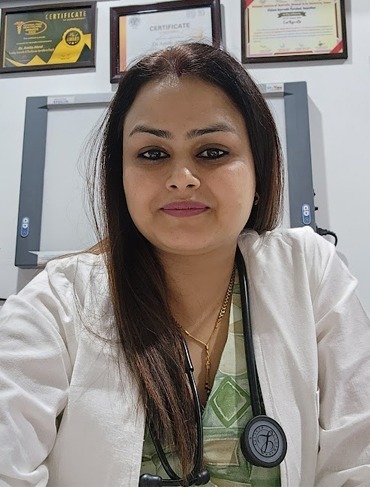
Personally supervised by Dr. Amita Abrol
Gold Medalist BAMS · MS Gynaecology & Obstetrics · 14+ years experience
Key takeaways
- A 7-day course usually means one consultation, three ghee days, a rest day, one main cleanse and the start of recovery.
- The preparation diet starts at home 3 to 5 days before you arrive.
- The ghee days are often the hardest: heaviness, nausea and low appetite are common.
- The main cleanse takes one day, and most people feel tired that evening.
- Recovery continues at home for 3 to 7 days with a step-by-step diet.
- A Basti-based course feels gentler day to day and suits pain and Vata problems.
- Never stop your prescribed medicines; the doctor plans around them.
In This Article
- What Happens During Panchakarma?
- Before You Arrive: the Week at Home
- Days 1 and 2: Consultation, Massage and the First Ghee
- Days 3 and 4: When the Ghee Gets Harder
- Day 5: Rest, Massage and Steam
- Day 6: The Main Cleanse
- Day 7 and the Week After
- Panchakarma Experience: Myths vs Facts
- A Typical 7-Day Course We See
- Plan Your 7-Day Panchakarma Course
- About the Author
- References
By Dr. Amita Abrol, BAMS (Gold Medalist), MS · Ayurvedic Physician & Panchakarma Specialist, Amritsar · Medically reviewed · Last updated: 17 November 2026
How this article was prepared: Written by Dr. Amita Abrol from the day sheets we use for patients on 7-day Panchakarma courses at our Amritsar clinic, and from what patients tell us at follow-up. Research figures link to their sources below. Your own course will be planned for your body, so the days may differ. Author credentials: Dr. Amita Abrol.
Quick answer: A typical 7-day Panchakarma course starts with a consultation and a first oil massage. Days 2 to 4 are the ghee days, when you may feel heavy or nauseous. Day 5 is massage, steam and rest. Day 6 is the main cleanse, and you feel tired that evening. Day 7 starts the recovery diet, which continues at home.
What Happens During Panchakarma?
During Panchakarma, you prepare the body with ghee, oil and steam for a few days, have one main cleanse, and then rebuild digestion with a step-by-step diet. A 7-day stay covers the middle of this, with preparation and recovery done partly at home.
The Panchakarma treatment page explains the stages in theory. This post is about how the days actually feel. Patients often tell us they wish someone had described this before they came. So here it is, day by day, the way we explain it in clinic.
Most 7-day courses are built around one main cleanse. For heat, skin and acidity problems, this is often Virechana. For pain, stiffness and constipation, it is usually a Basti course. The table compares the two.
| Day | Virechana-based course | Basti-based course |
|---|---|---|
| Day 1 | Consultation, first oil massage | Consultation, oil massage, steam |
| Days 2 to 4 | Morning ghee, light meals, massage | Massage, steam, alternating oil and herbal enemas |
| Day 5 | Massage, steam, rest | Massage, steam, enema |
| Day 6 | Virechana (main cleanse) | Massage, steam, enema |
| Day 7 | Recovery diet starts, home plan | Final enema, home plan |
Before You Arrive: the Week at Home
The course starts at home 3 to 5 days before you arrive, with light, warm meals and sometimes herbs to strengthen digestion. This makes the ghee days much easier.
After your consultation, online or in person, you get a short plan. It usually means moong dal and rice, cooked vegetables, warm water, early dinners and no fried food, sweets or alcohol. Our Panchakarma diet guide lists the details. Patients who skip this week often feel heavier and sicker on the ghee days.
Plan your leave too. Keep the main cleanse day and the day after free of work and travel. Pack loose cotton clothes, an old towel and warm socks. Bring every medicine you take, with the prescriptions.
If you come from abroad, land at least one day early. Jet lag and long flights upset sleep and digestion, and the ghee days go better when you have slept well for a night or two.
Days 1 and 2: Consultation, Massage and the First Ghee
Day 1 is a long consultation and your first oil massage, and Day 2 brings the first small dose of medicated ghee. Most people feel relaxed and curious on these days.
The consultation takes time. Dr. Abrol asks about your problem, sleep, appetite, bowels, periods for women, and every medicine you take. She reads your reports, feels your pulse (Nadi Pariksha) and checks your blood pressure. Then she confirms the plan, the dates and the cost.
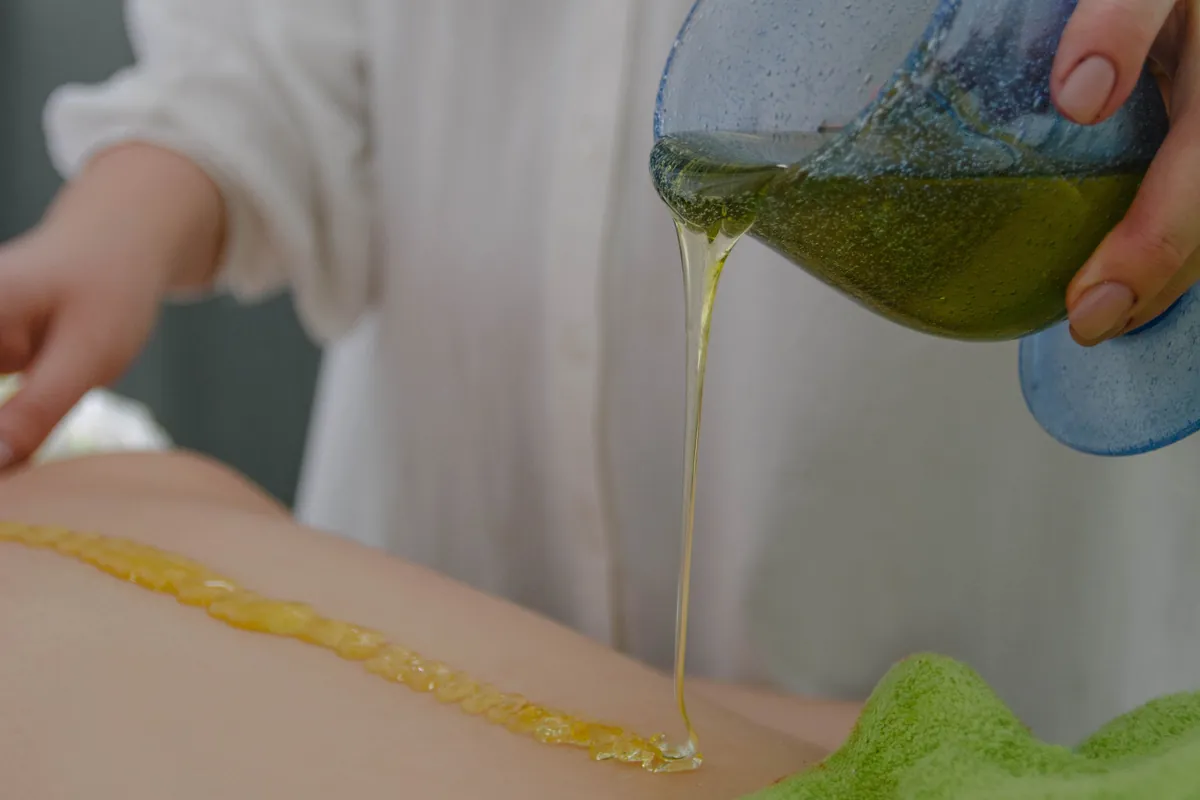
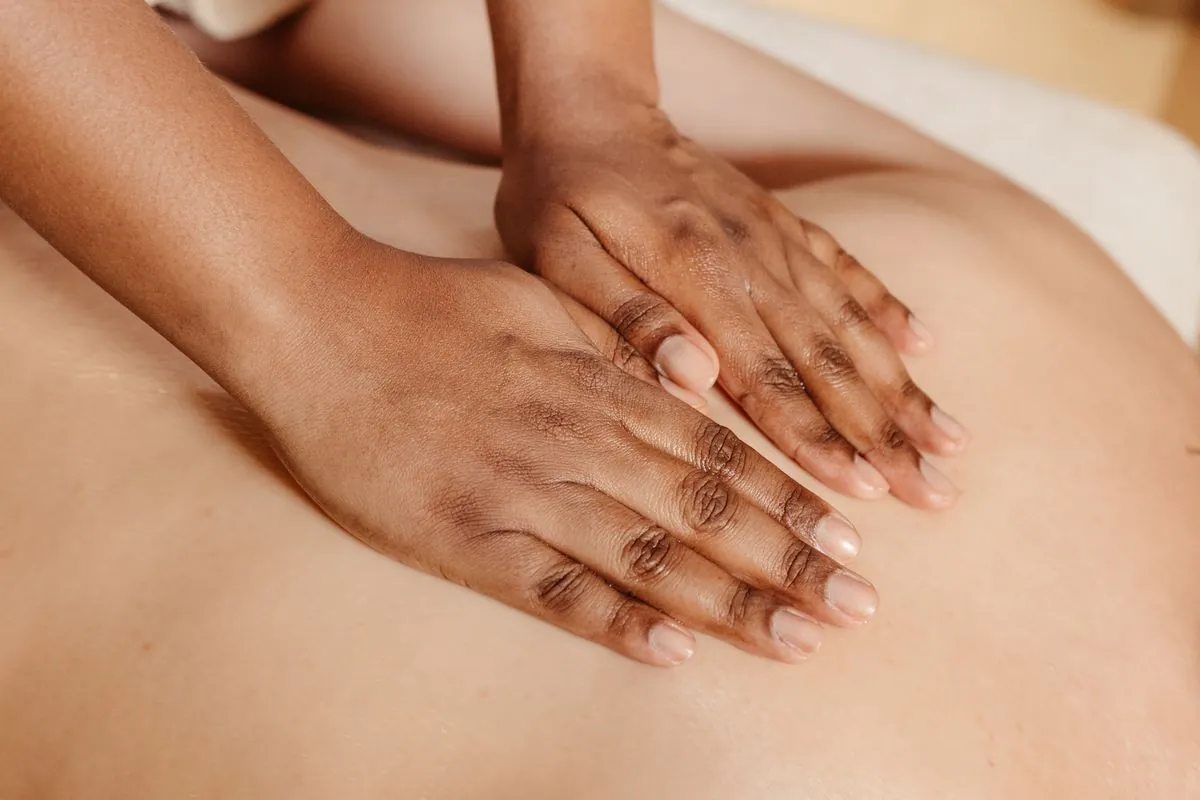
The first Abhyangam (warm oil massage) usually follows. It lasts 45 to 60 minutes. Most people find it deeply relaxing and sleep well that night. On the morning of Day 2, you drink the first dose of medicated ghee on an empty stomach. It tastes rich and slightly bitter. A cup of warm water after it helps.
Good questions to ask on Day 1
- Which main cleanse am I having, and why that one?
- Which of my regular medicines do I take on the ghee days and the cleanse day?
- Who do I call at night if I feel unwell?
- What should I eat for the first week at home?
Write the answers down. On the ghee days many people feel foggy and forget what was said.
Days 3 and 4: When the Ghee Gets Harder
Days 3 and 4 are often the hardest, because the ghee dose rises and many people feel heavy, nauseous and not hungry. This is expected and usually means the treatment is on track.
Each morning the dose goes up. In a study of 69 people having spring Vamana, ghee was taken for an average of about 5 days. The dose rose from about 36 ml to about 187 ml (Bhatted and colleagues, 2011). A 7-day course often uses 3 ghee days, with doses set for your digestion.
You eat only when truly hungry, usually warm rice gruel or thin khichdi around midday. Common feelings are ghee burps, a heavy head, mild nausea and feeling low or irritable. By Day 4, stools often turn soft and oily, and the skin looks glossy. These are the signs the doctor waits for. If you feel very sick, tell the staff. Our post on Panchakarma side effects explains what is normal.
Day 5: Rest, Massage and Steam
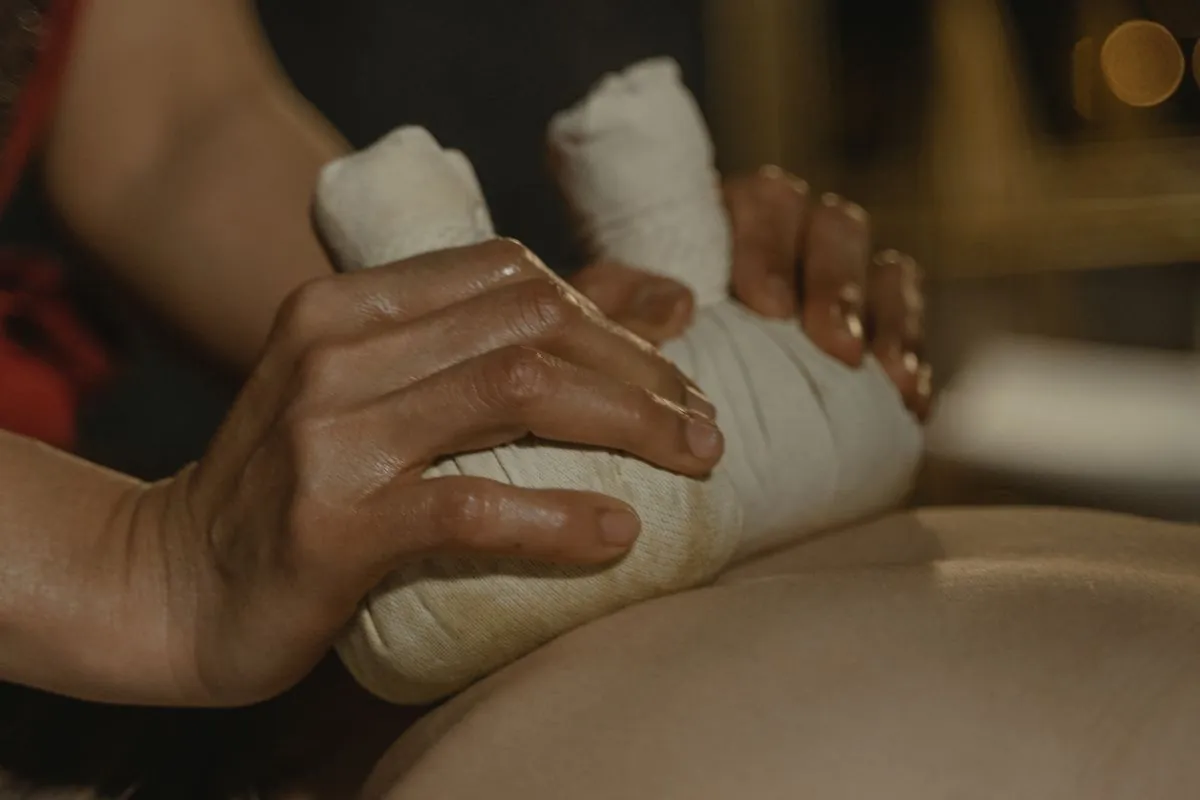
Day 5 is a calm day of oil massage, herbal steam and rest, with light food, to prepare for the main cleanse. The ghee stops, and appetite often returns a little.
After the massage you sit in an herbal steam cabin for 10 to 15 minutes, with your head outside. You will sweat and may feel thirsty. A cool cloth on the forehead helps. The doctor checks your pulse and decides if you are ready for the cleanse tomorrow. If not, one more day of massage and steam is added.
The evening meal is light and early. Sleep early. The main cleanse begins in the morning.
Many patients say Day 5 is when they first notice a change. The heavy feeling of the ghee days lifts, the skin feels soft and the mind is quiet. Some feel emotional, or think about things they had pushed aside. This is common, and a walk in the garden or a phone call home helps. Read, rest and stay off work email if you can.
Day 6: The Main Cleanse
On Day 6 you take the cleansing medicine in the morning, spend several hours resting while it works, and feel tired by the evening. This is the day to keep completely free.
For a Virechana course, you take a herbal purgative mid-morning on an empty stomach. Loose motions begin within 1 to 3 hours and continue for a few hours. Staff count them, check your pulse and blood pressure, and give warm water. In one study, blood salts stayed within the normal range after a supervised purge (Rais and Bhatted, 2013). The Virechana page explains the day in detail.
By late afternoon the motions stop on their own. You may feel empty, light and very sleepy. The first food is thin rice water in the evening. Most people sleep deeply that night.
What helps on the cleanse day
- Wear loose clothes and stay close to the bathroom
- Sip warm water often, in small amounts
- Get up slowly, and call staff if you feel dizzy
- Keep a family member nearby if you can, for the afternoon
- Do not eat anything until the doctor says the cleanse is complete
On a Basti course, Day 6 is gentler: massage, steam and an enema, then rest. The Vasti page explains how the oil and herbal enemas alternate.
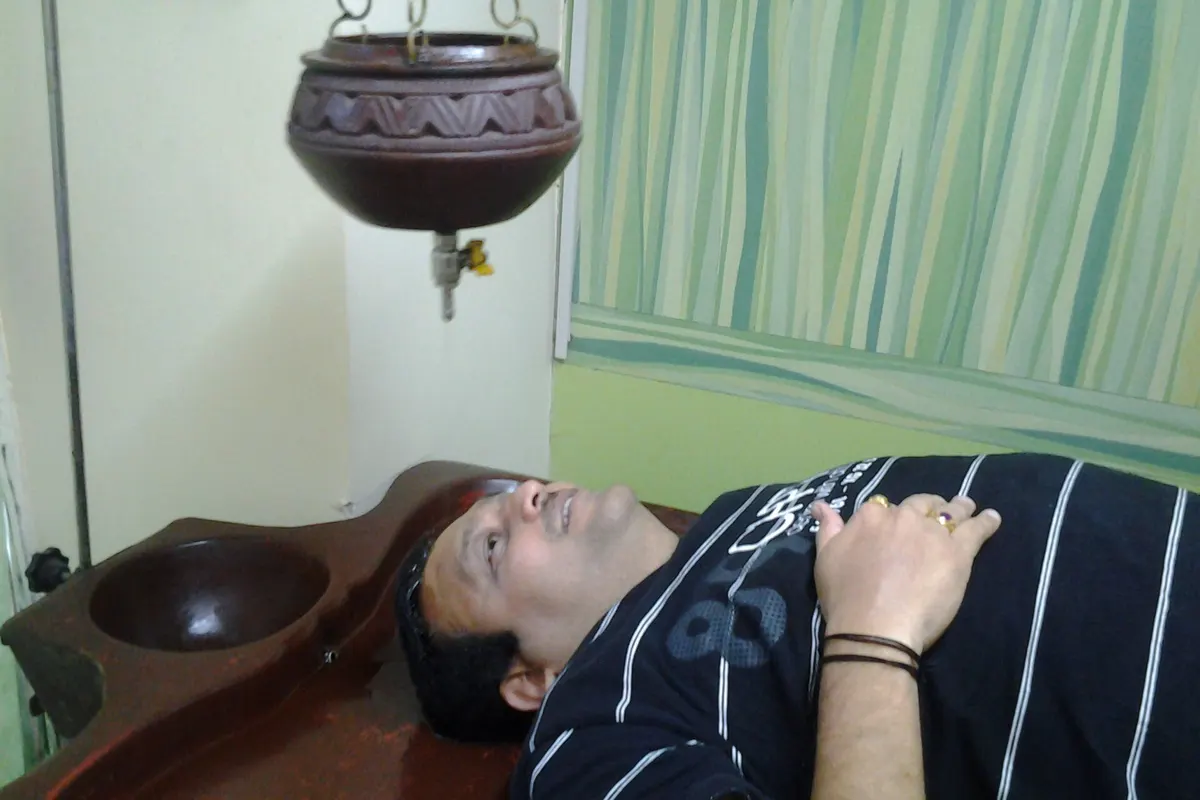
Day 7 and the Week After
Day 7 is the start of recovery: you eat rice gruel, feel lighter but weak, and go home with a written diet and routine for the next 1 to 2 weeks. The course is not over when you leave.
The doctor sees you before discharge. You get a step-by-step diet, usually rice water, then gruel, dal soup and khichdi, and normal meals by about Day 12. You also get any medicines to continue, and a date for follow-up.
At home, avoid travel, heavy work, cold drinks, fried food and late nights for at least a week. Many people notice better sleep, a lighter body and a clearer mind by the end of the second week. Long-standing problems change more slowly, over weeks to months.
The first three days at home are the easiest to get wrong. Relatives visit, meals get richer and work calls start again. Keep visitors short and meals simple. If you feel heavy, bloated or weak, go back one step in the diet and call the clinic. A short phone check-in on Day 3 at home is part of our routine for this reason.
In a small study, 20 women went through a 5-day Panchakarma programme. Three months later, their health habits and depression scores had improved, though overall quality of life had not changed much (Conboy and colleagues, 2009). Another study, with 65 participants, found changes in 12 blood fat markers after a 6-day programme, compared with 54 people who did not take part (Peterson and colleagues, 2016). Both were small, but they suggest the days after the course matter.
Panchakarma Experience: Myths vs Facts
Most expectations about the Panchakarma experience come from spa packages, so the real course often surprises people.
| Myth | Fact |
|---|---|
| It is a relaxing spa week. | Massage days are relaxing. Ghee days and the cleanse day are hard work for the body. |
| You feel great straight away. | Most people feel tired for 1 to 2 days after the cleanse, then lighter. |
| You can work full days during the course. | Light work is possible on some days. The cleanse day and the next day need rest. |
| Every day has a main cleanse. | A Virechana course has one main cleanse day. The other days prepare and recover. |
| The course ends when you leave the clinic. | The recovery diet and routine at home are part of the treatment. |
A Typical 7-Day Course We See
Most first-time patients are surprised by the ghee days and pleased by the week after. Here is a composite example, with details changed for privacy.
A 45-year-old school principal from Ludhiana came for long-term acidity and poor sleep. She started the preparation diet at home and arrived on a Monday. The first massage relaxed her so much she slept 9 hours. On Wednesday, the third ghee day, she felt sick and wanted to quit. We lowered the next dose a little and she carried on. By Thursday her stools were oily and her appetite was coming back.
Virechana on Saturday went smoothly, with 16 motions over about 5 hours. She slept from 7 pm. On Sunday she went home with a diet chart. At follow-up a month later, her acidity was much calmer and she was sleeping through the night. She kept taking her thyroid tablet every day of the course. Don’t stop or change your prescribed medicines for Panchakarma.
Plan Your 7-Day Panchakarma Course
If you are thinking about Panchakarma, the first step is a consultation. Dr. Amita Abrol will tell you if a 7-day course suits your problem, which cleanse fits, and how to prepare at home. Course prices are listed on the Panchakarma wellness journeys page.
Book a Clinic Visit in Amritsar Consult Online
Clinic: Dr. Abrol Ayurveda & Panchkarma Hospital, Amritsar · Phone / WhatsApp: +91-9878039127
About the Author
Dr. Amita Abrol is an Ayurvedic physician and Panchakarma specialist in Amritsar, Punjab. She holds a BAMS (Gold Medalist) and an MS in Gynaecology & Obstetrics (Stree Prasuti Tantra). She plans every Panchakarma course herself and sees each patient on the key days: before the ghee, before the cleanse and before discharge. She also sees patients in India and abroad through online consultations.
Experience: 14+ years of supervised Panchakarma practice. Clinic address and phone are listed in the site footer.
References
- Bhatted S, Shukla VD, Thakar A, Bhatt NN. A study on Vasantika Vamana (therapeutic emesis in spring season): a preventive measure for diseases of Kapha origin. AYU, 2011;32(2):181-186.
- Conboy L, Edshteyn I, Garivaltis H. Ayurveda and Panchakarma: measuring the effects of a holistic health intervention. The Scientific World Journal, 2009;9:272-280.
- Peterson CT, et al. Identification of altered metabolomic profiles following a Panchakarma-based Ayurvedic intervention in healthy subjects. Scientific Reports, 2016;6:32609.
- Rais A, Bhatted S. Clinical study to evaluate the effect of Virechanakarma on serum electrolytes. AYU, 2013;34(4):379-382.
- Charaka Samhita, Siddhi Sthana, Chapter 1 (Kalpana Siddhi): preparation, the main cleanse and the recovery diet.
Images: “Ayurveda Tips 05” by Lifecareayurveda, CC BY-SA 4.0 (Wikimedia Commons, cropped and resized). Oil massage photo from Pexels, Pexels License. Herbal bundle photo: Dr. Abrol Ayurveda website image library. Used for education; not photographs of patients at this hospital.
Medical disclaimer: This article is for education and does not replace a consultation with your doctor. Do not stop or change prescribed medicine on your own. Chest pain, fainting, vomiting or loose motions that will not stop, blood in vomit or stools, or a high fever needs urgent care at a hospital.
Have questions about your own symptoms?
Every case is different. Book a consultation with Dr. Abrol for a treatment plan personalised to your Prakriti and health history.
In This Article
- What Happens During Panchakarma?
- Before You Arrive: the Week at Home
- Days 1 and 2: Consultation, Massage and the First Ghee
- Days 3 and 4: When the Ghee Gets Harder
- Day 5: Rest, Massage and Steam
- Day 6: The Main Cleanse
- Day 7 and the Week After
- Panchakarma Experience: Myths vs Facts
- A Typical 7-Day Course We See
- Plan Your 7-Day Panchakarma Course
- About the Author
- References
Book a Consultation
Get a personalised Ayurvedic treatment plan from Dr. Abrol - in clinic or online.
Dr. Amita Abrol
Gold Medalist BAMS, MS Gynaecology
Common Questions
Frequently Asked Questions
Bring loose cotton clothes you do not mind getting oily, an old towel, warm socks, slippers, a shawl and a cap for after steam. Pack all your regular medicines with the prescriptions, your recent reports and a water bottle you can fill with warm water. Leave heavy snacks and sweets at home.
For a Basti or massage-based course, most adults manage alone. For Virechana or Vamana, it is better to have someone with you on the main day and the day after, because you may feel weak or light-headed. If you travel alone, tell the clinic so they can plan the main day around you.
Light use is fine, but try to keep screens short, especially on the ghee days and the main cleanse day. Ayurveda advises rest for the eyes and mind during the course, and many patients sleep better when they put the phone away by 9 pm. Plan important work for before or after the course.
On most days, treatments take about 1.5 to 3 hours at the clinic, including the massage, steam and any Basti. The ghee days are shorter. The main cleanse day is the longest, as you stay for several hours until it is complete. The rest of the day is for rest, light meals and sleep.
Most people feel tired for a day or two after the main cleanse, then lighter and clearer as the recovery diet goes on. For long-standing problems such as skin conditions or joint pain, changes usually show over weeks to months, with medicines and diet. Feeling worse for more than a week needs a check-up.
For a seasonal cleanse or one focused problem, a 7-day course is often enough when the preparation and recovery are done at home. Older or more complex problems may need 14 to 21 days, or two courses a few months apart. The doctor advises after your consultation.
Continue Exploring
Related Treatments & Conditions
Keep Reading
More on Panchakarma & Detox
Ready to Start Your Ayurvedic Healing Journey?
Book a clinic visit or online consultation with Dr. Abrol, based on what you've just read.