Panchakarma & Detox
Panchakarma Diet: What to Eat Before, During and After the Cleanse
The food you eat around Panchakarma decides how well it works and how strong you feel after it. Dr. Amita Abrol explains what to eat before the cleanse, on the ghee days and on the main day, and gives a simple 7-day recovery diet.
- Published October 18, 2026
- 9 minutes read
- Medically reviewed
- By Dr. Amita Abrol
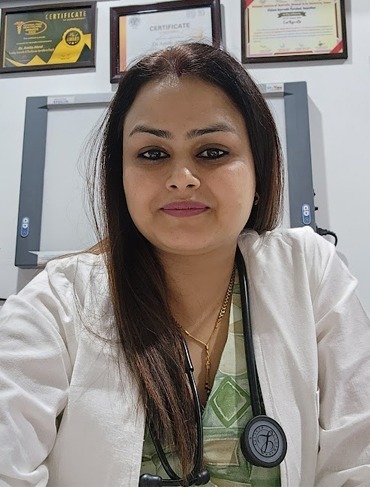
Personally supervised by Dr. Amita Abrol
Gold Medalist BAMS · MS Gynaecology & Obstetrics · 14+ years experience
Key takeaways
- The Panchakarma diet has three stages: before the cleanse, during the ghee days and after the main cleanse.
- Before Panchakarma, eat light, warm, freshly cooked food to strengthen digestion.
- On ghee days, eat only when truly hungry; warm rice gruel is the usual meal.
- After Virechana or Vamana, follow Samsarjana Krama: rice water, gruel, dal soup, khichdi, then normal food.
- The recovery diet lasts about 2 to 7 days, depending on how strong the cleanse was.
- Cold drinks, fried food, curd at night and alcohol are avoided throughout the course.
- People with diabetes need a sugar plan for the light-food days; never change medicines on your own.
In This Article
- Why Does Diet Matter So Much in Panchakarma?
- What to Eat Before Panchakarma
- What to Eat on the Ghee Days (Snehapana)
- What to Eat on the Day of Virechana or Vamana
- What to Eat After Panchakarma: the Recovery Diet
- Foods to Avoid During and After Panchakarma
- Panchakarma Diet: Myths vs Facts
- A Typical Diet Story From Our Clinic
- Get a Panchakarma Diet Plan Made for You
- About the Author
- References
By Dr. Amita Abrol, BAMS (Gold Medalist), MS · Ayurvedic Physician & Panchakarma Specialist, Amritsar · Medically reviewed · Last updated: 17 November 2026
How this article was prepared: Written by Dr. Amita Abrol from the diet charts we give patients during Panchakarma at our Amritsar clinic, and checked against the Charaka Samhita chapters on oleation and the recovery diet. Research figures link to their sources below. Your own diet plan depends on your health, so treat this as a guide. Author credentials: Dr. Amita Abrol.
Quick answer: A Panchakarma diet has three parts. Before the cleanse, eat light, warm, home-cooked food. On the ghee days, eat only when hungry, usually warm rice gruel. After the main cleanse, follow the recovery diet: rice water, then gruel, dal soup and khichdi, and normal meals over 3 to 7 days.
Why Does Diet Matter So Much in Panchakarma?
Diet matters because Panchakarma works through your digestion: food prepares the gut before the cleanse and rebuilds it after. Ayurveda calls this digestive strength Agni. A weak Agni makes the ghee hard to digest and the recovery slow.
Panchakarma treatment has three stages, and each has its own food rules. In our clinic, more problems come from food mistakes than from the treatments. A patient eats chhole bhature the evening after Virechana, and the next morning he is bloated and weak. The treatment was fine. The plate was the problem.
| Stage | What to eat | What to avoid |
|---|---|---|
| Before (3 to 5 days) | Moong dal, rice, khichdi, cooked vegetables, warm water with dry ginger | Fried food, sweets, meat, cold drinks, late dinners |
| Ghee days (3 to 7 days) | Warm rice gruel or thin khichdi, only when hungry | Heavy meals, cold water, curd, snacks between meals |
| Main cleanse day | Nothing until the cleanse ends, then thin rice water | Solid food, milk, fruit |
| After (3 to 7 days) | Rice water, gruel, moong dal soup, khichdi, then normal light meals | Rushing back to rich, spicy or restaurant food |
What to Eat Before Panchakarma
Before Panchakarma, eat light, warm, freshly cooked food for 3 to 5 days so your digestion is strong enough for the ghee. This stage is called Deepana and Pachana, which means kindling the digestive fire and clearing undigested food.
A typical day at this stage looks like this:
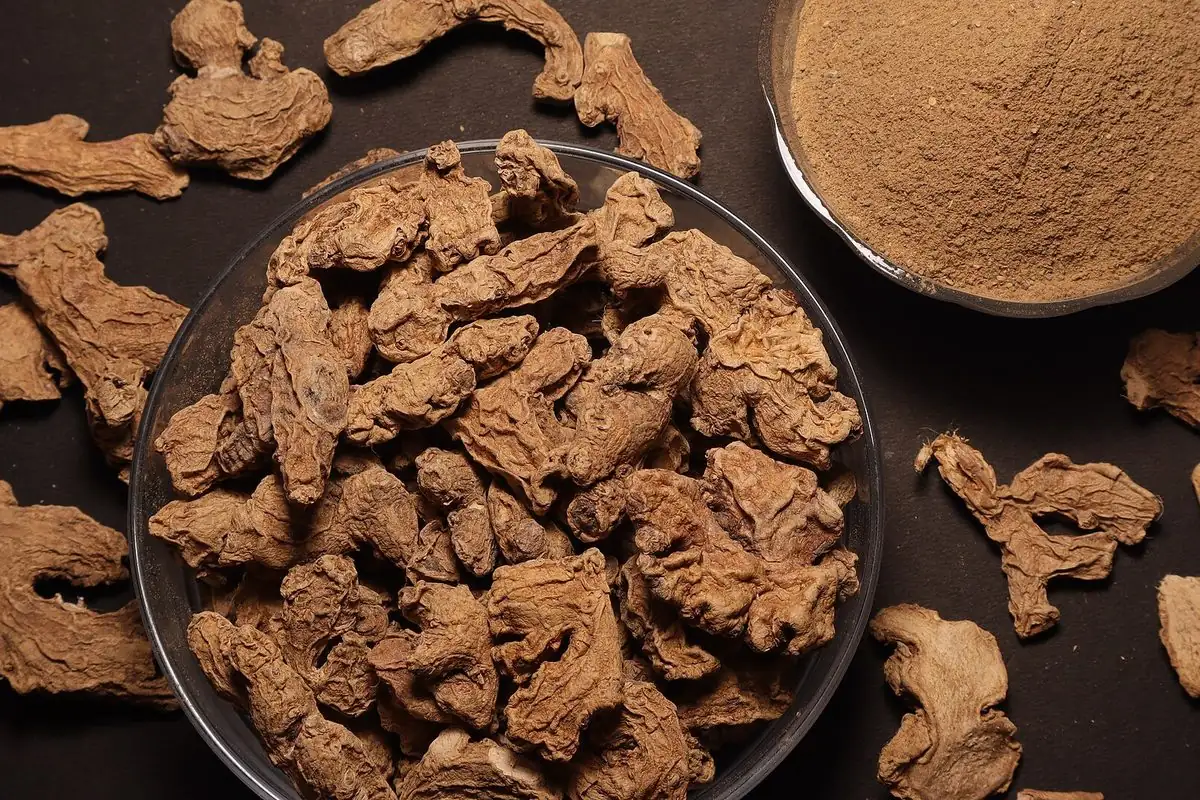
- On waking: a glass of warm water. Add a pinch of dry ginger (sonth) if your doctor allows.
- Breakfast: moong dal chilla, poha or a small bowl of dalia, only if you feel hungry.
- Lunch: rice or one or two phulkas with moong dal and a cooked green vegetable such as lauki or tori.
- Dinner by 7:30 pm: khichdi or vegetable soup, lighter than lunch.
Your doctor may also give herbs that boost digestion. Signs that you are ready for the ghee include a clean tongue, real hunger at mealtimes and no heaviness after food.
If you are travelling for Panchakarma
Many of our patients come from Delhi, Canada or the UK. You can start this stage at home before you fly. Cut out fried food, alcohol and late dinners a week before. Switch to home-style dal, rice and cooked vegetables. Drink warm water instead of cold. Patients who do this arrive with a lighter stomach, and their ghee days usually go more smoothly. Long flights dry the body and upset digestion, so plan a rest day after you land before the ghee starts.
What to Eat on the Ghee Days (Snehapana)
On the ghee days, eat only when you are truly hungry, keep meals warm and liquid, and sip warm water through the day. The ghee needs all your digestive strength, so heavy food is kept away.
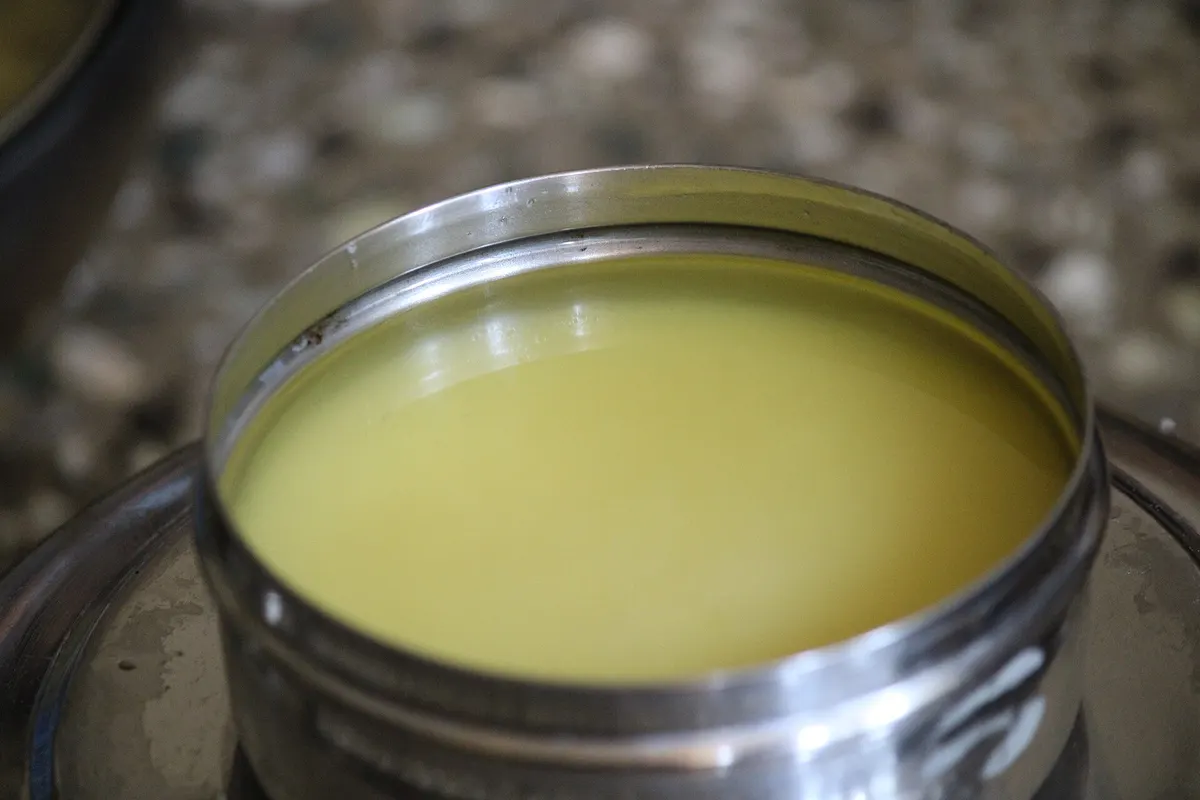
Each morning you drink medicated ghee on an empty stomach. The dose rises day by day. In a study of 69 people who had spring Vamana, the ghee went from about 36 ml on the first day to about 187 ml on the last, over an average of 5 days (Bhatted and colleagues, 2011). That is a lot of fat to digest.
- Morning: the ghee, then only warm water until you feel hungry. This may be midday or later.
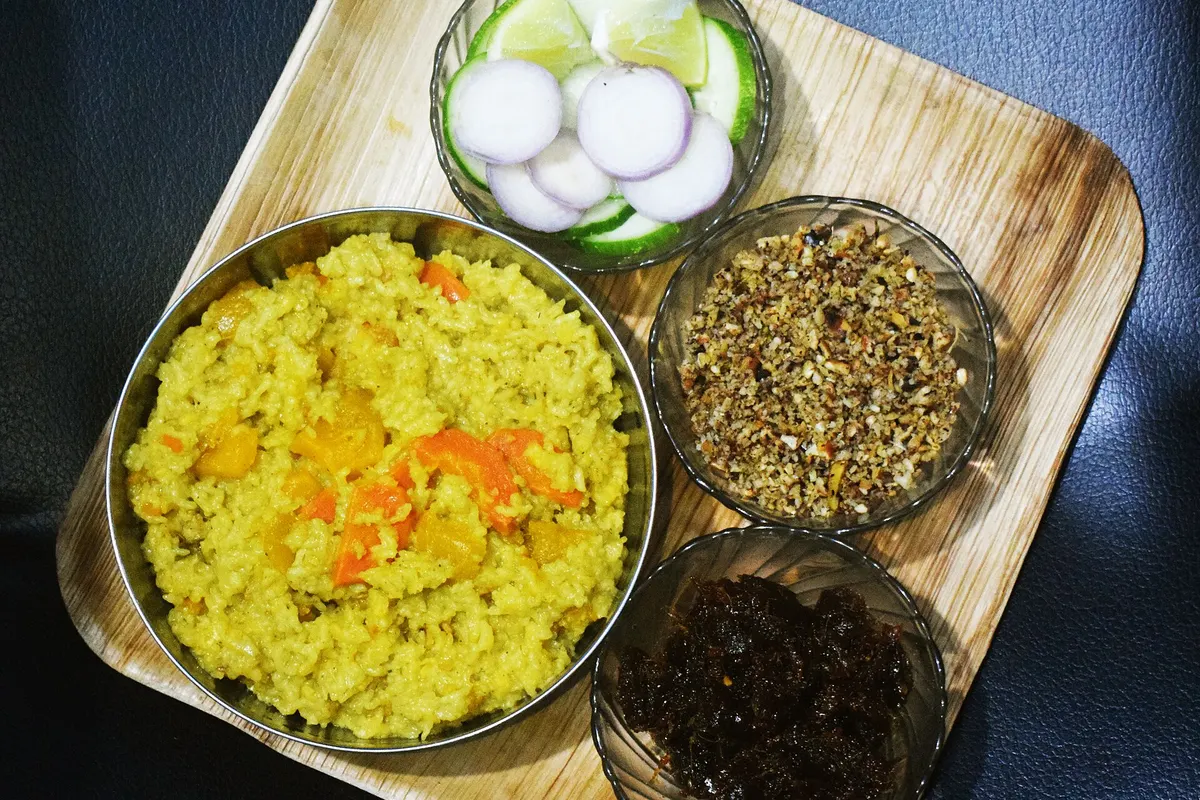
- First meal: thin rice gruel (peya) or very thin khichdi with a pinch of salt.
- Evening: the same, smaller. No snacks in between.
Patients often worry the ghee will raise cholesterol. In 29 healthy volunteers, rising ghee doses did not raise total or LDL cholesterol, and triglycerides fell (Mulay, 2021). Feeling nauseous or heavy on these days is common. Our post on Panchakarma side effects explains what is normal.
What to Eat on the Day of Virechana or Vamana
On the main cleanse day, you take the medicine on an empty stomach and eat nothing solid until the cleanse is complete. Food starts again with thin rice water once the motions or vomiting have fully stopped.
The day before the cleanse, the diet changes with the treatment. Before Virechana, the evening meal is light and warm. Before Vamana, the doctor may give a Kapha-raising dinner such as curd rice or urad dal. This brings Kapha up for the next morning. Follow the plan you are given, not a general list.
During the cleanse you sip warm water, or water with a little salt and sugar if you feel weak. When it is over, rest first. The first meal is usually thin rice water in the late afternoon or evening.
Keep the evening quiet. A warm bath, rice water and an early night help more than any extra food. Family members often bring sweets or fruit to cheer the patient up. Thank them, and save it for next week.
What to Eat After Panchakarma: the Recovery Diet
After the main cleanse, Ayurveda prescribes Samsarjana Krama, a step-by-step diet that moves from rice water to normal food over about 3 to 7 days. It is like restarting a fire with small sticks before adding logs.
The Charaka Samhita (Siddhi Sthana, chapter 1) describes the order. It starts with Peya (thin rice water), then Vilepi (thick rice gruel), then Akrita Yusha (plain lentil soup) and Krita Yusha (lightly spiced lentil soup). Normal meals come last. A strong cleanse needs more days of this. A mild one needs fewer.
A sample 7-day recovery diet
| Day | Main meals | Tips |
|---|---|---|
| Day 1 (evening of the cleanse) | Thin rice water (peya) with a pinch of salt | Small bowls, only when hungry |
| Day 2 | Peya in the morning, thick rice gruel (vilepi) later | Warm water between meals |
| Day 3 | Rice gruel, then plain moong dal soup with soft rice | No spices yet, apart from salt |
| Day 4 | Moong dal soup with a little cumin and ginger, soft rice | Add a few drops of ghee |
| Day 5 | Thin khichdi with cooked lauki or tori | Two meals plus a light breakfast if hungry |
| Day 6 | Khichdi or rice with dal and a cooked vegetable | One phulka if digestion feels good |
| Day 7 | Normal light home meals | Keep dinner early and small |
If your cleanse was mild, the doctor may shorten this to 3 or 4 days. If you feel heavy or lose your appetite, step back one stage for a day. The body tells you when it is ready.
Signs you are ready for the next step
- You feel real hunger before the next meal, not just habit
- The last meal did not leave you heavy, gassy or sleepy
- Your tongue is fairly clean in the morning
- Stools are formed and easy to pass
If two or more of these are missing, stay at the same stage one more day. There is no prize for finishing the recovery diet fast.
Foods to Avoid During and After Panchakarma
During Panchakarma and for about a week after, avoid cold drinks, fried and packaged food, curd at night, raw salads, red meat and alcohol. All of these are heavy, cold or hard to digest.
- Cold things: fridge water, ice cream, cold drinks and chilled fruit
- Heavy or fried food: pakoras, samosas, parathas with butter, rajma and chhole
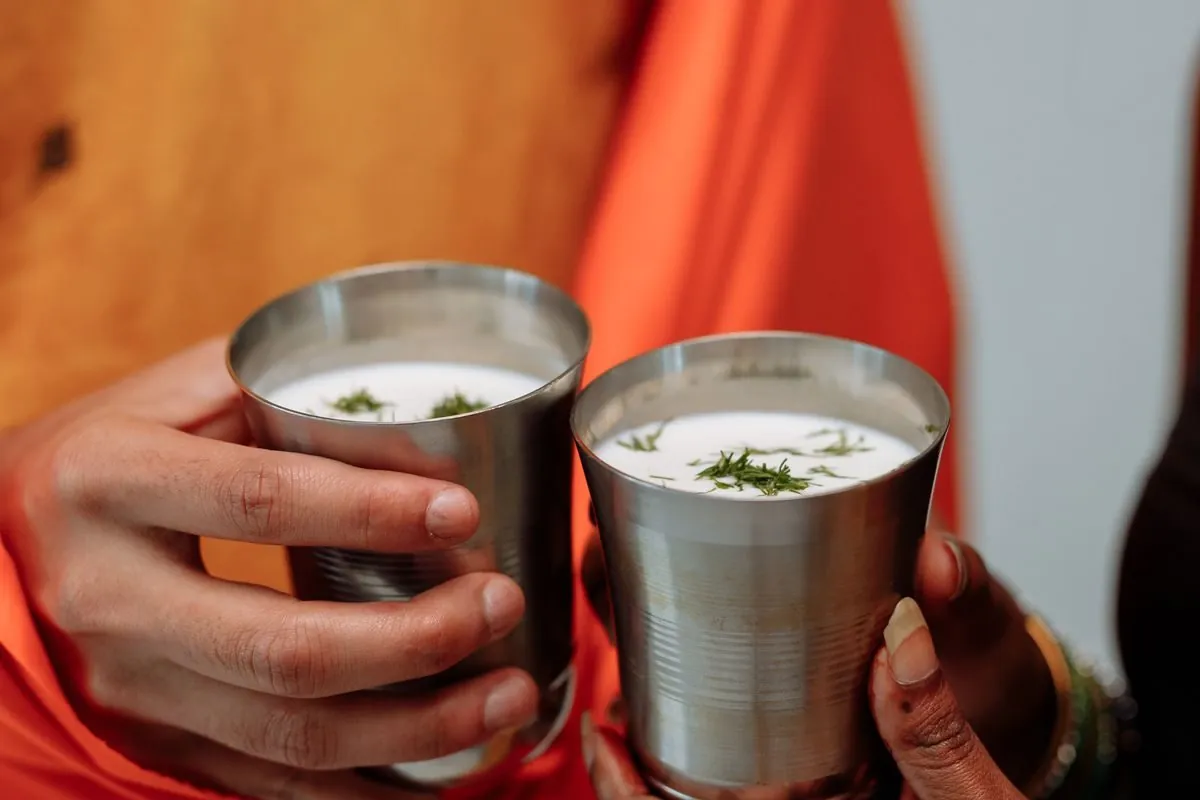
- Curd at night: fresh, thin buttermilk at lunch is often allowed later in recovery
- Raw food: salads and sprouts, until digestion is fully back
- Meat, eggs and fish, and all alcohol and smoking
- Junk and packaged food: chips, biscuits, instant noodles and bakery items
Some kitchen spices help rather than harm. Cumin, a little dry ginger, black pepper, hing (asafoetida), fresh coriander and a pinch of rock salt are used in small amounts from the middle of the recovery diet. They support digestion without making food heavy. Red chilli, garam masala and pickles wait until the second week.
Habits count as much as food. Avoid sleeping in the day, heavy exercise, long travel, loud late nights and very hot sun during the course. If acidity or bloating comes back later, our guide to acidity, bloating and IBS may help. For a skin-focused eating plan, see the psoriasis diet.
Panchakarma Diet: Myths vs Facts
The biggest diet myth is that Panchakarma means starving. In fact it means eating the right food at the right time, in the right amount.
| Myth | Fact |
|---|---|
| Panchakarma means fasting for days. | Long fasts weaken you before the cleanse. Light, warm meals are the rule. |
| After the cleanse you can eat anything. | Digestion is weakest right after. Heavy food then causes most bloating and weakness. |
| Juice and salads are the best detox food. | Cold, raw food is hard to digest during Panchakarma. Warm cooked food is better. |
| All that ghee will make you fat. | The ghee is given for a few days and then cleared. In one study weight and triglycerides fell slightly. |
| The diet is the same for everyone. | Your doctor changes it for your body, the season and conditions such as diabetes. |
A Typical Diet Story From Our Clinic
The most common diet mistake we see is eating normally too soon after the cleanse. Here is a composite example, with details changed for privacy.
A 41-year-old teacher from Batala had Virechana for acidity and recurring mouth ulcers. Her cleanse went well. On day 3 of recovery she felt fine, so she ate a full lunch of rajma chawal and pickle at a family function. That night she was bloated, sour and exhausted.
We moved her back to moong dal soup and rice for two days, with dry ginger water. Her appetite returned on day 6. Two months later, the acidity was much calmer and the ulcers had not come back. She still keeps dinner light on most days. Results differ for each person, but this pattern is common.
A 6-day programme with herbs, a vegetarian diet, yoga and massage changed 12 blood fat markers in 65 healthy adults compared with 54 who did not take part (Peterson and colleagues, 2016). Food is part of the treatment, not a side note. Don’t stop or change your prescribed medicines when you change your diet. Ask your doctor first.
Get a Panchakarma Diet Plan Made for You
Every Panchakarma diet is adjusted for the person: your digestion, your weight, your sugar levels and the season. Dr. Amita Abrol can plan your full course, including what to eat before you arrive and after you go home.
Book Online Consultation Visit the Clinic in Amritsar
Clinic: Dr. Abrol Ayurveda & Panchkarma Hospital, Amritsar · Phone / WhatsApp: +91-9878039127
About the Author
Dr. Amita Abrol is an Ayurvedic physician and Panchakarma specialist in Amritsar, Punjab. She holds a BAMS (Gold Medalist) and an MS in Gynaecology & Obstetrics (Stree Prasuti Tantra). She writes a stage-by-stage diet chart for every Panchakarma patient, from the preparation days to the first week back home. She also sees patients in India and abroad through online consultations.
Experience: 14+ years of supervised Panchakarma practice. Clinic address and phone are listed in the site footer.
References
- Bhatted S, Shukla VD, Thakar A, Bhatt NN. A study on Vasantika Vamana (therapeutic emesis in spring season): a preventive measure for diseases of Kapha origin. AYU, 2011;32(2):181-186.
- Mulay MS. Short term escalating administration of large amount of sneha does not increase blood lipids. Journal of Ayurveda and Integrative Medicine, 2021;12(3):535-539.
- Peterson CT, et al. Identification of altered metabolomic profiles following a Panchakarma-based Ayurvedic intervention in healthy subjects. Scientific Reports, 2016;6:32609.
- Charaka Samhita, Siddhi Sthana, Chapter 1 (Kalpana Siddhi): Samsarjana Krama, the graded diet after the cleanse.
- Charaka Samhita, Sutra Sthana, Chapter 13 (Sneha Adhyaya): food and conduct during oleation.
Images: “Vegetable Khichdi 1” by Dolon Prova, CC BY-SA 4.0; “Dry Ginger 1” by Piyush Kothari, CC BY-SA 4.0; “Pure Ghee-Homemade-Maharashtra” by Phadke09, CC BY-SA 4.0 (Wikimedia Commons, cropped and resized). Buttermilk photo from Pexels, Pexels License. Used for education; not photographs of patients at this hospital.
Medical disclaimer: This article is for education and does not replace a consultation with your doctor. Do not stop or change prescribed medicine on your own. Chest pain, fainting, vomiting or loose motions that will not stop, blood in vomit or stools, or a high fever needs urgent care at a hospital.
Have questions about your own symptoms?
Every case is different. Book a consultation with Dr. Abrol for a treatment plan personalised to your Prakriti and health history.
In This Article
- Why Does Diet Matter So Much in Panchakarma?
- What to Eat Before Panchakarma
- What to Eat on the Ghee Days (Snehapana)
- What to Eat on the Day of Virechana or Vamana
- What to Eat After Panchakarma: the Recovery Diet
- Foods to Avoid During and After Panchakarma
- Panchakarma Diet: Myths vs Facts
- A Typical Diet Story From Our Clinic
- Get a Panchakarma Diet Plan Made for You
- About the Author
- References
Book a Consultation
Get a personalised Ayurvedic treatment plan from Dr. Abrol - in clinic or online.
Dr. Amita Abrol
Gold Medalist BAMS, MS Gynaecology
Common Questions
Frequently Asked Questions
It is best to stop tea and coffee during the course, or cut down to one small cup of weak tea a day. Both dry the body and upset the digestive fire that the ghee days are trying to build. Warm water, dry ginger water or cumin water are better choices. If you get a caffeine headache, cut down slowly a week before.
Not during the course. Meat, eggs and fish are heavy to digest and are avoided from the preparation days until the recovery diet ends. Classical texts allow a thin meat soup late in the recovery diet for some people, but in our clinic we usually keep it vegetarian and add meat back slowly after a week.
Most fresh fruit is cold and raw, so it is kept out on the ghee days and the first recovery days. Later in the recovery diet, a cooked apple or a little papaya at midday is usually fine. Avoid bananas, melons and fruit juices from the fridge until your appetite is fully back.
People with diabetes follow the same stages, but meals are spaced and sized to keep sugar steady. Rice water may be swapped for moong dal water, and sugar checks are done more often. Never skip meals or change insulin or tablets on your own. Your doctor and physician should plan the doses together.
The strict recovery diet lasts 2 to 7 days, depending on how strong the cleanse was. After that, keep meals simple and warm for about two more weeks, with early dinners and no alcohol or junk food. This is when digestion settles, so the habits you keep now matter most.
Not in the sense of going without food for days. Ayurveda uses light food and sometimes a skipped meal to strengthen digestion, but long fasts weaken the body before a cleanse. On the main day, food is held only until the cleanse is complete, and then rice water starts the same evening.
Continue Exploring
Related Treatments & Conditions
Keep Reading
More on Panchakarma & Detox
Ready to Start Your Ayurvedic Healing Journey?
Book a clinic visit or online consultation with Dr. Abrol, based on what you've just read.