
Ayurvedic Lifestyle
Psoriasis Diet: Foods to Eat and Avoid, Explained by an Ayurvedic Doctor
No single food causes psoriasis, but your diet can calm or worsen flares. Dr. Amita Abrol explains what research shows, the foods to eat and avoid, wrong food combinations in Ayurveda, and a simple winter day plan.
- Published October 13, 2026
- 8 minutes read
- Medically reviewed
- By Dr. Amita Abrol

Personally supervised by Dr. Amita Abrol
Gold Medalist BAMS · MS Gynaecology & Obstetrics · 14+ years experience
Key takeaways
- No single food causes psoriasis, but your eating pattern, weight and digestion affect flares.
- The strongest evidence: lose weight if you are overweight, and eat a Mediterranean-style diet.
- Go gluten-free only if a test shows gluten sensitivity.
- Ayurveda's key rules: bitter vegetables, light meals, and no wrong combinations such as milk with fish.
- Make lunch the main meal and finish a light dinner by 7:30 pm, especially in winter.
In This Article
- Can Diet Really Affect Psoriasis?
- How Ayurveda Links Food and Psoriasis
- Best Foods for Psoriasis: What to Eat
- Foods to Avoid in Psoriasis
- Wrong Food Combinations (Viruddha Ahara)
- A Sample One-Day Indian Diet for Psoriasis in Winter
- How to Find Your Own Food Triggers
- Psoriasis Diet: Myths vs Facts
- What This Looks Like in Practice
- More in This Psoriasis Series
- About the Author
- Get a Psoriasis Diet Plan Made for You
- References
By Dr. Amita Abrol, BAMS (Gold Medalist), MS · Ayurvedic Physician, Amritsar · Last updated: 13 October 2026
Quick answer: No single food causes psoriasis, but diet can make flares better or worse. The strongest evidence is for losing weight if you are overweight and eating a Mediterranean-style diet rich in vegetables, whole grains and healthy fats. Ayurveda adds two rules: avoid wrong food combinations (Viruddha Ahara) such as milk with fish, and keep meals light and easy to digest, especially in winter.
Can Diet Really Affect Psoriasis?
Yes, but diet supports treatment rather than replacing it. Research shows that losing weight helps overweight people with psoriasis, and that people who eat a Mediterranean-style diet tend to have milder psoriasis. Evidence on single foods is weak.
Here is what the research shows:
- The US National Psoriasis Foundation (2018) reviewed 55 studies, including 4,534 people with psoriasis. It strongly recommends weight loss for overweight patients. It recommends a gluten-free diet only for people who test positive for gluten sensitivity.
- A French study of 3,557 people with psoriasis found that those who ate the most Mediterranean-style food (vegetables, fruit, whole grains, olive oil, less red meat) had less severe psoriasis.
- A Danish trial of 60 overweight patients found that a low-calorie diet helped people lose about 15 kg more than the control group. Their quality of life improved, and their psoriasis showed a trend towards improvement.
So food matters. It is not a replacement for treatment, but it decides how hard your skin has to work. In winter, when we eat heavier food and move less, this matters even more. Read why psoriasis gets worse in winter for the full picture.
How Ayurveda Links Food and Psoriasis
In Ayurveda, psoriasis (Ek Kushta) begins with weak digestion. Undigested food forms toxins (Ama) that disturb the blood and skin. Charaka lists wrong food combinations, excess sour, salty and heavy food, and eating before the last meal is digested among the main causes of skin disease.
The classical causes of Kushta (skin disease) in the Charaka Samhita include:
- Eating incompatible foods together, such as milk with fish
- Too much curd, sour, salty or fermented food
- Too much urad dal, sesame, jaggery and heavy sweets
- Overeating, or eating before the last meal is digested
- Sleeping in the day after a heavy meal
That is why an Ayurvedic doctor looks at how and when you eat, not only what. If your digestion is weak, see our guide to agni and digestion.
Best Foods for Psoriasis: What to Eat
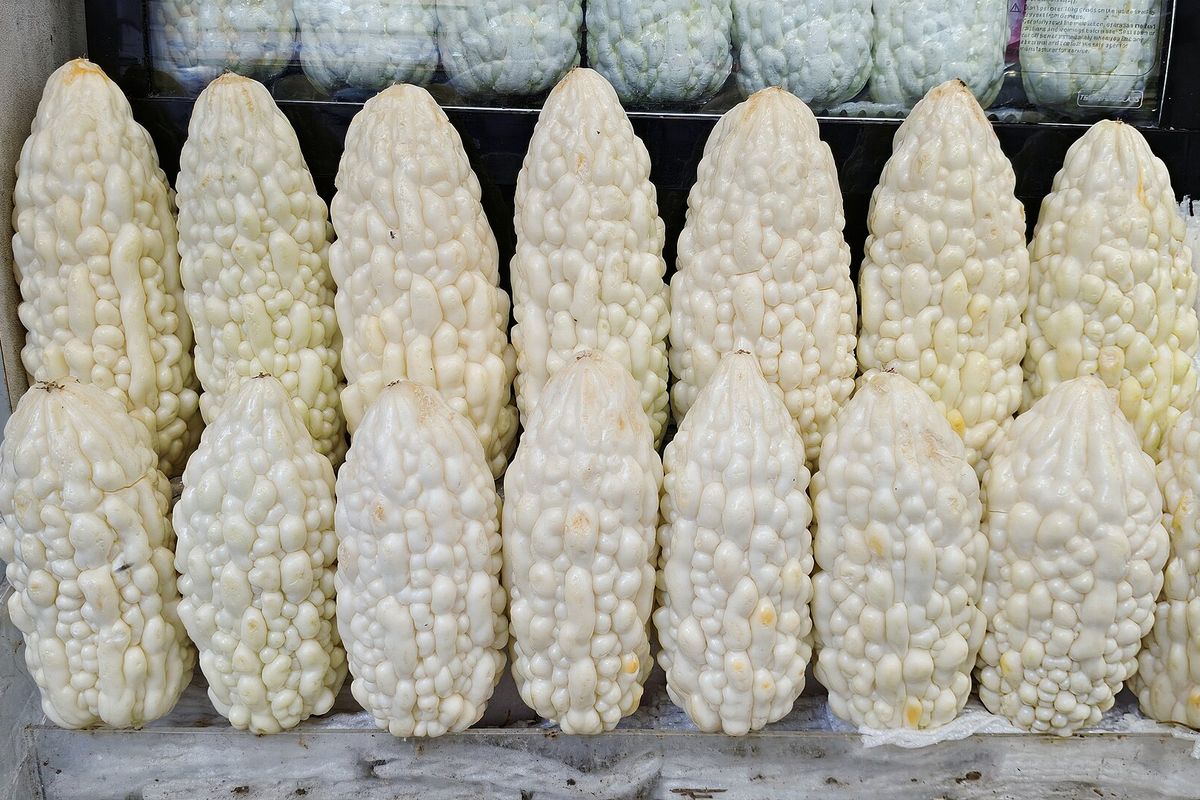
The best foods for psoriasis are light, fresh and easy to digest: bitter vegetables such as karela and parwal, moong dal, barley, old rice, cooked seasonal greens, turmeric, amla and a little ghee. In Ayurveda, bitter (tikta) taste is the most helpful for skin.
| Eat more | Examples | Why it helps |
|---|---|---|
| Bitter vegetables | Karela, parwal (pointed gourd), methi | Bitter taste clears heat and toxins in Ayurveda |
| Light grains | Barley (jau), old rice, whole wheat roti, daliya | Easy to digest, steady energy |
| Light pulses | Moong dal, masoor dal | Protein without heaviness |
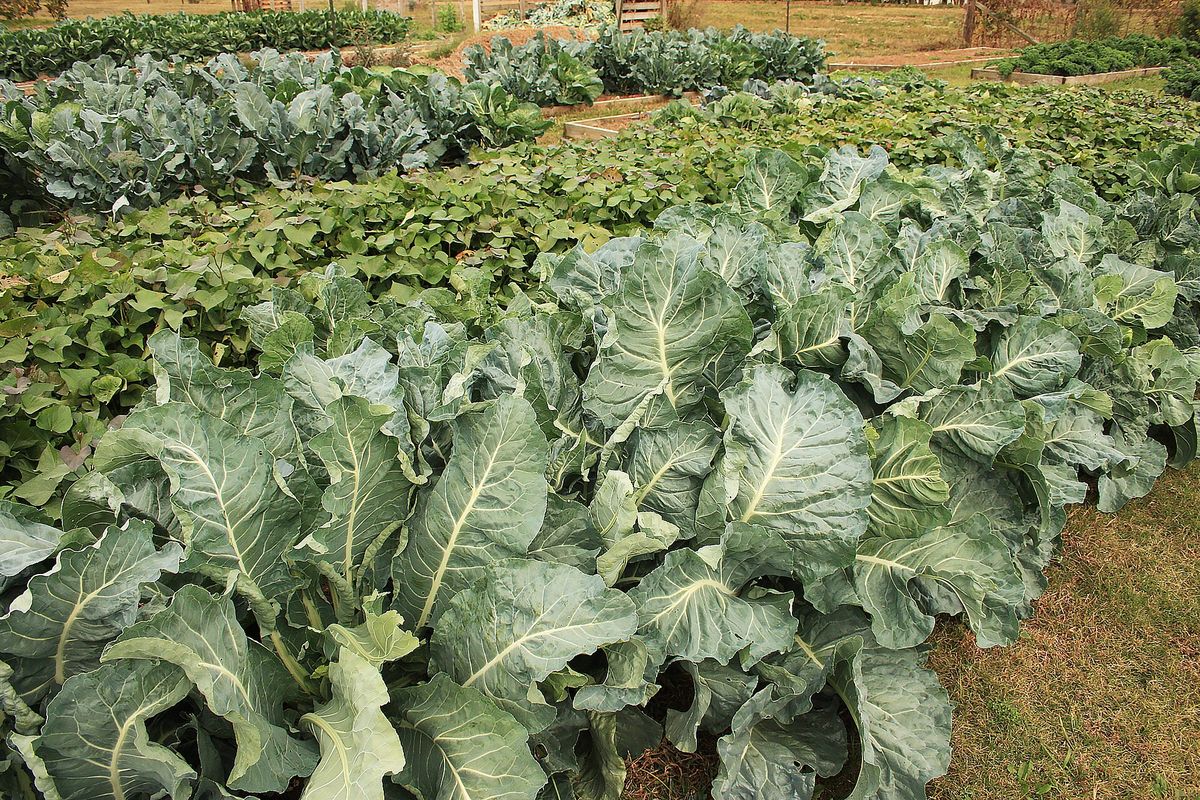
| Cooked vegetables | Lauki, tinda, tori, carrot, cooked greens | Fibre and nutrients, gentle on the gut |
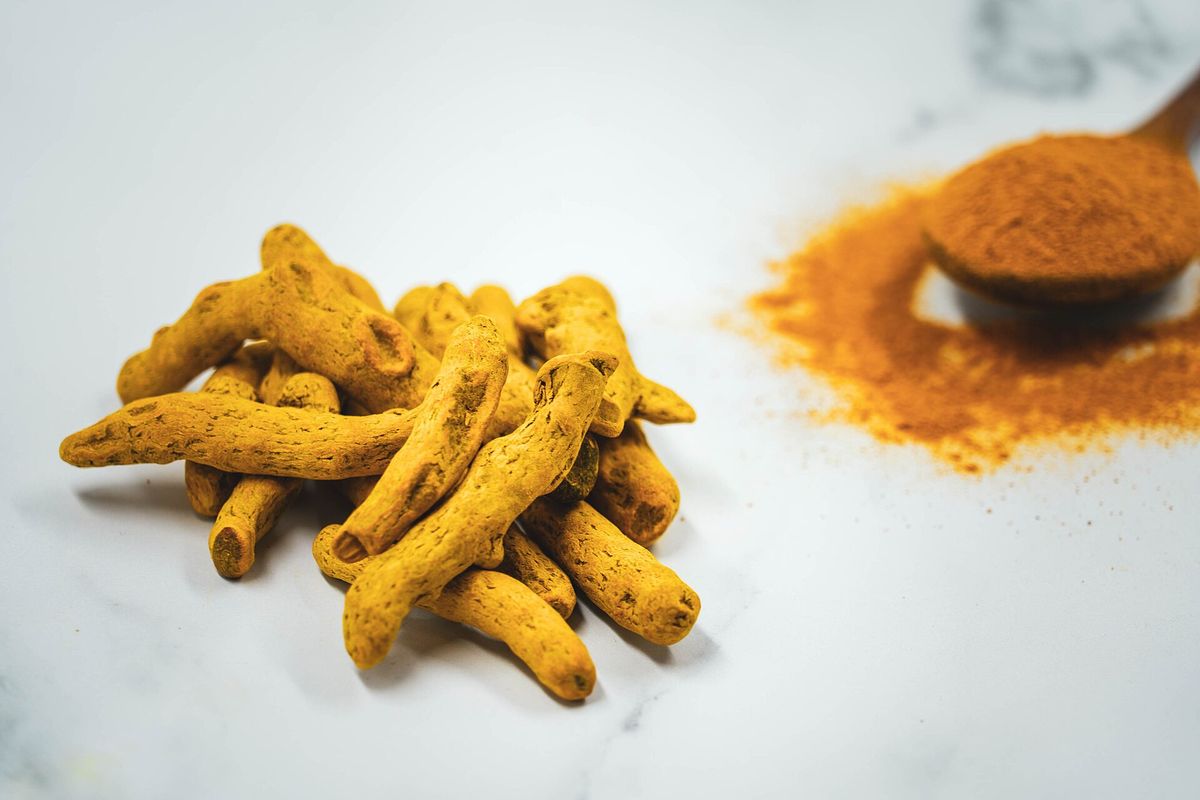
| Spices | Turmeric, cumin, coriander | Support digestion. Turmeric is anti-inflammatory |
| Healthy fats | A little ghee, olive oil, walnuts, flaxseed | Keep skin from drying. Part of a Mediterranean-style diet |
| Fruits | Amla, pomegranate, apple, papaya | Vitamins and antioxidants |
Foods to Avoid in Psoriasis
Limit curd (especially at night), very sour or salty food, pickles, fried snacks, maida, heavy sweets, red meat, urad dal and alcohol. These are classic Ayurvedic triggers, and alcohol, sugary drinks and processed food are also linked with worse psoriasis in modern studies.
| Avoid or limit | Ayurvedic reason | Modern view |
|---|---|---|
| Curd at night, sour food, pickles | Sour and fermented food aggravates blood and skin | Very salty, processed food is linked with inflammation |
| Fried snacks, maida, bakery items | Heavy, forms Ama | Adds calories and weight |
| Heavy sweets, jaggery in excess | Raises Kapha | Sugar is linked with weight gain |
| Fish and red meat | Heavy. Fish with milk is incompatible | Mediterranean diets limit red meat |
| Urad dal, rajma, chole in excess | Heavy to digest | Fine in moderation if digestion is good |
| Alcohol | Heating and toxic to blood and liver | Linked with more severe psoriasis |
Wrong Food Combinations (Viruddha Ahara)
Viruddha Ahara means foods that are harmful when eaten together, even if each is fine alone. Ayurveda names it as a key cause of skin disease. The most common examples are milk with fish, milk with salty or sour food, fruit with milk, and curd at night.
- Milk with fish or meat, the classical example in the Charaka Samhita
- Milk with salty or sour food, such as milk tea with salty snacks, or milk with citrus fruit
- Fruit shakes made with milk, such as banana or mango shake
- Curd at night, or heated curd
- Honey that is cooked or added to very hot drinks
Modern science hasn't tested most of these combinations. But in our clinic, removing them is one of the simplest changes, and many patients notice less itching within a few weeks.
A Sample One-Day Indian Diet for Psoriasis in Winter
A good psoriasis day starts with warm water, has lunch as the main meal, and ends with a light dinner by 7:30 pm. Here is a simple winter plan you can adapt. People living abroad can keep the same pattern with local vegetables.
| Time | What to eat |
|---|---|
| On waking | 1–2 glasses of warm water |
| Breakfast | Vegetable daliya or moong dal chilla, with herbal tea (no milk tea on an empty stomach) |
| Mid-morning | An apple, a pomegranate or one amla |
| Lunch (main meal) | 2 wheat or barley rotis, moong dal, karela or lauki sabzi, cooked greens, a small salad |
| Evening | Roasted chana or a few walnuts, with jeera or saunf water |
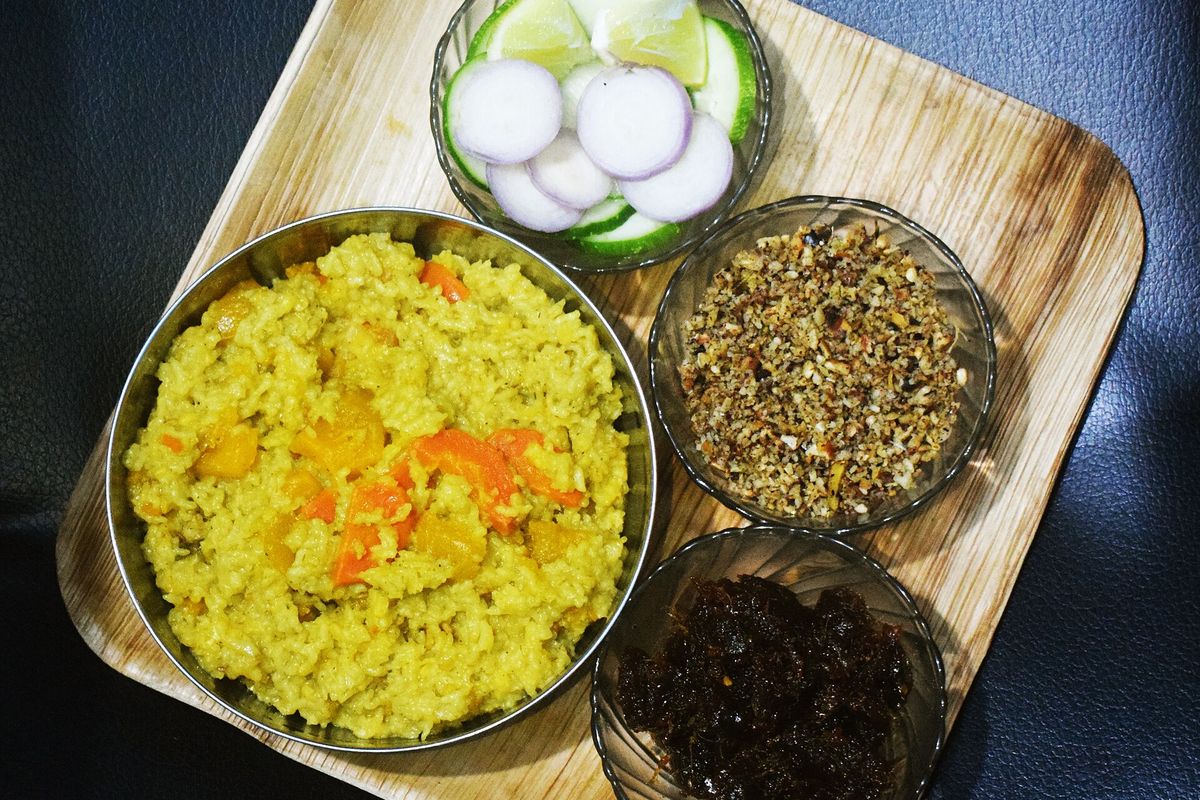
| Dinner by 7:30 pm | Moong dal khichdi with vegetables and 1 teaspoon of ghee |
How to Find Your Own Food Triggers
The easiest way to find your food triggers is a simple four-week food and skin diary. Write down what you eat, when you eat and how your skin and itching feel each day. Then remove one suspected food at a time for two weeks and watch for change.
- Week 1–2: Eat as usual. Note every meal, its time, and an itch score from 0 to 10 each evening.
- Look for patterns: Does itching rise the day after curd at night, sweets, alcohol or a late dinner?
- Week 3–4: Remove one suspect at a time. Don't cut out whole food groups at once.
- Take the diary to your doctor. It makes your consultation far more useful.
Psoriasis Diet: Myths vs Facts
The biggest diet myth is that one “miracle food” or one banned food explains psoriasis. In reality, your overall eating pattern, weight and digestion matter far more than any single item.
| Myth | Fact |
|---|---|
| “Everyone with psoriasis should go gluten-free.” | Only people who test positive for gluten sensitivity are advised to. |
| “All dairy must be stopped.” | Ayurveda limits curd at night and wrong combinations. A little ghee or buttermilk at lunch is often fine. |
| “Turmeric alone will clear psoriasis.” | Turmeric supports digestion and inflammation control, but it is one part of a plan. |
| “Diet doesn't matter for skin.” | Weight loss and a Mediterranean-style diet are linked with milder psoriasis. |
| “Fasting will clean out the toxins.” | Long fasts can weaken digestion. Light, regular meals are better. |
What This Looks Like in Practice
A composite example, typical of what we see. Details changed for privacy.
A 34-year-old IT professional living in Toronto had scalp and elbow psoriasis that flared every winter. Her usual dinner was pasta with cheese or curd rice at 9 pm, and she often had a banana milkshake after the gym.
In an online consultation, we moved dinner to 7 pm, swapped curd rice for moong dal khichdi, stopped the milkshakes and added bitter vegetables three times a week, along with internal medicines. Over three months, the itching dropped first, then the scaling. She still has psoriasis, but her winter flare was much milder than the year before.
More in This Psoriasis Series
- Part 1: Why psoriasis gets worse in winter
- Part 2: Psoriasis diet: foods to eat and avoid (you are here)
- Treatment overview: Ayurvedic care for psoriasis
About the Author
Dr. Amita Abrol is an Ayurvedic physician and Panchakarma specialist in Amritsar, Punjab. She holds a BAMS (Gold Medalist) and an MS in Gynaecology & Obstetrics (Stree Prasuti Tantra). She treats long-term skin conditions such as psoriasis, eczema and lichen planus with internal medicines, diet plans and Panchakarma, and sees patients from India and abroad through online consultations.
Get a Psoriasis Diet Plan Made for You
The right diet depends on your digestion, your body type and your patches. In a video consultation, Dr. Abrol reviews what you eat, when you eat and how you digest. She then gives you a personal diet chart along with internal medicines, wherever you live.
We work alongside your dermatologist and never ask you to stop prescribed treatment on your own.
Write down everything you eat for three days before your consultation. It helps us find your triggers faster.
References
- Ford AR et al. Dietary Recommendations for Adults With Psoriasis or Psoriatic Arthritis From the Medical Board of the National Psoriasis Foundation: A Systematic Review — JAMA Dermatology, 2018.
- Phan C et al. Association Between Mediterranean Anti-inflammatory Dietary Profile and Severity of Psoriasis: Results From the NutriNet-Santé Cohort — JAMA Dermatology, 2018.
- Jensen P et al. Effect of weight loss on the severity of psoriasis: a randomized clinical study — JAMA Dermatology, 2013.
- Charaka Samhita, Chikitsa Sthana, Chapter 7 (Kushta Chikitsa).
- Charaka Samhita, Sutra Sthana, Chapter 26 (Viruddha Ahara).
Images: “Vegetable Khichdi 1” by Dolon Prova, CC BY-SA 4.0; “White bitter gourd” by Suyash Dwivedi, CC BY-SA 3.0; “Turmeric Root and Turmeric Powder” by formulatehealth, CC BY 2.0; “Leafy Greens in Garden” by Alabama Extension, CC0. Wikimedia Commons images cropped.
Medical disclaimer: This article is for education and does not replace an individual consultation. Never stop or change prescribed medicine without speaking to your doctor. If you notice any of the warning signs above, seek medical care promptly.
Have questions about your own symptoms?
Every case is different. Book a consultation with Dr. Abrol for a treatment plan personalised to your Prakriti and health history.
In This Article
- Can Diet Really Affect Psoriasis?
- How Ayurveda Links Food and Psoriasis
- Best Foods for Psoriasis: What to Eat
- Foods to Avoid in Psoriasis
- Wrong Food Combinations (Viruddha Ahara)
- A Sample One-Day Indian Diet for Psoriasis in Winter
- How to Find Your Own Food Triggers
- Psoriasis Diet: Myths vs Facts
- What This Looks Like in Practice
- More in This Psoriasis Series
- About the Author
- Get a Psoriasis Diet Plan Made for You
- References
Book a Consultation
Get a personalised Ayurvedic treatment plan from Dr. Abrol - in clinic or online.
Dr. Amita Abrol
Gold Medalist BAMS, MS Gynaecology
Common Questions
Frequently Asked Questions
Common triggers are alcohol, very salty or sour food, fried and processed food, heavy sweets and, for some people, red meat. Ayurveda also warns against curd at night and wrong combinations such as milk with fish. Triggers vary, so a food diary helps you find yours.
Milk on its own is not banned for most people. Ayurveda advises against milk with fish, salty or sour food, and fruit shakes made with milk. If milk causes bloating or mucus for you, reduce it and discuss it with your doctor.
Ayurveda advises avoiding curd at night and limiting it in general during a flare. Thin buttermilk (chaas) with roasted cumin at lunch is usually a better choice, because it is lighter and easier to digest.
Only if a blood test shows gluten sensitivity or celiac disease. The National Psoriasis Foundation recommends a gluten-free diet only for these people. For everyone else, there is no good evidence that cutting gluten helps.
Amla, pomegranate, apple and papaya are good choices. Eat fruit on its own between meals, not with milk or straight after a heavy meal.
Yes, if you are overweight. The National Psoriasis Foundation strongly recommends it, and a Danish trial found that overweight patients who lost weight had better quality of life and a trend towards milder psoriasis.
Many people notice less itching in 3 to 4 weeks, but changes in scaling and patch size usually take 2 to 3 months. Diet works best alongside the treatment your doctor prescribes.
Continue Exploring
Related Treatments & Conditions
Keep Reading
More on Ayurvedic Lifestyle
Ready to Start Your Ayurvedic Healing Journey?
Book a clinic visit or online consultation with Dr. Abrol, based on what you've just read.