Ayurvedic Lifestyle
Why Psoriasis Gets Worse in Winter: 7 Triggers and How Ayurveda Calms Flares (2026)
Cold air, heaters, less sunlight and festival season all push psoriasis up in winter. Dr. Amita Abrol explains the 7 triggers, how Ayurveda reads winter flares, and a daily routine that keeps them smaller.
- Published October 12, 2026
- 8 minutes read
- Medically reviewed
- By Dr. Amita Abrol

Personally supervised by Dr. Amita Abrol
Gold Medalist BAMS · MS Gynaecology & Obstetrics · 14+ years experience
Key takeaways
- In a 3-year study of 5,468 patients, moderate-to-severe psoriasis peaked in winter and clear skin peaked in summer.
- The 7 winter triggers: dry air, less sunlight, heaters and hot baths, throat infections, heavy food, festival stress and alcohol, and woollens.
- Ayurveda sees winter flares as raised Vata (dryness) plus Kapha and Ama (thick scales), so care works on both skin and digestion.
- Oil before a short lukewarm bath, moisturise within 3 minutes, get morning sun and wear cotton under wool.
- Whole-body redness, pus-filled spots, fever or swollen joints need prompt medical care.
In This Article
- Why Does Psoriasis Get Worse in Winter?
- 7 Winter Triggers That Cause Psoriasis Flare-Ups
- How Ayurveda Explains Winter Flares
- An Ayurvedic Winter Skin Routine for Psoriasis
- Winter Psoriasis: Myths vs Facts
- When Should You See a Doctor?
- What This Looks Like in Practice
- More in This Psoriasis Series
- About the Author
- Get a Winter Psoriasis Plan Before the Cold Peaks
- References
By Dr. Amita Abrol, BAMS (Gold Medalist), MS · Ayurvedic Physician, Amritsar · Last updated: 12 October 2026
Quick answer: Psoriasis often gets worse in winter because cold, dry air and indoor heating dry out the skin, there is less sunlight, and throat infections, heavy food and stress all rise. In Ayurveda, winter increases dry, cold Vata and heavy Kapha, the two doshas behind psoriasis. A simple daily routine of oiling, lukewarm baths, sunlight and lighter food can make winter flares smaller and less frequent.
Why Does Psoriasis Get Worse in Winter?
Psoriasis gets worse in winter for most people because the skin loses moisture, gets less sunlight and faces more triggers such as infections and stress. A large US study found that moderate-to-severe psoriasis was most common in winter, while clear skin was most common in summer.
That study looked at 5,468 people with psoriasis over three years. In winter, about 4 in 10 clinic visits (40.5%) showed moderate-to-severe psoriasis. In summer, clear or almost-clear skin was at its highest.
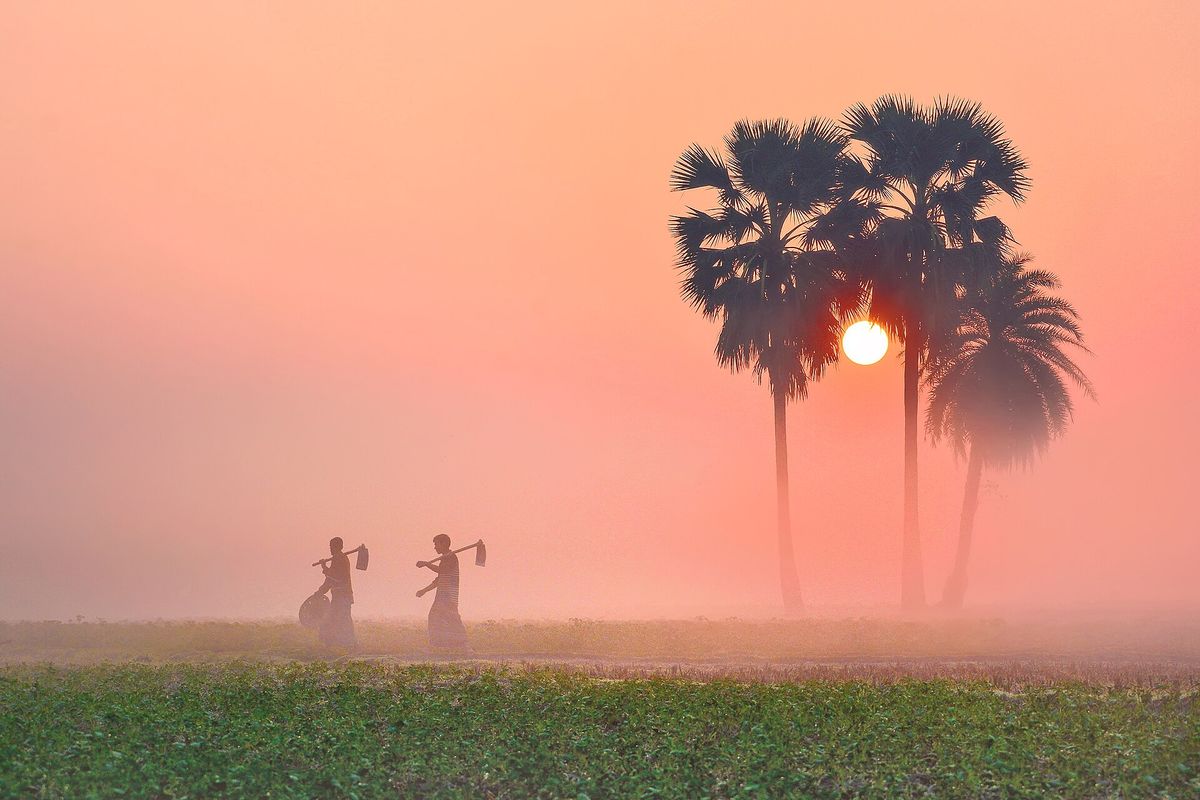
Psoriasis is common. The World Health Organization says it affects about 100 million people worldwide. In India, hospital studies put it at 0.44% to 2.8% of adults. In North India, where winters are cold, foggy and dry, we see a clear rise in patients from November to February.
7 Winter Triggers That Cause Psoriasis Flare-Ups
The seven main winter triggers are cold dry air, less sunlight, indoor heaters and hot baths, throat infections, heavy winter food, festival-season stress and alcohol, and rough woollen clothes. Most of them can be reduced with small daily changes.
1. Cold, Dry Air
Cold air holds very little moisture. The outer layer of skin dries, cracks and itches, and scratching makes plaques thicker.
2. Less Sunlight and Lower Vitamin D
Sunlight's UV rays slow down the fast skin-cell growth in psoriasis. That is why many people clear up in summer. A 2023 review of 23 studies also found that people with psoriasis had lower vitamin D levels than people without it. But vitamin D tablets alone did not improve psoriasis in trials, so take them only if a test shows you need them.
3. Room Heaters and Hot Baths
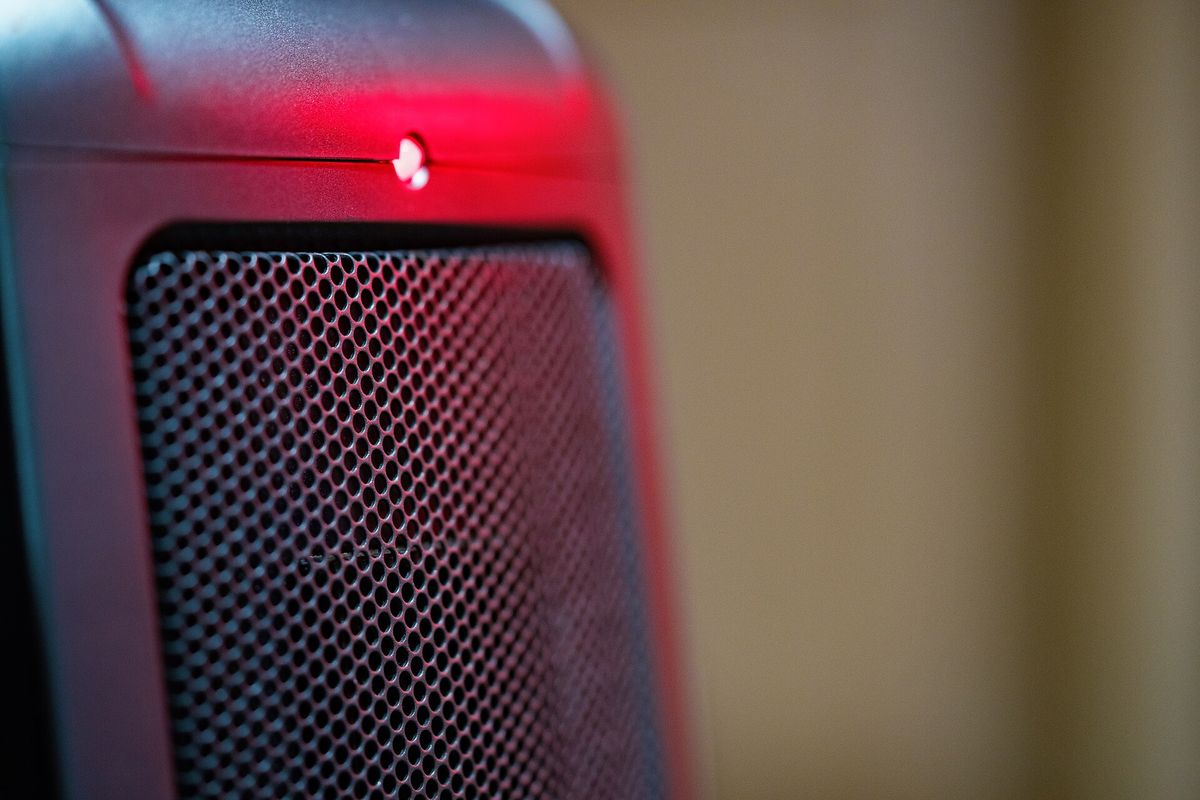
Heaters, blowers and long hot showers strip the skin's natural oils. A very hot bath feels good on itchy skin for a few minutes, then leaves it drier than before.
4. Throat Infections
Colds, flu and sore throats peak in winter. A strep throat infection can set off guttate psoriasis (small drop-like spots) about 2 to 3 weeks later, or a flare of existing plaques.
5. Heavy Winter Food and Less Exercise
Winter brings pinni, gajar halwa, fried snacks and late dinners, and people walk less. Weight gain makes psoriasis harder to control. The US National Psoriasis Foundation strongly recommends weight loss for overweight people with psoriasis. Read our guide to digestive fire to see why heavy food matters in Ayurveda.
6. Festival Season: Stress, Late Nights and Alcohol
Diwali, weddings and year-end work bring late nights, travel, sweets and alcohol. Stress is one of the most common triggers people report, and drinking is linked to more severe psoriasis.
7. Rough Woollens and Scratching
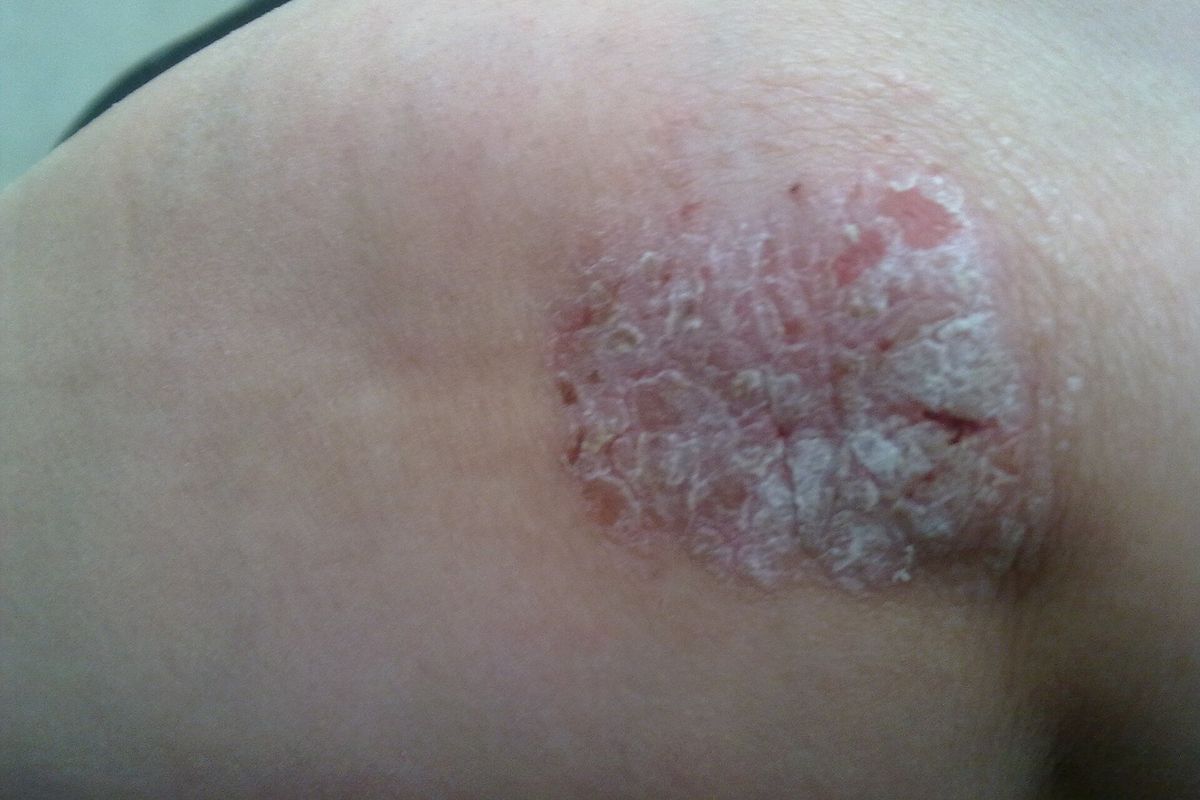
Wool rubbing on dry skin makes you scratch. In about 1 in 4 people with psoriasis, injured skin grows a new plaque. Doctors call this the Koebner effect.
| Winter trigger | What it does to your skin | What to do |
|---|---|---|
| Cold, dry air | Dries and cracks plaques, more itching | Oil and moisturise twice a day |
| Less sunlight | Skin cells grow faster, plaques thicken | 15–20 minutes of morning sun on affected skin, without burning |
| Heaters and hot baths | Strip natural oils | Lukewarm bath under 10 minutes. Keep a bowl of water near the heater |
| Throat infections | Can set off guttate psoriasis 2–3 weeks later | Treat sore throats early. Warm water and rest |
| Heavy food, less exercise | Weight gain, sluggish digestion | Early, light dinner. A 30-minute walk daily |
| Stress, alcohol, late nights | Raises inflammation | Sleep by 10:30 pm. Limit or avoid alcohol |
| Rough woollens | Scratching creates new plaques | A soft cotton layer under wool |
How Ayurveda Explains Winter Flares
Ayurveda calls psoriasis Ek Kushta, a skin disease driven mainly by Vata and Kapha. Winter's cold and dryness raise Vata, causing dryness and cracking, while heavy winter food and less activity build Kapha and toxins (Ama), causing thick, scaly patches.
The Charaka Samhita describes Ek Kushta with three signs: no sweating in the patch, large areas of skin involved, and scales that look like fish scales. This matches the silvery plaques of plaque psoriasis closely.
Ayurveda also divides winter into two seasons, Hemanta (early winter) and Shishira (late winter). In both, digestion is strong but the air is cold and dry. People eat more and heavier food, and if digestion can't keep up, toxins build. So winter care in Ayurveda works on both sides: keep the skin oiled and warm (calm Vata) and keep food light and digestion clean (control Kapha and Ama).
An Ayurvedic Winter Skin Routine for Psoriasis
The best winter routine is simple: oil the skin before a lukewarm bath, moisturise within three minutes of drying, get morning sun, wear cotton next to the skin, and eat a light, early dinner. Done every day, these steps matter more than any single cream.
Step 1: Oil Before You Bathe (Abhyanga)
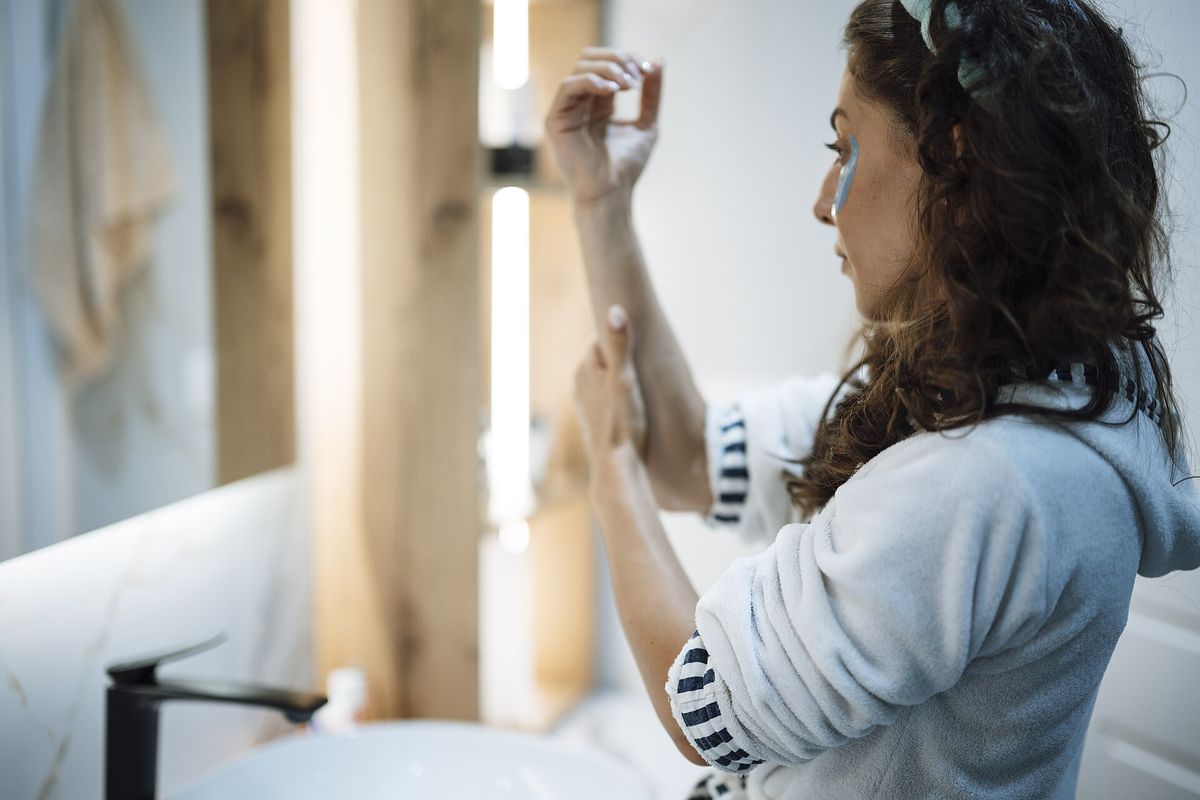
Gently apply lukewarm oil to the body 15–20 minutes before bathing. This is Abhyanga, the Ayurvedic oil massage. Coconut oil suits red, itchy skin. Your doctor may prescribe a medicated oil for thick plaques. Do a patch test first, and don't oil broken, oozing or pus-filled skin.
Step 2: Bathe in Lukewarm Water
Keep baths under 10 minutes in lukewarm water. Use a mild, soap-free cleanser. Pat dry, don't rub.
Step 3: Lock in Moisture
Apply a thick, fragrance-free moisturiser or your prescribed oil within three minutes of bathing, while the skin is still slightly damp. Repeat at night.
Step 4: Sun, Food and Sleep
- Morning sun: 15–20 minutes on affected skin before 10 am. Never let the skin burn.
- Light dinner by 7:30 pm: moong dal khichdi, vegetable soup or roti with lauki or tinda.
- Warm water through the day instead of cold drinks.
- Sleep by 10:30 pm. For stress-related flares, therapies such as Shirodhara can help.
Winter Psoriasis: Myths vs Facts
The most common winter myth is that a hot bath helps psoriasis. It soothes for a few minutes, then dries the skin further. Here are the myths we hear most often in clinic.
| Myth | Fact |
|---|---|
| “A hot bath calms the itch.” | Hot water strips skin oils. Lukewarm water is better. |
| “Psoriasis is contagious.” | It is not. It comes from the immune system, not from germs. |
| “More layers of wool keep it safe.” | Wool against the skin causes scratching. Wear cotton underneath. |
| “Vitamin D tablets will clear it.” | Low vitamin D is common, but tablets alone haven't improved psoriasis in trials. |
| “Winter flares are unavoidable.” | Starting your routine in October, before the cold, often keeps flares smaller. |
When Should You See a Doctor?
See a doctor quickly if your whole body turns red, pus-filled spots appear, you get a fever with a flare, or your joints become painful and swollen. These need prompt medical care, not home remedies.
- Redness and peeling over most of the body (erythrodermic psoriasis), which is an emergency
- Pus-filled bumps (pustular psoriasis)
- Fever, chills or skin that is hot and painful
- Swollen, painful joints or morning stiffness. Up to 30% of people with psoriasis develop psoriatic arthritis
- A flare that spreads quickly after a sore throat
What This Looks Like in Practice
A composite example, typical of what we see. Details changed for privacy.
A 41-year-old shopkeeper from Amritsar had plaque psoriasis on his elbows, knees and scalp. Every December it doubled in size. He took long hot baths, sat beside a heater in the shop and ate a heavy dinner at 10 pm.
From October, he oiled his skin before a short lukewarm bath, moisturised twice daily, wore cotton under his sweaters, sat in the morning sun and moved dinner to 7:30 pm. He also took internal Ayurvedic medicines prescribed for him. That winter, his plaques stayed about the size they were in autumn, and the itching at night settled. Results vary, but starting before the cold makes a real difference.
More in This Psoriasis Series
- Part 1: Why psoriasis gets worse in winter (you are here)
- Treatment overview: Ayurvedic care for psoriasis
About the Author
Dr. Amita Abrol is an Ayurvedic physician and Panchakarma specialist in Amritsar, Punjab. She holds a BAMS (Gold Medalist) and an MS in Gynaecology & Obstetrics (Stree Prasuti Tantra). She treats long-term skin conditions such as psoriasis, eczema and lichen planus with internal medicines, diet plans and Panchakarma, and sees patients from India and abroad through online consultations.
Get a Winter Psoriasis Plan Before the Cold Peaks
Don't wait for December's flare. In a video consultation, Dr. Abrol looks at your patches, your triggers, your diet and your current medicines, and builds a winter plan for you: internal medicines, oils, diet and, where needed, Panchakarma.
We work alongside your dermatologist and never ask you to stop prescribed treatment on your own. Patients join us from India, Canada, the UK, Australia, the USA and the Gulf.
Keep clear photos of your patches in daylight and a list of every cream and medicine you use.
References
- Pascoe VL, Kimball AB. Seasonal variation of acne and psoriasis: a 3-year study using the Physician Global Assessment severity scale — Journal of the American Academy of Dermatology, 2015. Summary.
- World Health Organization. Global Report on Psoriasis, 2016.
- Dogra S, Mahajan R. Psoriasis: Epidemiology, clinical features, co-morbidities, and clinical scoring — Indian Dermatology Online Journal, 2016.
- Psoriasis and Vitamin D: A Systematic Review and Meta-Analysis — Nutrients, 2023.
- Ford AR et al. Dietary Recommendations for Adults With Psoriasis or Psoriatic Arthritis From the Medical Board of the National Psoriasis Foundation — JAMA Dermatology, 2018.
- Psoriasis Association (UK). Psoriasis triggers.
- Charaka Samhita, Chikitsa Sthana, Chapter 7 (Kushta Chikitsa).
Images: “A foggy winter morning” by Abdul Momin, CC BY-SA 4.0; “Electric Ceramic Space Heater” by Tony Webster, CC BY 2.0; “Woman applying cream on her arm in a bathroom” by Shixart1985, CC BY 2.0; “Psoriasis in elbow” by Alborz Fallah, CC BY-SA 3.0. Wikimedia Commons images cropped.
Medical disclaimer: This article is for education and does not replace an individual consultation. Never stop or change prescribed medicine without speaking to your doctor. If you notice any of the warning signs above, seek medical care promptly.
Have questions about your own symptoms?
Every case is different. Book a consultation with Dr. Abrol for a treatment plan personalised to your Prakriti and health history.
In This Article
- Why Does Psoriasis Get Worse in Winter?
- 7 Winter Triggers That Cause Psoriasis Flare-Ups
- How Ayurveda Explains Winter Flares
- An Ayurvedic Winter Skin Routine for Psoriasis
- Winter Psoriasis: Myths vs Facts
- When Should You See a Doctor?
- What This Looks Like in Practice
- More in This Psoriasis Series
- About the Author
- Get a Winter Psoriasis Plan Before the Cold Peaks
- References
Book a Consultation
Get a personalised Ayurvedic treatment plan from Dr. Abrol - in clinic or online.
Dr. Amita Abrol
Gold Medalist BAMS, MS Gynaecology
Common Questions
Frequently Asked Questions
Cold, dry air and indoor heating dry the skin, there is less sunlight to slow skin-cell growth, and winter brings more throat infections, heavier food and festival stress. In Ayurveda, winter raises dry Vata and heavy Kapha, the two doshas linked with psoriasis.
For most people, yes. Cold air holds little moisture, so plaques dry, crack and itch more. A large US study found moderate-to-severe psoriasis was most common in winter and clear skin most common in summer.
Start early, ideally in October. Oil your skin before a short lukewarm bath, moisturise within three minutes, get 15 to 20 minutes of morning sun, wear cotton under wool, eat a light early dinner and treat sore throats quickly. See a doctor if the flare spreads fast.
Coconut oil suits red, itchy skin for many people, and a doctor may prescribe a medicated Ayurvedic oil for thick plaques. Always patch test first, and don't apply oil to broken, oozing or pus-filled skin.
Yes, in small amounts. UV light slows the fast skin-cell growth in psoriasis, which is why many people improve in summer. Aim for 15 to 20 minutes of morning sun on affected skin, and never let it burn, because sunburn can trigger new plaques.
Only if a blood test shows you are low. People with psoriasis often have lower vitamin D, but trials found vitamin D tablets alone did not improve psoriasis. Ask your doctor before starting supplements.
Psoriasis is not contagious, so it cannot spread to other people. But it can spread on your own skin during a flare, especially where skin is scratched or injured. Avoid scratching, keep skin moisturised and see a doctor if new patches keep appearing.
Continue Exploring
Related Treatments & Conditions
Keep Reading
More on Ayurvedic Lifestyle

Ready to Start Your Ayurvedic Healing Journey?
Book a clinic visit or online consultation with Dr. Abrol, based on what you've just read.