
Ayurvedic Lifestyle
Is Ashwagandha Safe? Side Effects, Liver Risk and Who Should Avoid It (2026)
Ashwagandha is safe for most healthy adults in short courses, but it is not safe for everyone. Dr. Amita Abrol explains what the 2026 liver studies really found, the side effects to watch for, and who should not take it without a doctor.
- Published October 3, 2026
- 12 minutes read
- Medically reviewed
- By Dr. Amita Abrol
Personally supervised by Dr. Amita Abrol
Gold Medalist BAMS · MS Gynaecology & Obstetrics · 14+ years experience
Key takeaways
- For most healthy adults, ashwagandha root at studied doses for up to 8 to 24 weeks appears safe.
- Liver injury is rare but real. It usually shows up 2 to 12 weeks after starting, and most people recover after stopping.
- Avoid it in pregnancy, liver disease and overactive thyroid. Talk to a doctor first if you take thyroid, diabetes, blood pressure or sleep medicines.
- Choose root, not leaf, in a single-herb product with a licence number. Multi-herb gummies and high-dose extracts carry more unknowns.
- Stop at once and get a liver test if you notice yellow eyes, dark urine, itching or nausea.
In This Article
- Why Is Everyone Asking About Ashwagandha in 2026?
- What Is Ashwagandha?
- What Do the Liver Studies Actually Say?
- Ashwagandha Side Effects: Common vs Rare
- Who Should Not Take Ashwagandha?
- Ashwagandha Myths vs Facts
- Root, Leaf or Extract: Why the Form Matters
- How Much Ashwagandha Is Safe, and for How Long?
- How Ayurvedic Doctors Use Ashwagandha Safely
- Warning Signs: When to Stop and See a Doctor
- A 7-Point Safety Checklist Before You Buy
- About the Author
- Not Sure If Ashwagandha Is Right for You?
- References
By Dr. Amita Abrol, BAMS (Gold Medalist), MS · Ayurvedic Physician, Amritsar · Last updated: 3 October 2026
Quick answer: For most healthy adults, ashwagandha root taken at the doses used in studies, for up to 8 to 24 weeks, appears safe. But it is not safe for everyone. Rare liver injury has been reported, it can push thyroid hormone up, and it should be avoided in pregnancy, liver disease and overactive thyroid. The safest way to take it is the Ayurvedic way: root, not leaf, the right dose, for a set time, and with a doctor watching.
Why Is Everyone Asking About Ashwagandha in 2026?
People are worried because ashwagandha has been in the news all year. Regulators in several countries are reviewing it, and reports of liver problems keep being shared online. At the same time, two large studies published in 2026 found no liver harm. No wonder people are confused.
Ashwagandha has gone from an Ayurvedic clinic herb to a global wellness product. You can now find it in capsules, gummies, sleep drinks and sports powders. Many people take it with no guidance at all.
Here is what has happened recently:
- 2023: Denmark banned ashwagandha in food supplements. Its experts said they could not set a safe lower limit.
- 2024: The UK Food Standards Agency asked for safety evidence. A Dutch health institute advised against using it.
- July 2026: Australia’s medicines regulator (TGA) warned of a “very rare” risk of liver injury, after a total of 11 reports.
- August–September 2026: Two large trials, with 1,200 and 1,002 adults, found no harm to the liver.
So which is it? Safe or risky? As a doctor who prescribes ashwagandha every week, I’ll walk you through what the research actually says, in plain words.
What Is Ashwagandha?
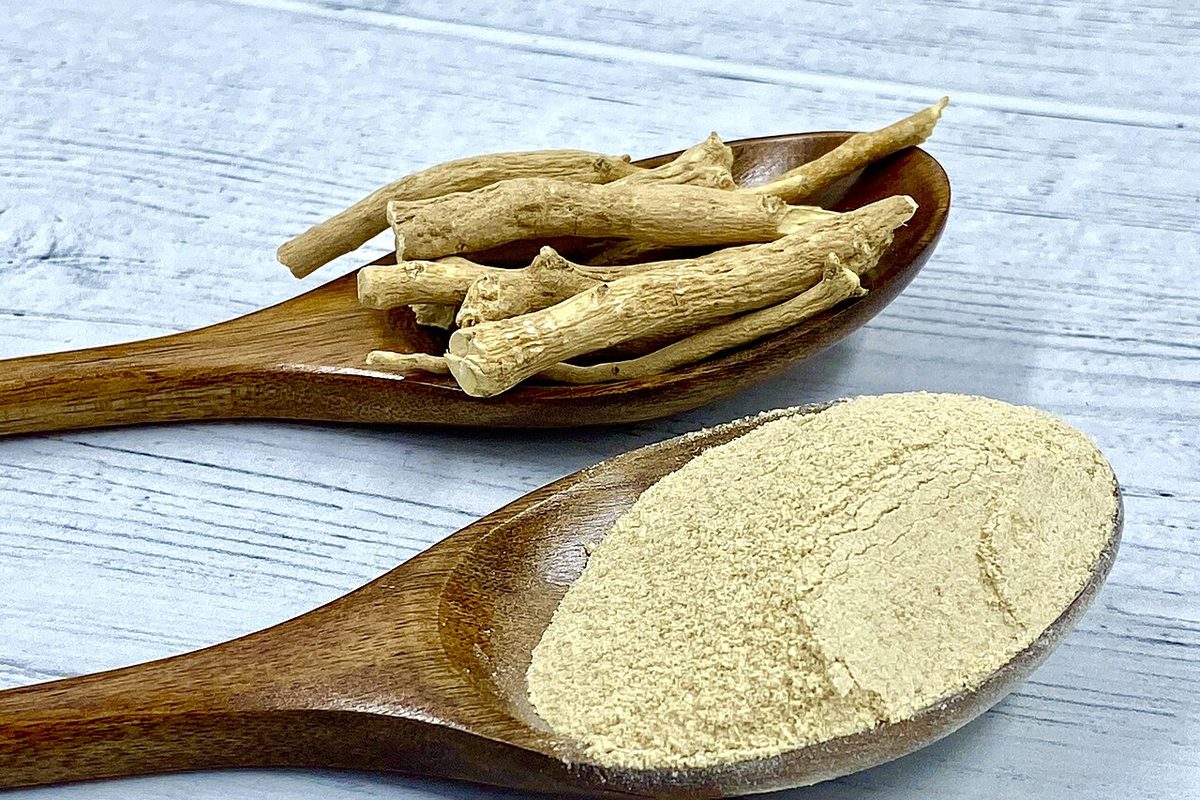
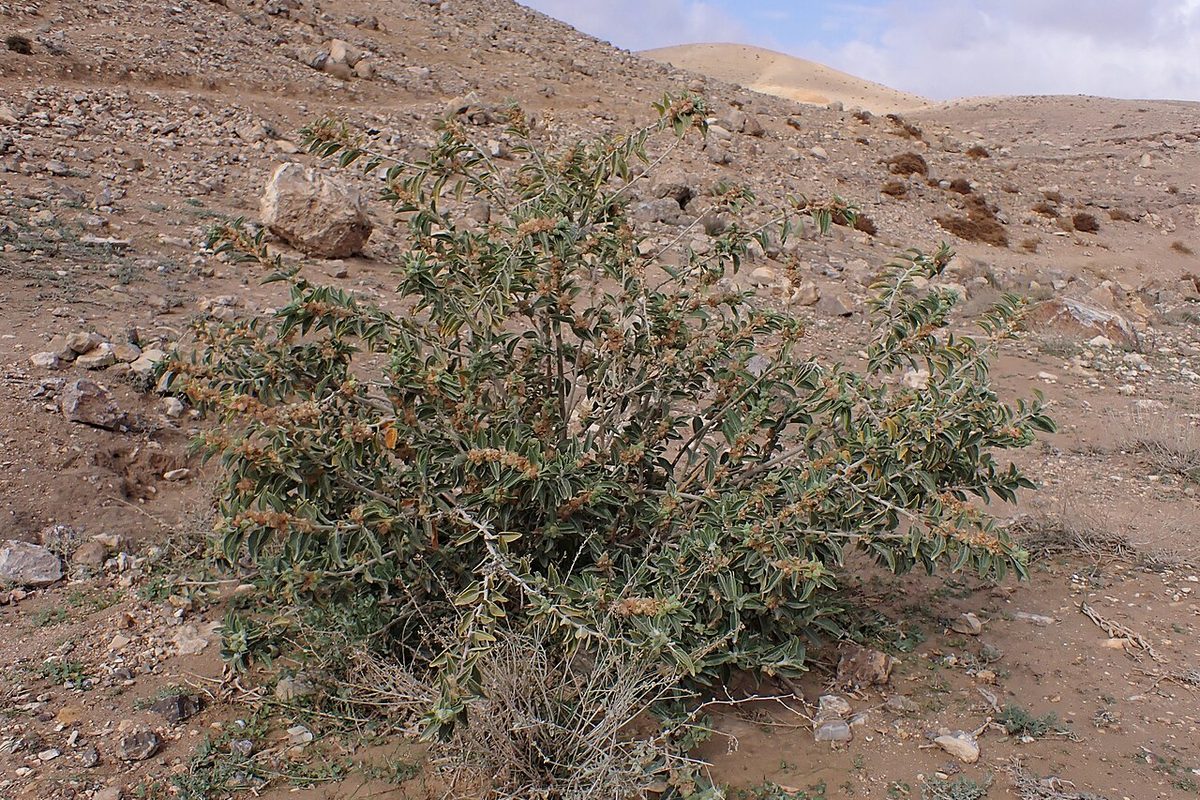
Ashwagandha (Withania somnifera) is a small shrub. Its root has been used in Ayurveda for more than 3,000 years as a Rasayana, a herb that builds strength and helps the body cope with stress. Its name means “smell of a horse”, after the root’s strong smell and its link with strength.
How Ayurveda Uses It vs How Supplements Use It
In Ayurveda, ashwagandha is never “one pill for everyone”. A doctor first checks your body type (Prakriti) and your digestion. Then the root powder is given with milk, ghee or honey, for a fixed time.
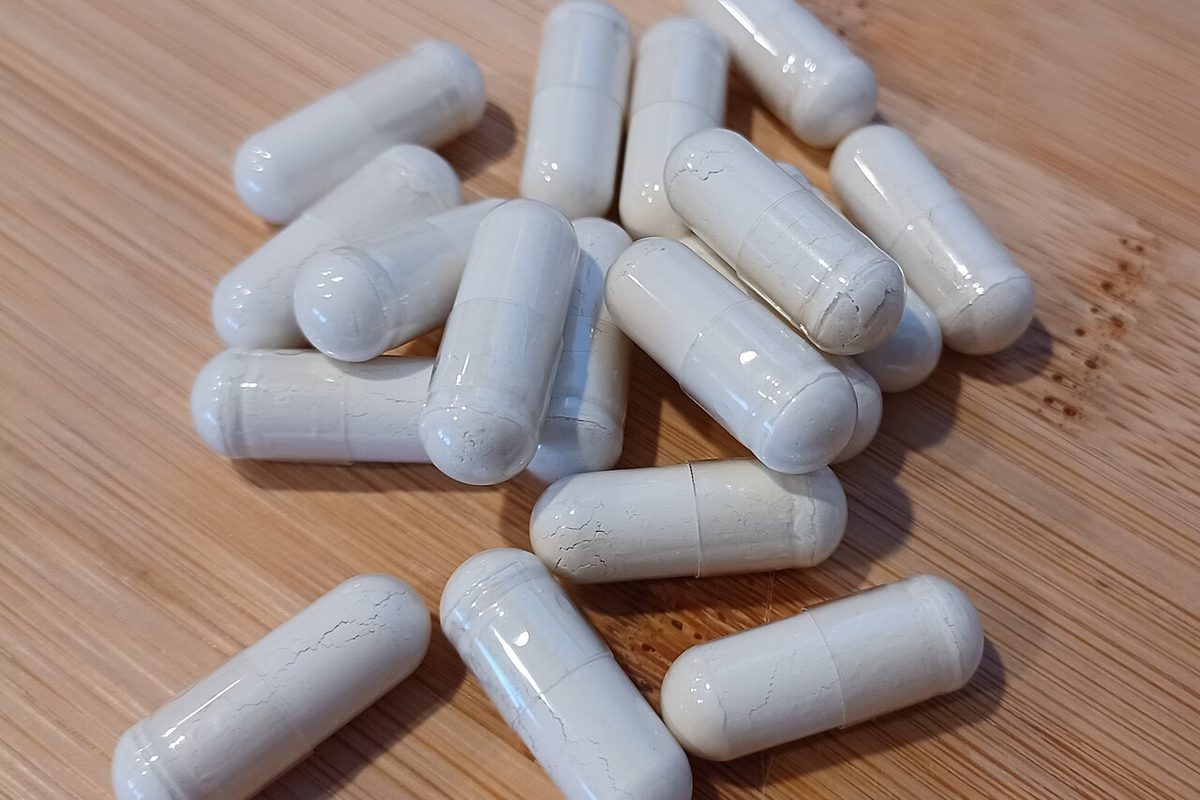
Many modern supplements are very different. They use concentrated extracts, sometimes from the leaf, often mixed with other herbs, and are taken for months with no check-ups. Most safety problems come from this second pattern.
What the Research Supports
Ashwagandha is popular for a reason. In a 2012 trial of 64 stressed adults, 600 mg of root extract a day for 60 days lowered the stress hormone cortisol by about 28%. A 2021 review of 5 trials (400 people) found a small but real improvement in sleep, with stronger effects at 600 mg a day or more, for 8 weeks or longer. That’s helpful, but it doesn’t make ashwagandha safe for everyone.
What Do the Liver Studies Actually Say?
Liver injury from ashwagandha is real but rare. It seems to be an unpredictable reaction in a small number of people rather than a dose-related poison. Large trials in healthy adults show no liver harm, while case reports show it can happen, especially in people who already have liver disease.
The Worrying Side: Case Reports
- Iceland and USA (2020): Doctors described 5 patients with jaundice after taking ashwagandha supplements. Symptoms began 2 to 12 weeks after starting. No one had liver failure, and 4 of 5 had normal liver tests within 1 to 5 months.
- India (2023): One liver centre in Kerala saw 23 patients with liver injury linked to ashwagandha between 2019 and 2022. Three patients who already had chronic liver disease died.
- Australia (2026): The TGA has received 11 reports of possible liver injury. No one in Australia died or needed a transplant, and recent cases got better after stopping.
The Reassuring Side: Large Trials
Two big trials in 2026 checked liver blood tests carefully and found no harm.
| Study (year) | Who | Dose and time | What it found |
|---|---|---|---|
| Frontiers in Medicine (Aug 2026) | 1,200 healthy adults, 7 sites in India | 500 mg root extract (about 4 g root powder) a day for 24 weeks | No treatment-related liver or kidney injury |
| Phytotherapy Research (Sep 2026) | 1,002 adults in India, USA, Australia, Portugal and Africa | 600 mg root extract a day for 8 weeks | Liver enzymes stayed normal. The trial was linked to the extract’s maker |
| Iceland and USA case series (2020) | 5 patients | Various supplements, some multi-herb | Jaundice after 2–12 weeks. Recovered after stopping |
| Indian case series (2023) | 23 patients at one liver centre | Various products | Liver injury. 3 deaths, all with existing liver disease |
What This Means for You
Both sides are true. For a healthy person, the chance of liver injury is very low. But it can’t be predicted in advance. Your risk is higher if you:
- Already have liver disease, including fatty liver or hepatitis
- Drink alcohol regularly
- Take high-dose extracts, leaf products or multi-herb blends
- Take other medicines or supplements that strain the liver
If you have a liver condition, read our guide to Ayurveda for liver health and speak to a doctor before using any herb.
Ashwagandha Side Effects: Common vs Rare
Most side effects of ashwagandha are mild: sleepiness, an upset stomach or loose stools. Rare but serious side effects are liver injury and an overactive thyroid. Knowing the difference tells you when to simply adjust the dose and when to stop and see a doctor.
| Side effect | How common | What to do |
|---|---|---|
| Drowsiness | Common | Take it at night. Don’t drive if you feel sleepy |
| Upset stomach, loose stools, nausea | Common | Take it after food, with warm milk. Ask your doctor about a lower dose |
| Headache | Uncommon | Drink more water. Stop if it continues |
| Fast heartbeat, shaking, weight loss, feeling hot | Rare | Stop and get a thyroid test (TSH, T3, T4) |
| Yellow eyes or skin, dark urine, itching, pale stools | Rare | Stop at once and get a liver function test the same week |
Who Should Not Take Ashwagandha?
You should not take ashwagandha if you are pregnant or breastfeeding, have liver disease, have an overactive thyroid, or have surgery coming up. You should check with a doctor first if you take thyroid, diabetes, blood pressure, sleep or immune-suppressing medicines, or have an autoimmune disease.
Avoid It If You:
- Are pregnant or breastfeeding. High doses may affect pregnancy, and there is no safety data for breastfeeding.
- Have liver disease or drink heavily.
- Have an overactive thyroid (hyperthyroidism).
- Have surgery in the next two weeks. It may add to the effect of anaesthesia.
- Have hormone-sensitive prostate cancer. It may raise testosterone.
Ask a Doctor First If You:
- Take thyroid medicine (levothyroxine). In a 2018 trial of 50 people, ashwagandha raised T3 and T4 levels. That can help an underactive thyroid, but with tablets it may push you too high. In one reported case, a 73-year-old woman developed an overactive thyroid and a racing heart after two years of self-treatment. Read more in our article on hypothyroidism with normal reports.
- Have Hashimoto’s, rheumatoid arthritis, lupus or another autoimmune disease. Ashwagandha may stimulate the immune system.
- Take medicines for diabetes or blood pressure. It may lower sugar and blood pressure a little more.
- Take sleeping pills, anxiety medicines or anti-seizure drugs. It may add to drowsiness.
- Take immune-suppressing medicines after a transplant or for autoimmune disease.
A Note for Women
Many women take ashwagandha for stress, tiredness or PCOD. It can help as part of a plan, but PCOD and thyroid problems often occur together. A doctor should check both before you add ashwagandha. Stop it as soon as you plan a pregnancy, unless your doctor advises otherwise.
Ashwagandha Myths vs Facts
The most harmful myth is “it’s natural, so it’s safe”. A herb strong enough to change your stress hormones and thyroid levels is strong enough to cause side effects. Here are the myths we hear most in clinic.
| Myth | Fact |
|---|---|
| “It’s natural, so it can’t harm you.” | Natural herbs act on the body like medicines. That is why they work, and also why they can cause side effects. |
| “More is better.” | Studies used about 250–600 mg of extract a day. Higher doses don’t have better proof and may carry more risk. |
| “Everyone can take it.” | Pregnant women and people with liver disease or an overactive thyroid should avoid it. |
| “Ashwagandha is banned.” | Only Denmark has banned it in food supplements. It is legal in India, the US, the UK, Canada and Australia. |
| “Any ashwagandha product is the same.” | Root, leaf, extract strength and other herbs in the mix all change how it acts. |
| “Ayurveda says take it forever.” | Ayurveda gives Rasayana herbs in courses, chosen for your body type, with regular review. |
Root, Leaf or Extract: Why the Form Matters
The form matters a lot. Ayurveda uses the root, and India’s food regulator allows only root and root extract in food products. Leaf products contain different, often stronger compounds, and most safety research is on root. Choose a root product unless your doctor says otherwise.
| Form | What it is | Safety notes |
|---|---|---|
| Root powder (churna) | Dried root, ground. The classical Ayurvedic form | Long traditional use. Milder per gram. Usually taken with milk or ghee |
| Standardised root extract | Concentrated root extract in capsules. Used in most trials | Best research. Stick to studied doses and fixed courses |
| Leaf or whole-plant extract | Includes leaves, which are not used in classical Ayurveda | Different, stronger compounds. Less safety data. Best avoided |
| Gummies and multi-herb blends | Ashwagandha mixed with other herbs, sugar or melatonin | Hard to know the real dose. Several liver cases involved blends |
How Much Ashwagandha Is Safe, and for How Long?
Most studies used 250 to 600 mg of root extract a day, or about 3 to 6 grams of root powder, for 8 to 12 weeks. The longest large trial lasted 24 weeks. Beyond six months, there is not enough data, so take it in courses with breaks, not forever.
These are research ranges, not a prescription. The right dose for you depends on your age, weight, digestion and other medicines. In our clinic, we usually:
- Start low and increase slowly if needed
- Give it for a set course, often 8 to 12 weeks
- Pause, then review symptoms before repeating
- Check liver tests or thyroid tests first when there is a reason to
How Ayurvedic Doctors Use Ashwagandha Safely
An Ayurvedic doctor decides whether you need ashwagandha before deciding how much. Ashwagandha is heavy and warming. It suits people who are thin, tired, anxious and have dry skin (high Vata), but it may not suit people with sluggish digestion, heaviness or congestion until those are corrected first.
1. Assessment First
We check your pulse through Nadi Pariksha, your digestion, your sleep and your reports. If your digestion is weak or you feel heavy after meals, we fix that first. A heavy herb on a weak gut can cause bloating and loose stools.
2. The Right Carrier (Anupana)
Classical texts give ashwagandha with warm milk, ghee or honey. These carriers make it easier to digest and guide its action. For example, warm milk at night is used for sleep and strength.
3. A Course, Not a Habit
Rasayana herbs are given for a fixed period, then reviewed. Ashwagandha is often one part of a plan that also includes diet, daily routine and therapies such as Shirodhara for stress and sleep.
What This Looks Like in Practice
A composite example, typical of what we see. Details changed for privacy.
A 38-year-old woman living in Canada had been taking two ashwagandha gummies and a “stress” capsule with ashwagandha leaf extract for eight months. She also took levothyroxine. She came to us with a racing heart, poor sleep and weight loss. Her TSH had dropped below normal.
We stopped both products, and her own doctor reviewed her thyroid dose. Her sleep plan used diet changes, foot massage with oil (Abhyanga) and a short course of a different calming herb. Within about two months, her heart rate and TSH were back to normal and she was sleeping better. Not every case is like this, but the pattern of self-dosing with several products is very common.
Warning Signs: When to Stop and See a Doctor
Stop ashwagandha straight away and see a doctor if you notice yellow eyes or skin, dark urine, pale stools, itching, nausea or pain under the right ribs. These can be signs of liver injury. A racing heart, tremor or sudden weight loss may mean your thyroid is overactive.
Stop and get tested if you notice:
- Yellow eyes or skin (jaundice)
- Dark, tea-coloured urine or pale stools
- Itching all over the body
- Nausea, loss of appetite or pain under the right ribs
- A fast or pounding heartbeat, shaking hands, feeling hot or sudden weight loss
Ask for a liver function test and, if you have heart or weight symptoms, a thyroid test (TSH, T3, T4). Bring the product bottle to your appointment.
A 7-Point Safety Checklist Before You Buy
Before you buy ashwagandha, check the plant part, the dose, the licence number and the other ingredients. Then tell your doctor. Most problems we see come from unclear products taken without guidance.
- Root only. The label should say “root” or “root extract”, not “leaf” or “whole plant”.
- Single herb. Avoid blends unless a doctor prescribed them.
- Clear dose. The label should show mg per capsule and the extract ratio.
- Licence and batch number. In India, look for a manufacturing licence number and an AYUSH or GMP mark.
- One product at a time. Check your other supplements for hidden ashwagandha.
- A fixed course. Decide the start and stop dates before you begin.
- Tell your doctor, especially if you take thyroid, diabetes, blood pressure or sleep medicines.
About the Author
Dr. Amita Abrol is an Ayurvedic physician and Panchakarma specialist in Amritsar, Punjab. She holds a BAMS (Gold Medalist) and an MS in Gynaecology & Obstetrics (Stree Prasuti Tantra). She treats women’s health, thyroid, skin, joint and stress conditions, and sees patients from India and abroad through online consultations. She prescribes ashwagandha regularly, and checks every time whether it is right for the person in front of her.
Not Sure If Ashwagandha Is Right for You?
Don’t guess with a herb this strong. In a video consultation, Dr. Abrol reviews your symptoms, reports and current medicines, and tells you whether ashwagandha suits you, what form and dose to use, and for how long. If it doesn’t suit you, she’ll suggest what does.
We work alongside your own doctor and never ask you to stop prescribed medicine on your own. Patients join us from India, Canada, the UK, Australia, the USA and the Gulf.
Have your recent blood reports ready, along with photos of every supplement label you take.
References
- Björnsson HK et al. Ashwagandha-induced liver injury: A case series from Iceland and the US Drug-Induced Liver Injury Network — Liver International, 2020.
- Philips CA et al. Ashwagandha-induced liver injury — A case series from India and literature review — Hepatology Communications, 2023.
- Chopra A et al. Safe prolonged prophylactic use and tolerability of Ashwagandha following COVISHIELD vaccination over 24 weeks: a multicentre randomised double-blind placebo-controlled trial — Frontiers in Medicine, 2026. News summary.
- Safety of KSM-66 ashwagandha root extract in 1,002 adults: a randomised, double-blind, placebo-controlled trial — Phytotherapy Research, 2026.
- Sharma AK, Basu I, Singh S. Efficacy and Safety of Ashwagandha Root Extract in Subclinical Hypothyroid Patients — Journal of Alternative and Complementary Medicine, 2018.
- Ashwagandha as a Unique Cause of Thyrotoxicosis Presenting With Supraventricular Tachycardia — Cureus, 2022.
- Chandrasekhar K et al. A prospective, randomized double-blind, placebo-controlled study of safety and efficacy of a high-concentration full-spectrum extract of ashwagandha root in reducing stress and anxiety in adults — Indian Journal of Psychological Medicine, 2012.
- Cheah KL et al. Effect of Ashwagandha (Withania somnifera) extract on sleep: A systematic review and meta-analysis — PLoS One, 2021.
- National Center for Complementary and Integrative Health (NIH). Ashwagandha: Usefulness and Safety.
- NutraIngredients. Ashwagandha under medicine safety spotlight in Australia — 20 July 2026.
- NutraIngredients. Timeline: Will authorities de-throne the king of herbs? — 6 July 2026.
- Charaka Samhita, Chikitsa Sthana, Chapter 1 (Rasayana).
Images from Wikimedia Commons: “Ashwagandha Powder and Root on Spoons” by formulatehealth, CC BY 2.0; “Withania somnifera kz05” by Krzysztof Ziarnek (Kenraiz), CC BY-SA 4.0; “Vegan calcium supplements” by Mx. Granger, CC0. All images cropped.
Medical disclaimer: This article is for education and does not replace an individual consultation. Never stop or change prescribed medicine without speaking to your doctor. If you notice any of the warning signs above, seek medical care promptly.
Have questions about your own symptoms?
Every case is different. Book a consultation with Dr. Abrol for a treatment plan personalised to your Prakriti and health history.
In This Article
- Why Is Everyone Asking About Ashwagandha in 2026?
- What Is Ashwagandha?
- What Do the Liver Studies Actually Say?
- Ashwagandha Side Effects: Common vs Rare
- Who Should Not Take Ashwagandha?
- Ashwagandha Myths vs Facts
- Root, Leaf or Extract: Why the Form Matters
- How Much Ashwagandha Is Safe, and for How Long?
- How Ayurvedic Doctors Use Ashwagandha Safely
- Warning Signs: When to Stop and See a Doctor
- A 7-Point Safety Checklist Before You Buy
- About the Author
- Not Sure If Ashwagandha Is Right for You?
- References
Book a Consultation
Get a personalised Ayurvedic treatment plan from Dr. Abrol - in clinic or online.
Dr. Amita Abrol
Gold Medalist BAMS, MS Gynaecology
Common Questions
Frequently Asked Questions
For most healthy adults, a daily dose in the range used in studies (about 250 to 600 mg of root extract) appears safe for 8 to 24 weeks. There is little research beyond six months, so Ayurvedic doctors usually prescribe it in courses with breaks and a review, not as a lifelong daily pill.
Rarely, yes. Doctors in Iceland, the US, India and Australia have reported liver injury, usually 2 to 12 weeks after starting. Most people recovered within a few months of stopping. The risk is higher if you already have liver disease or drink alcohol often. Stop and get a liver test if your eyes turn yellow or your urine turns dark.
Only under a doctor's supervision. Ashwagandha can raise T3 and T4 levels, so taking it with levothyroxine may push you towards an overactive thyroid. If your doctor agrees to it, check TSH after 6 to 8 weeks. People with an overactive thyroid should avoid it.
For most non-pregnant women, yes, in short supervised courses. It is often used in Ayurveda for stress, fatigue and some hormonal problems. But it should be avoided in pregnancy and while breastfeeding, and women with thyroid disease or PCOS should take it only as part of a doctor's plan.
In 2023, Denmark banned ashwagandha in food supplements because its experts said they could not set a safe lower limit, citing concerns about hormones and pregnancy. It is still sold in most other countries. The UK, the Netherlands and Australia have reviewed it, and India allows root but not leaf in food products.
Most studies lasted 8 to 12 weeks, and the longest large trial lasted 24 weeks. Beyond that, there is not enough data. A sensible plan is to take it for a set course, such as 8 to 12 weeks, then pause and review with your doctor.
Yes. Ashwagandha may add to the effect of anaesthesia and sedatives. Stop it at least two weeks before planned surgery, and tell your surgeon and anaesthetist that you were taking it.
Continue Exploring
Related Treatments & Conditions
Keep Reading
More on Ayurvedic Lifestyle

Ready to Start Your Ayurvedic Healing Journey?
Book a clinic visit or online consultation with Dr. Abrol, based on what you've just read.