Ayurvedic Lifestyle
 Read Article
Psoriasis Diet: Foods to Eat and Avoid, Explained by an Ayurvedic Doctor
Ayurvedic Lifestyle
Why do knees ache and skin crack every winter? Dr. Amita Abrol explains what Ayurveda says about Hemant Ritu, gives a 10-minute daily routine with oil massage, warm water and easy food swaps, and lists who should skip the heavy winter diet.
Personally supervised by Dr. Amita Abrol
Gold Medalist BAMS · MS Gynaecology & Obstetrics · 14+ years experience
By Dr. Amita Abrol, BAMS (Gold Medalist), MS · Ayurvedic Physician & Panchakarma Specialist, Amritsar · Medically reviewed · Last updated: 21 October 2026
How this article was prepared: Written from Dr. Amita Abrol’s clinic notes on the winter rise in joint pain, dry skin and coughs among patients in Amritsar, and checked against the classical seasonal chapters of Charaka Samhita and Ashtanga Hridayam. Research figures link to their sources below. Advice is general — your age, health conditions and medicines decide what suits you. Author credentials: Dr. Amita Abrol.
Quick answer: In Ayurveda, early winter (Hemant Ritu, about mid-November to mid-January) is cold and dry, so Vata rises — that is why joints stiffen and skin cracks. Digestion is at its strongest, so the body needs warm, nourishing food. A 10-minute routine covers the basics: warm water on waking, a 5-minute warm sesame oil massage, a lukewarm bath, two drops of oil in the nose and gentle joint movement. People with diabetes or high cholesterol should keep winter sweets and ghee small.
Hemant Ritu is the Ayurvedic name for early winter. In North India it runs from about mid-November to mid-January. It is followed by Shishira (late winter), from mid-January to mid-March. Ayurveda gives each season its own routine, called Ritucharya.
Ayurveda splits the year into six seasons of about two months each. The classical text Charaka Samhita (Sutra Sthana, chapter 6) says something useful about winter: this is the season when the body is strongest and digestion (Agni) burns hottest. Cold air outside pushes the body’s heat inward, toward the stomach.
That has a practical meaning. In winter you feel hungrier, and you can digest heavier food. But if you skip meals or eat too little, that strong digestive fire has nothing to work on. Charaka says it then starts to dry out the body’s own tissues, and Vata (the dry, cold, moving force) gets disturbed. This is why crash diets often feel worst in December.
| Winter at a glance | What happens in the body | What you may notice | Simple fix |
|---|---|---|---|
| Cold, dry air | Vata (dryness, cold) rises | Stiff joints, cracked heels, dry itchy skin, constipation | Warm oil massage, warm water |
| Strong digestion | Agni burns hottest | More hunger, cravings for sweets and fried food | Warm, freshly cooked meals on time |
| Short days, less sun | Less vitamin D, less movement | Low energy, aches, low mood | 15–20 minutes of sun, daily walk |
| Late winter build-up | Kapha (heaviness, mucus) collects | Coughs, colds, heaviness by February | Ginger, early dinner, no daytime sleep |
Joints stiffen in winter because cold tightens muscles and tendons, people move less, and in Ayurvedic terms cold, dry Vata settles in the joints. Many people with knee osteoarthritis feel this clearly. In a European study, about 2 in 3 older adults with arthritis said the weather changed their pain.
The study, from six European countries, found that 67.2% of older people with osteoarthritis felt “weather-sensitive” (Timmermans et al., 2014). The science is not fully settled — part of the effect is that we sit more and walk less when it is cold. But the pattern is real for many people.
Knee arthritis is common in India. A study of 5,000 adults across five Indian cities found knee osteoarthritis in 28.7% — and in more women (31.6%) than men (Pal et al., 2016). In our Amritsar clinic, the number of people booking for knee pain clearly rises once the fog sets in.
Ayurveda calls wear-and-tear joint pain Sandhigata Vata — Vata lodged in the joints. Vata is cold, dry, light and rough. Winter has the same qualities, so it adds fuel to the fire. The joint loses its natural “oiliness” (Shleshaka Kapha, the lubricating fluid), and you get creaking, stiffness and pain, worst in the morning.
The answer, in Ayurvedic logic, is the opposite qualities: warm, oily, steady and nourishing. That means warm oil on the joints, warm food, and gentle, regular movement. For long-standing knee pain, see our Ayurvedic treatment for knee pain page, which explains therapies such as Janu Basti.
There is research support for the whole-system approach. In a German trial of 151 patients with knee osteoarthritis, a 12-week Ayurveda programme (oil therapies, diet, yoga advice and herbs) improved pain and function scores more than standard conventional care (Kessler et al., 2018). It was one trial, and patients knew which group they were in, so it needs repeating — but it is encouraging.
Skin cracks in winter because cold outdoor air and indoor heaters both hold very little moisture, and hot baths strip the skin’s natural oil. Ayurveda sees this as dry Vata showing on the skin: rough patches, itching, cracked heels and split lips.
A room heater or blower can make the air in a closed room very dry. Add a long, hot bath and a strong soap, and the skin’s protective layer breaks down. The result is the familiar “winter itch”, especially on the shins, hands and heels.
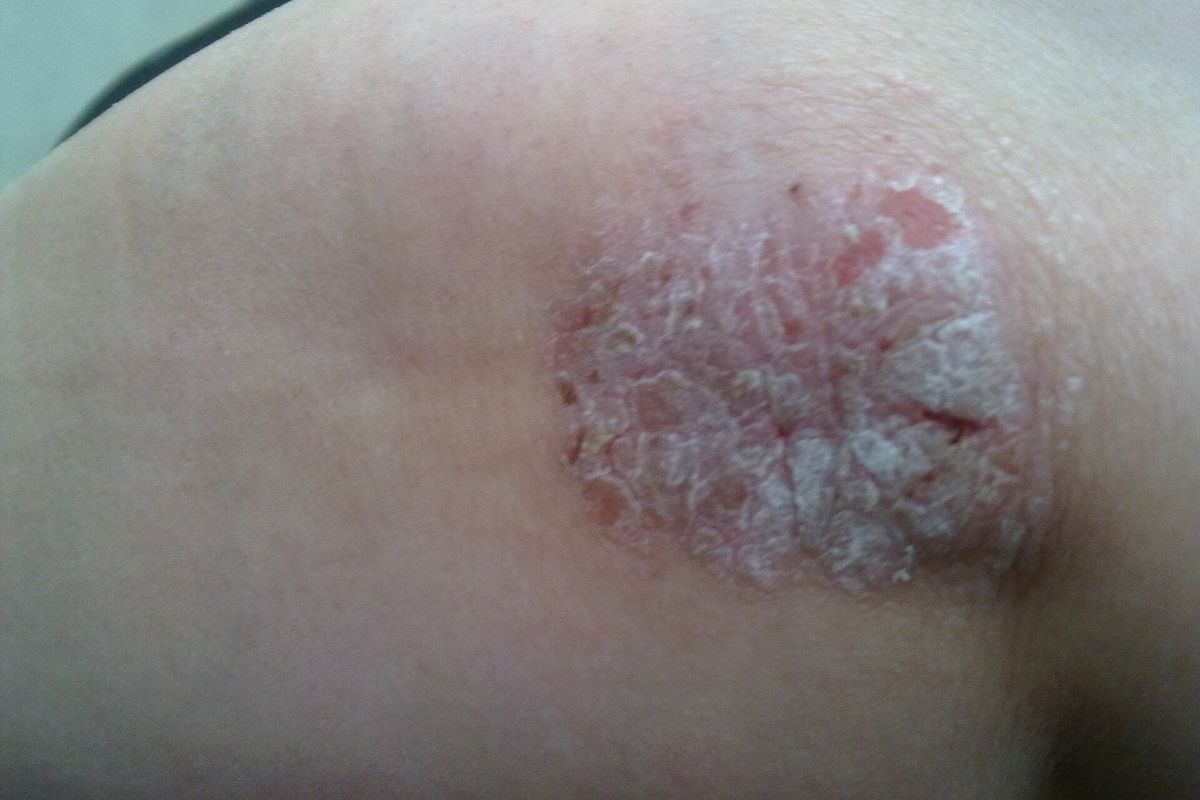
People who already have eczema or psoriasis often flare in winter. If that is you, home oiling helps, but you may need more than that. Read our detailed guide on why psoriasis gets worse in winter, or see our Ayurvedic eczema treatment page.
The 10-minute winter routine is: warm water (1 minute), warm oil massage (5 minutes), nasal oil (1 minute) and joint movement (2–3 minutes), followed by a lukewarm bath. It follows the classical Dinacharya (daily routine) advice for Hemant Ritu and fits into a normal working morning.
Before tea, sip one glass of warm water. It wakes up digestion, softens stools and helps with winter constipation — another Vata sign. Plain warm water is enough. Add a thin slice of ginger if you feel cold or heavy.
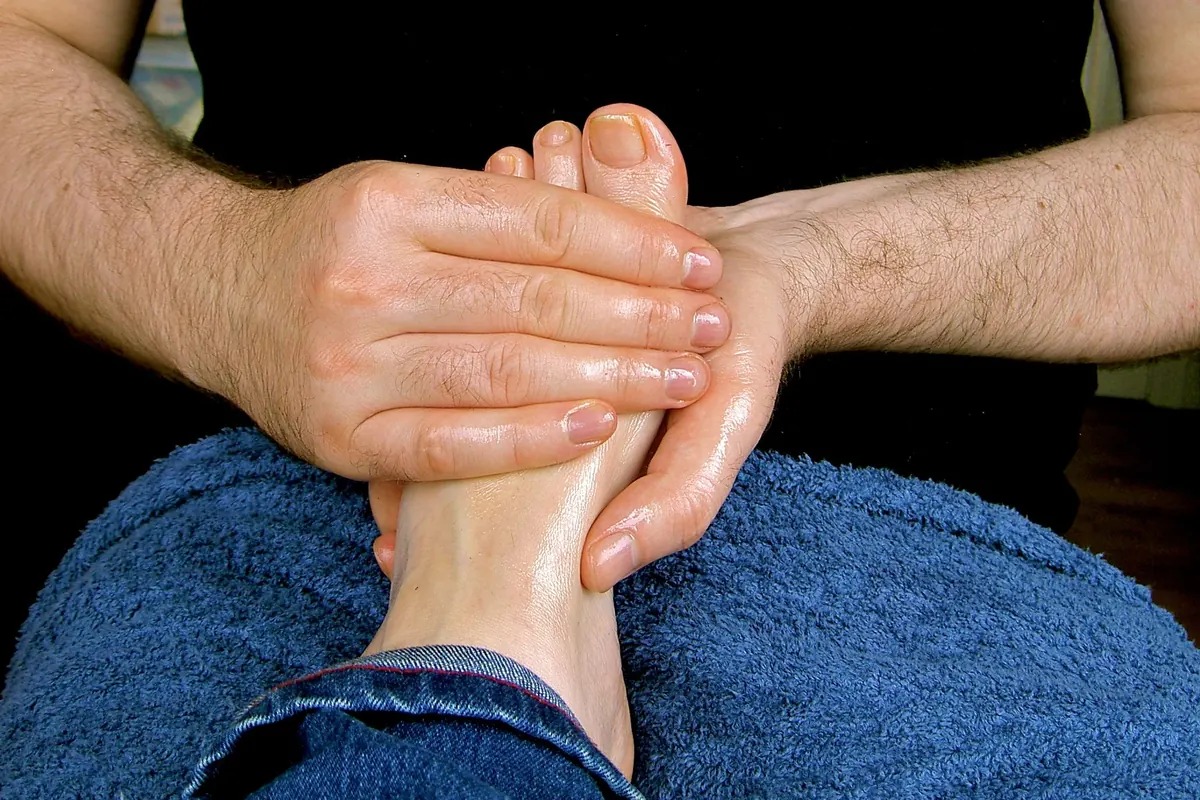
Warm 2–3 tablespoons of sesame (til) oil by placing the bottle in a bowl of hot water. Test it on your wrist — warm, not hot. Then:
Leave the oil on for 10–15 minutes if you can (dress, make tea), then bathe. Ashtanga Hridayam lists daily Abhyanga as a key winter practice for strength, skin and joints. For a deeper, therapist-led version with medicated oils, see our Abhyangam therapy page.
Bathe in lukewarm water. Use a mild soap only on the armpits, groin and feet, or try a traditional ubtan of besan (gram flour) with a pinch of turmeric. Pat dry and, if your skin is still dry, apply a little oil or moisturiser within 3 minutes while the skin is damp.
Put 1–2 drops of warm sesame oil or Anu Taila in each nostril, or apply it inside the nostril with a clean little finger, and sniff gently. It keeps the nose moist in dry heater air. Skip it during an active cold with a blocked nose, right after a meal, or if your doctor has advised against it. For the full therapy, see Nasyam.
Rotate your neck, shoulders, wrists, hips, knees and ankles slowly — 5 circles each way. This is from the yoga practice Sukshma Vyayama. Later in the day, a 20–30 minute walk in the sun is ideal. Charaka advises exercise in winter, but only to about half your capacity — until you feel light sweat on the forehead, not exhaustion.
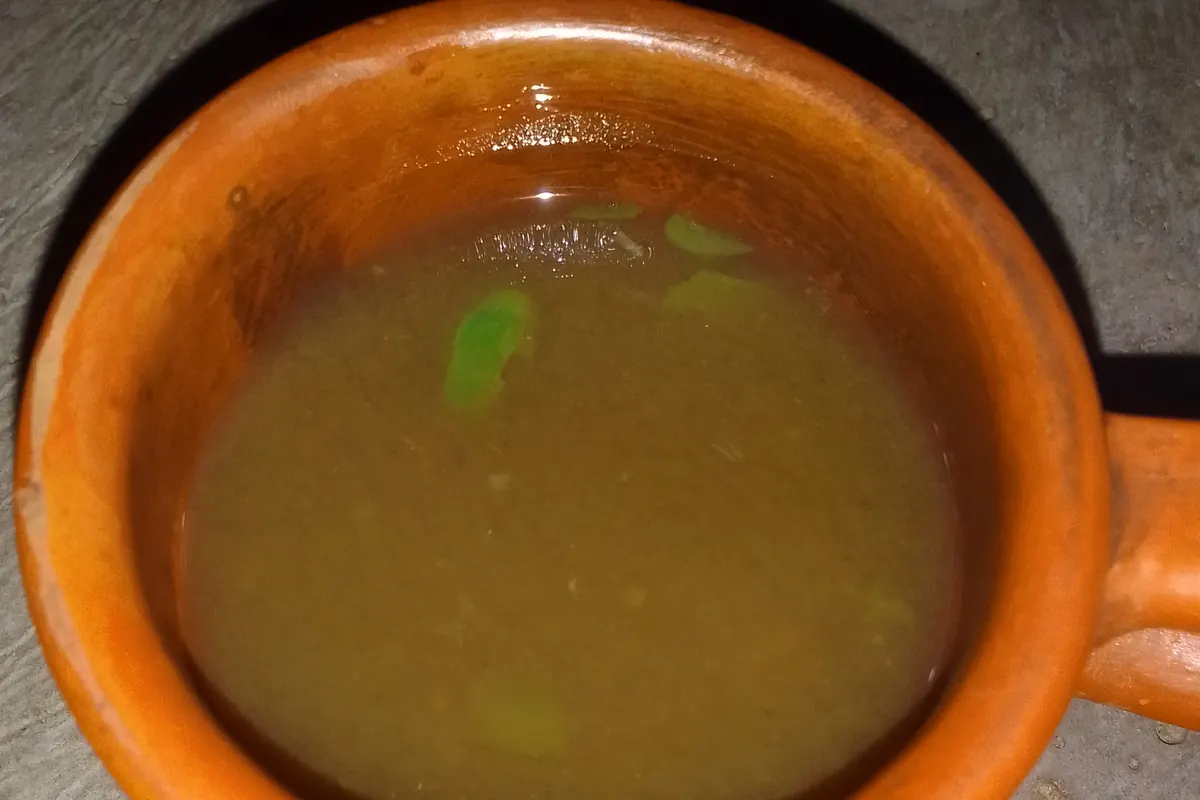
In winter, Ayurveda recommends warm, freshly cooked, slightly oily food with sweet, sour and salty tastes, such as wheat, millets, seasonal greens, root vegetables, sesame, ghee and warm milk. Cold drinks, raw salads late at night and stale food are best kept low.
This is where Punjab’s winter kitchen is already very Ayurvedic. Sarson da saag with makki or bajra roti, a spoon of ghee, carrots, radish, methi, gond and til — these are classic warming, grounding winter foods. The problem is not the foods themselves. It is the amount, especially of sweets and fried snacks, and late heavy dinners.
| Instead of… | Try this winter swap | Why it helps |
|---|---|---|
| Cold water from the fridge | Warm or room-temperature water, ginger water | Keeps digestion steady, eases Vata dryness |
| Raw salad at dinner | Warm vegetable soup or lightly cooked sabzi | Raw, cold food is harder to digest at night |
| Packaged biscuits with tea | A few roasted peanuts, til seeds or 2 soaked almonds | Healthy fats for skin and joints, less refined flour |
| Fried pakoras every evening | Roasted chana or a bowl of moong dal soup | Warmth without the heavy oil load |
| Big gajak or pinni portions daily | One small piece after lunch, a few times a week | Keeps sugar and calories in check |
| Late, heavy dinner at 10 pm | Lighter dinner by 8 pm | Better sleep, less morning heaviness and acidity |
If winter food leaves you with heartburn or bloating, read our guide to acidity, bloating and IBS in Ayurveda.
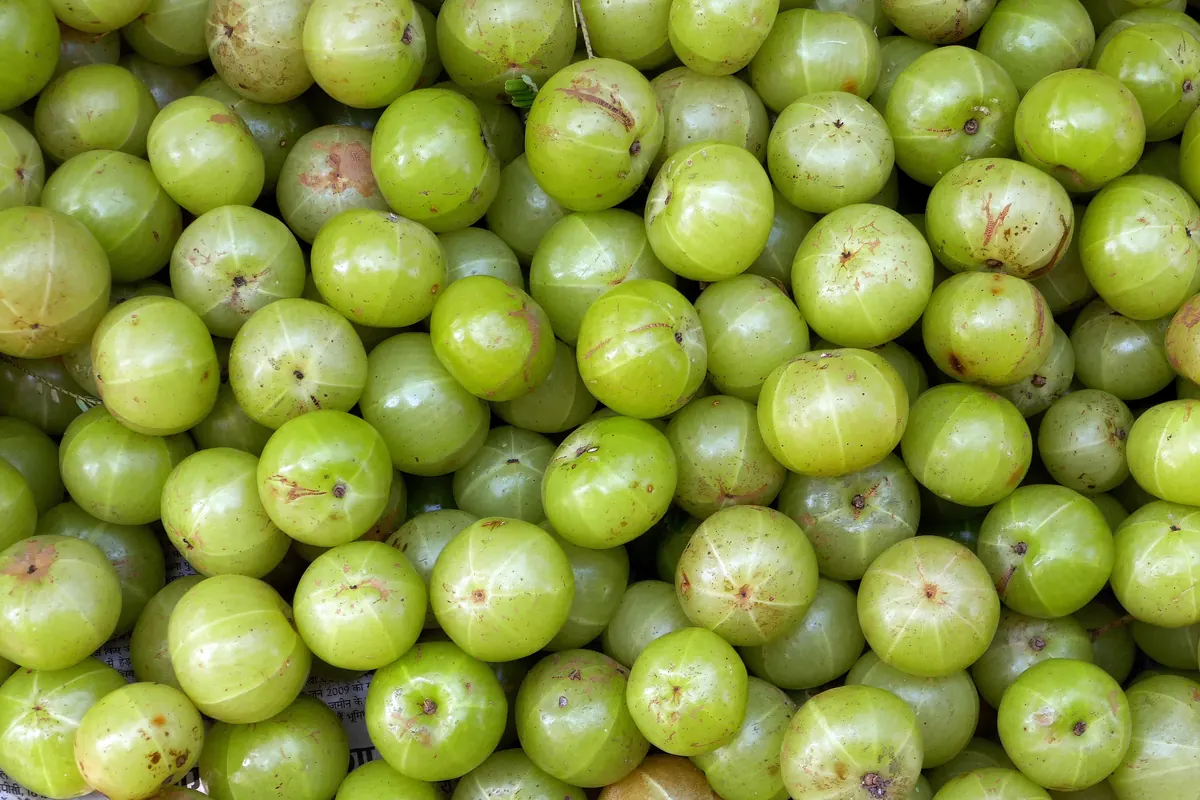
Ayurveda supports winter immunity by keeping digestion strong, sleep regular and the body warm, rather than relying on one product. Good daily habits plus a few traditional foods — amla, ginger, turmeric and, for some people, Chyawanprash — form the base.
In Ayurveda, real immunity is called Bala or Vyadhikshamatva — the body’s strength to resist disease. Charaka says Bala is naturally highest in winter. Our job is to protect it, not waste it through late nights, overeating or no exercise.
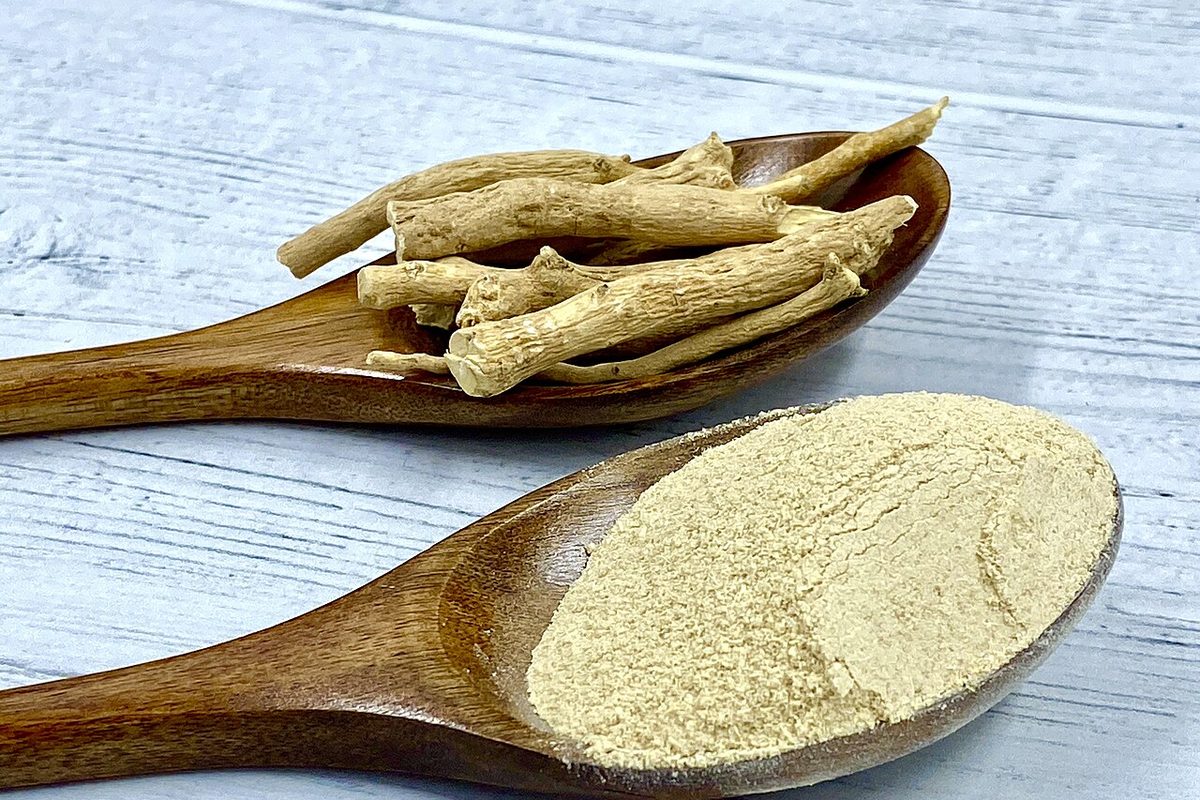
About Chyawanprash: it is a traditional winter tonic built around amla. One teaspoon in the morning with warm milk or water is the usual adult amount. But it contains sugar or jaggery, so people with diabetes should ask their doctor first. Herbal tonics such as ashwagandha are not right for everyone — read is ashwagandha safe? before starting one.
People with diabetes, high cholesterol or heart disease, fatty liver, obesity, PCOD or gout should not follow the “eat heavy in winter” advice freely. The classical texts were written for active, healthy people. Today, most of us sit much more, so pinni, gajak, panjiri and extra ghee need careful limits.
Jaggery (gud) is often called “healthy sugar”, but your blood sugar treats it much like white sugar. One pinni can carry as much energy as a full meal. Here is a simple guide we give in clinic:
| If you have… | Limit in winter | Safer winter choice |
|---|---|---|
| Diabetes | Gajak, til-gud ladoo, pinni, panjiri, gajar halwa, sweet Chyawanprash | Plain roasted til, methi, bajra roti, amla, cinnamon in tea |
| High cholesterol / heart disease | Extra ghee, butter on saag, fried pakoras, full-cream sweets | One teaspoon of ghee a day, steamed or roasted snacks, walks in daylight |
| Fatty liver or obesity | Sweets, fried food, late dinners, alcohol | Early, light dinner; warm water with ginger; moong dal |
| Gout / high uric acid | Alcohol, red meat, very rich gravies | Warm water through the day, vegetables, light dals |
| Weak digestion or IBS | Heavy dals, rajma, chhole, cold curd at night | Khichdi, soups, buttermilk at lunch, ginger before meals |
Also note: cold weather raises blood pressure and strain on the heart in some people. If you have heart disease, avoid sudden exposure to cold on early-morning walks — walk a little later, when the sun is out.
Most winter health myths are about “heat”: that hot baths, heavy sweets or extra oil are always good in winter. Ayurveda actually asks for balance — enough warmth and nourishment, matched to your body and health.
| Myth | Fact |
|---|---|
| The hotter the bath, the better in winter. | Very hot water strips skin oils and worsens dryness. Lukewarm is best. |
| Everyone should eat pinni and gajak daily in winter. | These suit active people with strong digestion. With diabetes, high cholesterol or a desk job, keep them small and occasional. |
| Oil massage is always good for joint pain. | Not for a hot, red, swollen joint or during fever. Those need a doctor and, in Ayurveda, dry warmth instead of oil. |
| You don’t need to drink water in winter. | You feel less thirsty, but skin and bowels still need water. Sip warm water through the day. |
| One immunity booster is enough to avoid colds. | Sleep, food on time, sunlight and movement matter more than any single product. |
Skip oil massage during fever, a heavy cold with chest congestion, indigestion, on broken or infected skin, and on a hot, swollen joint. See a doctor quickly if joint pain comes with fever or swelling, if morning stiffness lasts over an hour, or if skin cracks start to bleed or ooze.
A swollen, warm joint with long morning stiffness can be inflammatory arthritis (in Ayurveda, often Amavata), not simple wear-and-tear. In that state, oiling can make things worse; we use dry heat and light diet first. This is one reason a proper consultation matters before strong home remedies.
For neck stiffness that gets worse in the cold, see Ayurvedic treatment for cervical pain. For a seasonal detox before spring, Charaka suggests the end of winter is a good time to plan Panchakarma under supervision.
The most common winter story in our clinic is simple: knee pain and dry skin that start in November and ease by March. Small, steady changes in routine usually help more than any single remedy.
Here is a composite example drawn from many similar cases (details changed for privacy). A 58-year-old woman from Amritsar with early knee osteoarthritis came in December. Her knees were stiff for 20 minutes every morning, her heels were cracked, and she was eating two pinnis a day “for strength”. Her blood sugar was borderline.
We did not start with strong medicines. She began the 10-minute routine above, swapped daily pinni for roasted til and one amla, moved dinner to 8 pm and walked in the afternoon sun. She also took a short course of Abhyangam and Janu Basti for her knees. After about six weeks she reported shorter morning stiffness, softer heels and steadier sugar readings. Results differ from person to person, but this pattern is common.
If winter brings you stiff knees, cracked skin, eczema or psoriasis flares, or a cough that returns every year, a personalised plan works better than guesswork. Dr. Amita Abrol will check your body type (Prakriti), digestion and health reports, and give you a winter routine, diet and — only if needed — medicines or therapies that suit you.
You can visit our hospital in Amritsar or consult from anywhere in India or abroad by video call.
Book Online Consultation Visit the Clinic in Amritsar
Clinic: Dr. Abrol Ayurveda & Panchkarma Hospital, Amritsar · Phone / WhatsApp: +91-9878039127
Dr. Amita Abrol is an Ayurvedic physician and Panchakarma specialist in Amritsar, Punjab. She holds a BAMS (Gold Medalist) and an MS in Gynaecology & Obstetrics (Stree Prasuti Tantra). Every winter she treats patients with knee and back pain, eczema, psoriasis and recurring coughs using seasonal routines, diet plans, internal medicines and therapies such as Abhyangam and Nasyam. She also sees patients in India and abroad through online consultations.
Experience: 14+ years of supervised Panchakarma practice. Clinic address and phone are listed in the site footer.
Images: “Massage-foot” by Lubyanka, CC BY-SA 3.0; “A Cup Of Ginger Tea” by ওয়ালিদ ভূইয়া, CC0; “Sarson Ka Saag - Mohali” by Biswarup Ganguly, CC BY 3.0; “Fruits de Phyllanthus emblica à Pushkar” by Ji-Elle, CC BY-SA 4.0. All from Wikimedia Commons, cropped and resized. Used for education; not photographs of patients at this hospital.
Medical disclaimer: This article is for education and does not replace a consultation with your doctor. Do not stop or change prescribed medicine on your own. Chest pain, breathlessness, high fever, or a hot, swollen joint needs prompt medical care.
Have questions about your own symptoms?
Every case is different. Book a consultation with Dr. Abrol for a treatment plan personalised to your Prakriti and health history.
Get a personalised Ayurvedic treatment plan from Dr. Abrol - in clinic or online.
Dr. Amita Abrol
Gold Medalist BAMS, MS Gynaecology
Book a clinic visit or online consultation with Dr. Abrol, based on what you've just read.