
Digestive Health
Navel Displacement (Nabhi Dharan)
Navel displacement treatment in Amritsar: a careful check for other causes first, then gentle oil therapy and digestive herbs from Dr. Amita Abrol, with light food and rest at home.
- Digestive Health
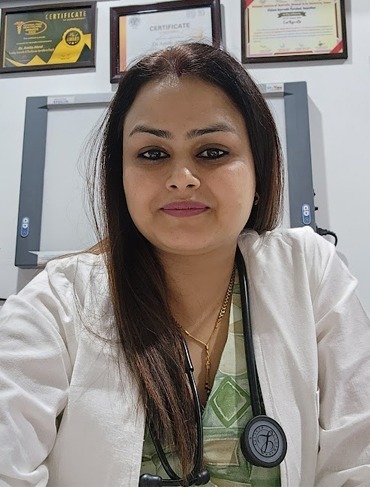
Personally supervised by Dr. Amita Abrol
Gold Medalist BAMS · MS Gynaecology & Obstetrics · 14+ years experience
Medically reviewed by Dr. Amita Abrol, BAMS (Gold Medalist), MS (Gynaecology & Obstetrics) · Last reviewed
Quick Answer
What is the treatment for navel displacement?
Navel displacement (nabhi khisakna or dharan) is the name many people in North India give to pain around the navel, often with loose motions or gas after lifting something heavy. Dr. Abrol first checks for other causes, such as gastritis or a hernia. Then we treat it gently: warm oil around the navel and digestive herbs in the clinic, light food and rest at home.
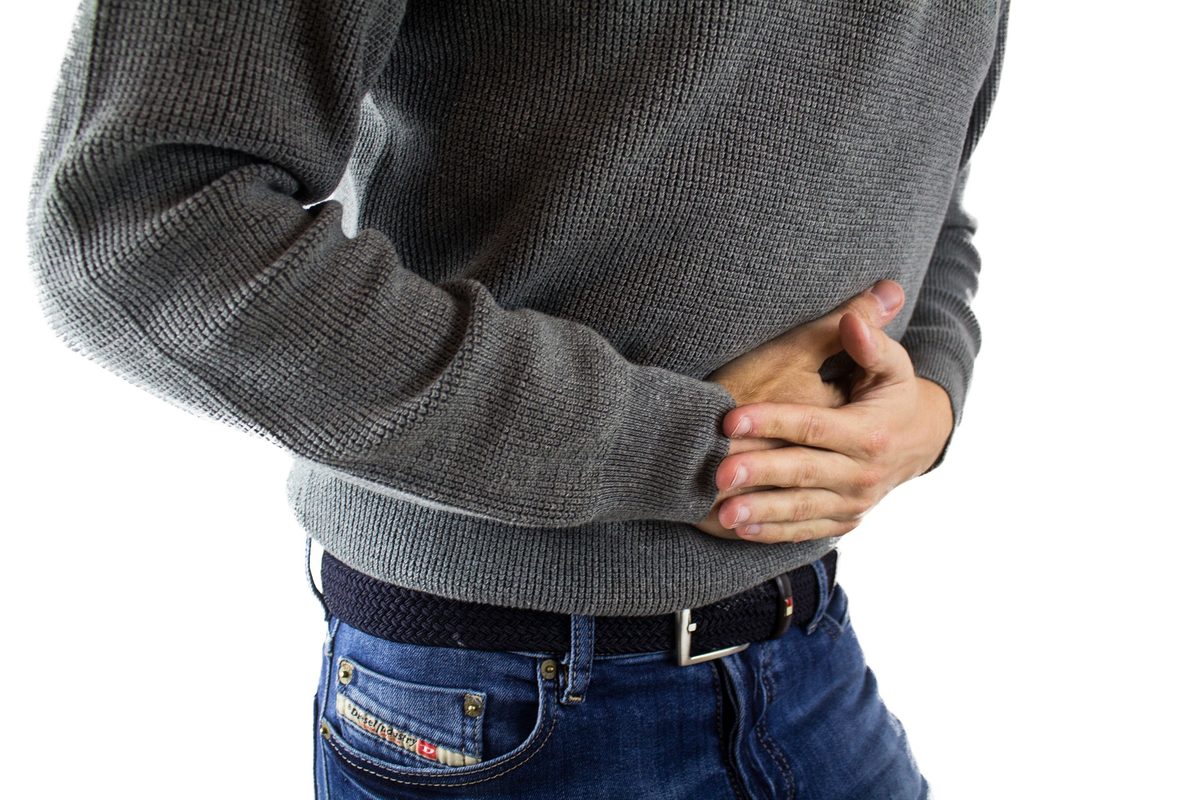
Almost every week, someone walks into our clinic on Batala Road holding their stomach. "Doctor, my nabhi has slipped," they say, or "dharan pai gayi". The pain usually starts after lifting something heavy. A full bucket of water. A gas cylinder. A toddler on the hip. Sometimes it follows a long bus journey or a fall. It sits around the navel, loose motions and gas often come with it, and many people feel weak and shaky for a day or two.
At home, people check it with a thread stretched from the navel to each big toe, or feel for a "navel pulse" with a thumb. Then an elder or a local healer pushes or pulls to set it back. We understand why. But scans do not show the navel or the intestines moving out of place. Doctors who have studied it call navel displacement a traditional name for a group of real symptoms (Gangwal and others, 2025).
In Ayurveda we read these symptoms as Vata, the force of movement, upset in the belly, with weak digestion (Agni). So our care is warm and slow. Dr. Amita Abrol first makes sure nothing serious is behind the pain. Then the plan works on whatever keeps bringing it back. For one person that is the gut. For another it is stress.
Recognise the Signs
Common Symptoms
-
Pain or a dull ache around the navel, often after lifting something heavy
-
Loose motions, or constipation that starts suddenly
-
Gas, bloating and a rumbling stomach
-
Nausea or loss of appetite
-
Weakness, shakiness or tiredness
-
An ache that spreads to the lower back or legs
-
Episodes that return after each heavy task or stressful week
Our Treatment Approach
How We Treat Navel Displacement (Nabhi Dharan)
A Careful Check First
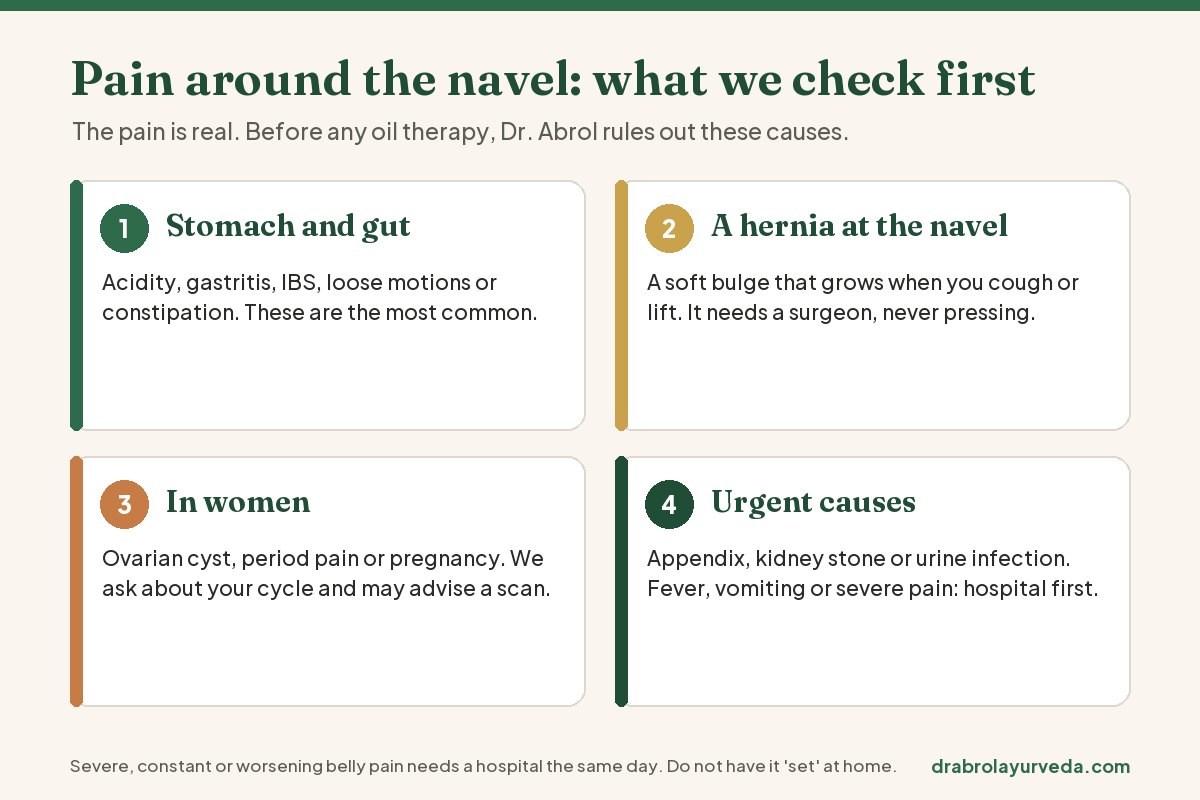
Dr. Abrol asks how the pain began, examines the belly gently and reads any reports. If anything points to a hernia or a gynae problem, we send you for an ultrasound or to the right specialist before any therapy. The same goes for the appendix or a kidney stone.
Gentle Oil Therapy
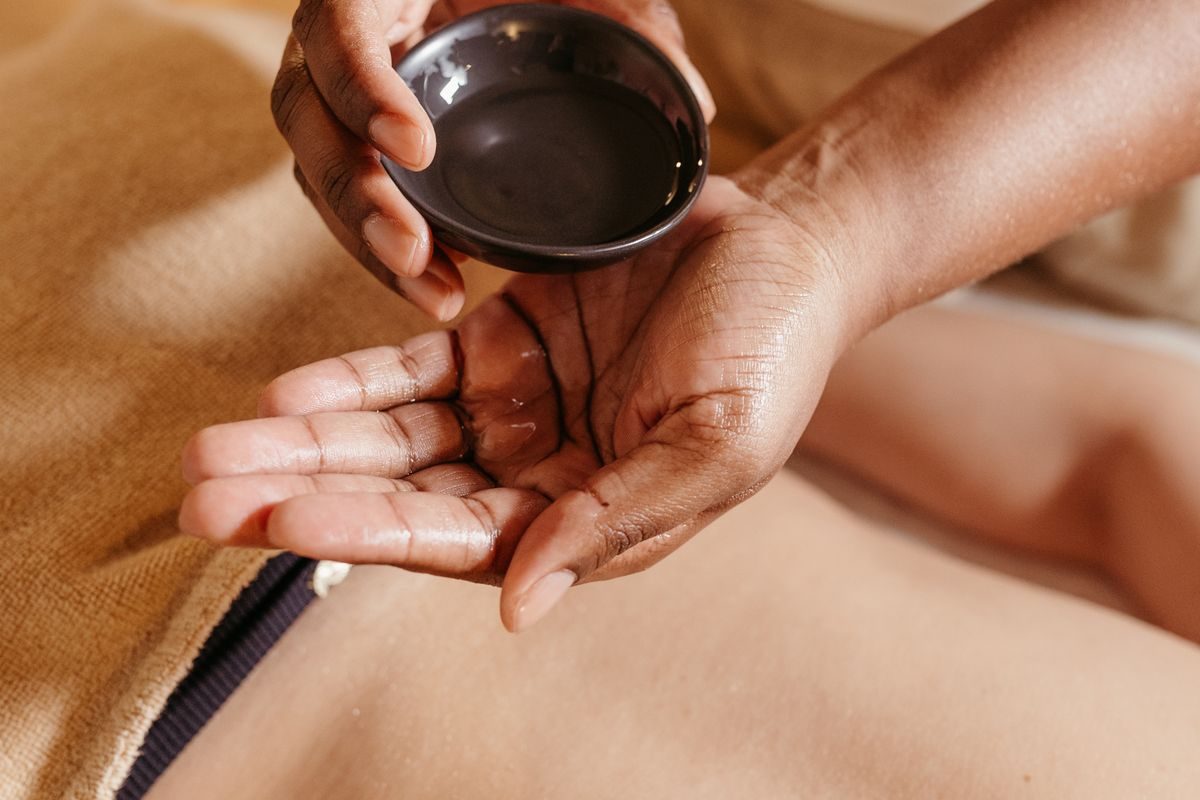
Warm medicated oil is massaged slowly around the navel with light pressure only. For some patients, warm oil is held over the navel inside a ring of dough (Nabhi Basti). There is no hard pushing and no cupping.
Learn about AbhyangamHerbs for Digestion
Short courses of simple digestive herbs, chosen after the check, to settle an upset, gassy stomach. We ask about your other medicines first.
Light Food and Rest
Moong dal khichdi, thin buttermilk with roasted cumin and warm water for a few days, and no heavy lifting while the belly settles.
Stress and Sleep
When the pain keeps returning, we look at worry and sleep as well. A fixed bedtime helps. So do slow breathing and calming therapies such as Shirodhara.
Learn about ShirodharaSafe Lifting and Core Strength
Once the pain has gone, we teach the right way to lift and a few gentle yoga postures that support the belly and the lower back.
Is This Right For You?
Who Is This For?
-
Pain around the navel after lifting, bending or a fall, once serious causes are ruled out
-
People who get "dharan" again and again and want it to stop returning
-
Navel pain that comes with loose motions, gas or weakness
-
People who have tried navel setting at home with only short relief
-
People in other cities or abroad, who can start with an online consultation before a clinic visit
Understanding It
What Is Navel Displacement?
Navel displacement is a traditional name, used across North India, for pain around the navel that people believe comes from the navel shifting out of place. In Hindi it is called nabhi khisakna or nabhi tal jana. In Punjabi people say dharan pai gayi, and some call it gola khisakna. Similar beliefs exist in Turkey and Iran.
Doctors have looked for a shifted navel and not found one. In a 2025 case series from Indore, seven adults with "navel shift" pain had blood tests and an abdominal ultrasound. None had a physical cause. All seven had anxiety or low mood behind their symptoms. They improved when that was treated (Gangwal and others, 2025).
So the pain is real, and so are the loose motions and the weakness. The cause differs from person to person. That is why we check first, and then treat you rather than the navel.
Other Causes
What Else Causes Pain Around the Navel?
Pain around the navel can come from the gut or the belly wall, and in women from the womb or ovaries. Gut problems that show nothing on tests are very common. IBS and functional dyspepsia are two of them. A study of 73,076 adults in 33 countries found that 40.3% of those surveyed online had at least one, and women had them more often (Sperber and others, 2021). The table shows what we look for.
| Cause | Typical signs | What we do |
|---|---|---|
| Acidity or gastritis | Burning or fullness above the navel, worse after meals | Diet, meal timing and herbs. See IBS and acidity care |
| IBS | Cramps that ease after passing stool, loose motions or constipation | Herbs, diet and stress care |
| Umbilical hernia | A soft bulge at the navel that grows when you cough or lift | Surgeon check. No pressing or setting |
| Ovarian cyst or period pain | Lower belly pain, often linked to the cycle | Ultrasound. See our Ayurvedic gynaecologist |
| Appendicitis | Pain near the navel that moves to the lower right, with fever or vomiting | Hospital the same day |
Appendicitis often begins as a dull ache around the navel. About 8.6% of men and 6.7% of women get it at some point in life (Addiss and others, 1990). That is why new or worsening pain should never be "set" at home.
Safety
Is Home Navel Setting Safe?
Gentle oil massage at home is usually safe, but hard pushing, or a lota pressed onto the belly, can hurt you. Strong pressure can make a hernia or an inflamed appendix much worse. In pregnancy it is never safe.
- Do not let anyone press hard or jerk your belly if the pain is severe, new or getting worse
- Never have navel setting in pregnancy, or in the weeks after a delivery or belly surgery
- Never press a lota or cup over a bulge at the navel
- Rest, warm water, light khichdi and a hot water bottle are safe first steps
If the pain comes back every few weeks, setting it again is not the answer. Something keeps setting it off, and that is what we treat.
Coming Back
Why Does Dharan Keep Coming Back?
Dharan usually returns because its trigger is still there. For some people that is weak digestion. For others it is heavy lifting with a weak core. Months of stress and poor sleep can do it too. Many of our patients are homemakers who lift water and small children all day. Shopkeepers and farmers who lift sacks come to us too, and so do students in exam season.
Stress plays a bigger part than most people think. In a worldwide study of 54,127 people, 7.2% had functional dyspepsia, a common cause of upper belly pain, and it was closely linked with anxiety and depression (Tack and others, 2025). When both the gut and the mind settle, the pain tends to return less often.
- Eat at regular times. Long gaps and late, heavy dinners upset digestion.
- Bend your knees and keep the load close to your body when you lift.
- Sleep 7 to 8 hours, with a fixed bedtime.
- Once the pain has gone, learn a few core postures in clinic, such as Setu Bandhasana (bridge pose), and do them daily.
Safety First
When to Go to Hospital Urgently
Go to a hospital the same day if belly pain is severe or constant, or if fever and vomiting come with it. A hard belly that hurts to touch is also urgent.
- Pain that moves to the lower right side of the belly
- Blood in vomit or stool, or black stools
- A painful bulge at the navel or groin that will not go back in
- Belly pain in pregnancy, or with a missed period
- Pain with burning urine, or pain that spreads from the back to the groin
- Fainting, a racing heart or feeling very unwell
Don't stop or change your prescribed medicines on your own. This includes tablets for acidity or blood pressure, and any medicine for diabetes or mood. Talk to the doctor who prescribed them.
References
- Gangwal R, Chouhan A, Chaturvedi K, Verma M, Barhate S. Gola Khisakna as a culture-bound syndrome: a case series from India. Indian J Psychol Med. 2025. PMC
- Sperber AD, Bangdiwala SI, Drossman DA, et al. Worldwide prevalence and burden of functional gastrointestinal disorders, results of Rome Foundation Global Study. Gastroenterology. 2021;160(1):99-114. PubMed
- Tack J, Palsson OS, Bangdiwala SI, et al. Functional dyspepsia and its subgroups: prevalence and impact in the Rome IV Global Epidemiology Study. Aliment Pharmacol Ther. 2025;62(3):330-339. PMC
- Addiss DG, Shaffer N, Fowler BS, Tauxe RV. The epidemiology of appendicitis and appendectomy in the United States. Am J Epidemiol. 1990;132(5):910-925. PubMed
Hero photo: "Cólico" by Darko Djurin, CC0, via Wikimedia Commons. This page is for general information and does not replace a consultation.
How It Works
Your Treatment Journey
-
1
Consultation and Belly Check
Dr. Abrol asks how the pain started, checks the belly gently and reads any reports. Bring a list of everything you take.
-
2
Rule Out Other Causes
When the story or the check suggests it, we ask for an ultrasound or a specialist opinion first.
-
3
Gentle Treatment
Warm oil therapy around the navel and digestive herbs. At home, light food and rest. You know the plan and the cost before you start.
-
4
Stop It Coming Back
Safe lifting and core postures. Regular meals and stress care. We see you again if the pain returns.
Ready to start your healing journey?
Consult Dr. Amita Abrol - Gold Medalist BAMS, 14+ years experience. Online consultations available for patients worldwide.
Book a Consultation
Clinic in Amritsar or online - your choice.
Dr. Amita Abrol
Gold Medalist BAMS, MS Gynaecology
Common Questions
Navel Displacement (Nabhi Dharan) - Frequently Asked Questions
The symptoms are real. The pain around the navel is real, and so are the loose motions and the weakness. Scans and tests have not shown the navel itself moving out of place. Doctors see navel displacement as a traditional name for these symptoms, which can come from the gut or from strain and stress. Dr. Abrol checks for the cause and treats that.
Home checks such as the thread test or feeling for a navel pulse are not reliable. A better question is what is causing the pain. If your navel hurts after lifting and you have loose motions or gas, see a doctor. They should examine your belly and rule out a hernia or a gynae cause first.
Many people with what they call dharan also have loose motions or nausea. In Ayurveda this is Vata and weak digestion (Agni) upset together. Light khichdi and thin buttermilk with roasted cumin often help. So does rest. See a doctor if loose motions last more than two days or you see blood.
No. Nobody should press or set the navel in pregnancy, or after a delivery or caesarean. Belly pain in pregnancy needs your gynaecologist first. Dr. Abrol also holds an MS in Gynaecology and Obstetrics, and can advise on safe care alongside your antenatal doctor.
It depends on the cause and how often the pain has returned. A first episode after lifting often settles within a few days, with rest and light food plus oil therapy. Pain that keeps coming back needs a longer plan. That plan covers digestion and core strength, and often stress too. Dr. Abrol tells you the plan and the cost before you start.
Dr. Amita Abrol sees patients with navel pain at Dr. Abrol Ayurveda & Panchakarma Hospital, 47/6 Krishna Square 2, Batala Road, B/s Celebration Mall, Amritsar, Punjab, India. She rules out other causes first, then plans gentle oil therapy and herbs. Diet and rest are part of it too. Book a clinic visit or call +91-9878039127.
You can start online. Dr. Abrol reviews your symptoms and reports and checks for warning signs. She then plans your diet and herbs. The oil therapy itself needs a clinic visit, so families often plan it during a trip to Amritsar. New or severe pain needs a local doctor first.
Continue Exploring
Related Conditions
From Our Blog
Learn More About Navel Displacement (Nabhi Dharan)
Start Your Natural Healing Today
14+ years of Ayurvedic expertise. 210+ certifications. Trusted by patients across India and worldwide.