Panchakarma & Detox
Where to Do Panchakarma in India: Kerala, Rishikesh or Amritsar?
Kerala, Rishikesh and Amritsar each suit a different kind of Panchakarma trip. Dr. Amita Abrol compares them by season, style of care and travel, explains what matters more than the place, and lists what to check before you book anywhere.
- Published November 22, 2026
- 10 minutes read
- By Dr. Amita Abrol
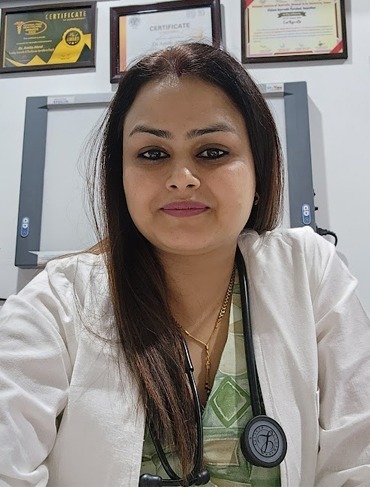
Personally supervised by Dr. Amita Abrol
Gold Medalist BAMS · MS Gynaecology & Obstetrics · 14+ years experience
Key takeaways
- The doctor, the season and enough days matter more than the region.
- Kerala suits a monsoon course; Karkidakam runs from mid-July to mid-August.
- Rishikesh suits people who want yoga first, with gentler therapies.
- Amritsar suits North India, Punjabi families, winter visits and doctor-led care.
- Kerala therapies such as Pizhichil and Njavarakizhi are also given in Amritsar.
- Get a written price that lists treatments, stay, meals and medicines.
- Don't stop or change your prescribed medicines for Panchakarma.
In This Article
- What Matters More Than the Place?
- Panchakarma in Kerala: Monsoon Tradition and Resort Stays
- Panchakarma in Rishikesh: Yoga by the Ganga
- Panchakarma in Amritsar: Doctor-Led Care in North India
- Kerala vs North India for Panchakarma: Side by Side
- What to Check Before You Book, Wherever You Go
- Where to Do Panchakarma: Myths vs Facts
- Who Should Wait, and When to See a Doctor
- A Typical Choice We Help With
- Not Sure Where to Go? Ask Us First
- About the Author
- References
By Dr. Amita Abrol, BAMS (Gold Medalist), MS · Ayurvedic Physician & Panchakarma Specialist, Amritsar · Last updated: 27 November 2026
How this article was prepared: Written by Dr. Amita Abrol, who has supervised Panchakarma in Amritsar for 14+ years and is often asked by overseas patients whether they should go south instead. Facts about Kerala come from Kerala Tourism, Government of Kerala, and travel facts from the CDC Yellow Book, read on 27 November 2026. Each source is linked below. Author credentials: Dr. Amita Abrol.
Quick answer: There is no single right place for Panchakarma in India. Kerala suits a monsoon course with a resort stay. Rishikesh suits people who want yoga first. Amritsar suits North Indian and Punjabi families, winter visits and doctor-led hospital care. Wherever you go, choose a qualified doctor and keep enough days.
What Matters More Than the Place?
Four things decide how well Panchakarma goes, wherever you do it: the doctor, the season, the number of days and the aftercare. The region comes after these.
Panchakarma is a medical course, not a holiday treatment. It is planned by a qualified Ayurvedic doctor, usually with a BAMS degree. It has three parts: preparation with oil and steam, one main cleansing step, and a recovery diet.
A beautiful setting helps you relax, and that matters. But the plan inside the treatment room matters more. In our clinic we see patients who had a lovely week somewhere, but no real cleanse. We also see patients who did a strong cleanse in too few days and felt weak for weeks. Both are avoidable.
So before you choose a region, ask these questions of any centre. Who is the doctor? Which cleansing step will I have? How many days? What happens after I leave? Our guide on how to choose a Panchakarma centre turns them into a 10-point checklist.
Panchakarma in Kerala: Monsoon Tradition and Resort Stays
Kerala is famous for Ayurveda, and it suits people who want a monsoon course, a resort setting and a long stay in the south. It has a deep Ayurvedic tradition and its own style of oil therapies.
Kerala Tourism says that, according to Ayurveda, monsoon is the season for rejuvenation therapies, as “the atmosphere remains dust-free and cool”. The rains peak from mid-July to mid-August, the month called Karkidakam, which is traditionally linked with Ayurvedic care.
The Department of Tourism, Government of Kerala, lists accredited Ayurveda centres. Its list uses classifications such as Green Leaf and Olive Leaf. If you choose Kerala, this list is a useful place to start.
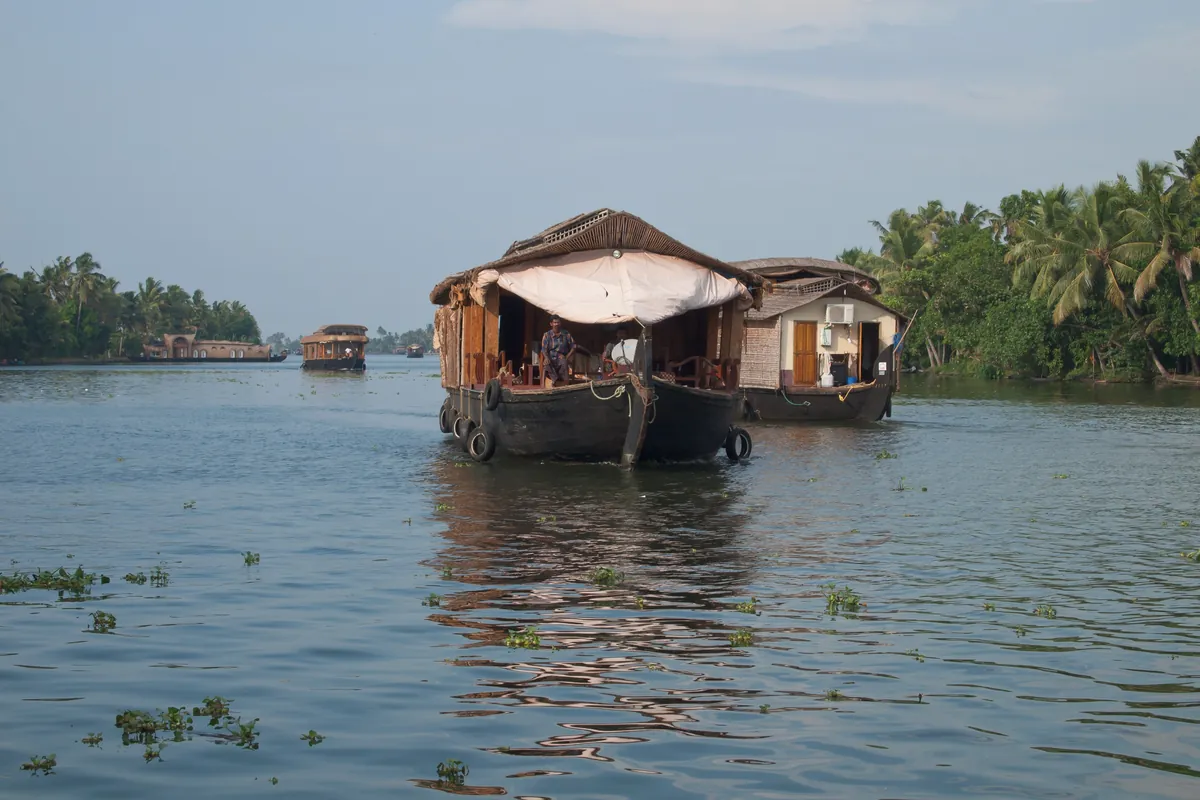
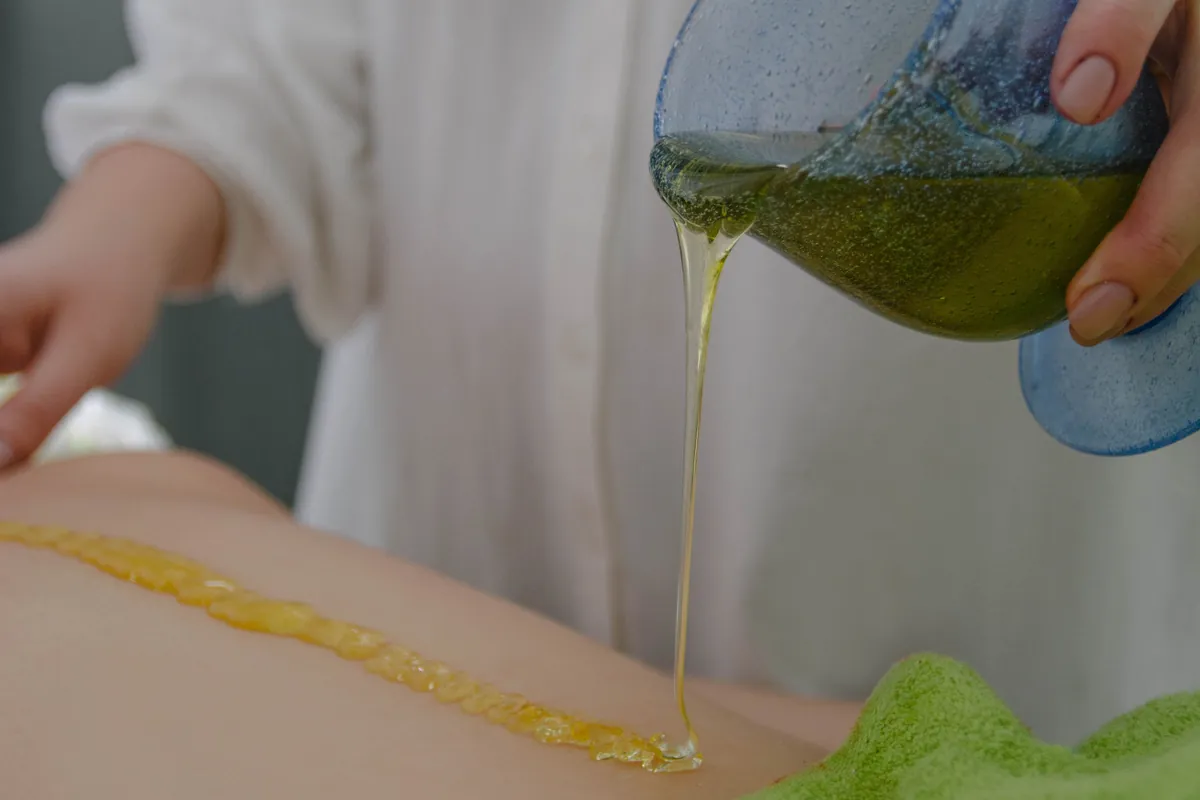
Kerala gave Ayurveda some well-loved therapies. Pizhichil is a warm oil bath given by two therapists. Njavarakizhi is a massage with warm rice boluses cooked in milk and herbs. Today these are given across India, including at our Amritsar centre.
The food is part of the experience too. Kerala centres often serve rice gruel, called kanji, and simple vegetable curries during the course. Patients who love South Indian food tend to enjoy this part.
For a family in Punjab, Delhi or abroad, Kerala means a longer trip. Plan an extra day each way and book early for the monsoon months, which are popular.
Panchakarma in Rishikesh: Yoga by the Ganga
Rishikesh suits people who want yoga and meditation first, with gentle Ayurvedic therapies alongside. It sits on the Ganga in the Himalayan foothills and is known around the world for yoga.
Many programmes there are built around a yoga timetable. The days start early with asanas and pranayama, then a massage or steam, and a light vegetarian diet. For rest and a reset, that can be lovely.
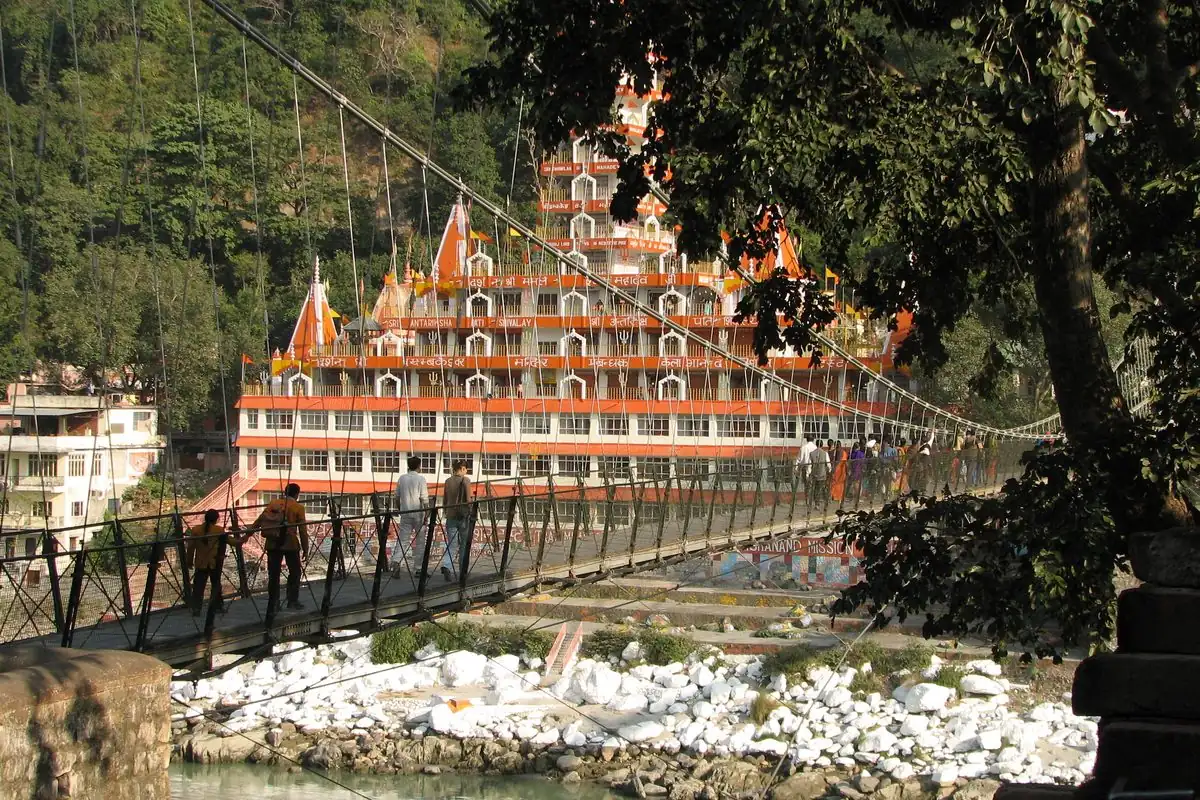
If you want full Panchakarma there, ask how the cleansing steps are supervised. Virechana, the guided purge, and Basti, the medicated enema, need a doctor's daily checks. Spring and autumn are the most comfortable seasons in the foothills.
Rishikesh also suits people who travel alone. The town is used to visitors from every country, and the evening aarti at the river is something many remember for years.
Panchakarma in Amritsar: Doctor-Led Care in North India
Amritsar suits North Indian and Punjabi families, NRIs visiting home, and anyone who wants doctor-led hospital care in a cool, dry winter. It is our home, so we can describe it in detail.
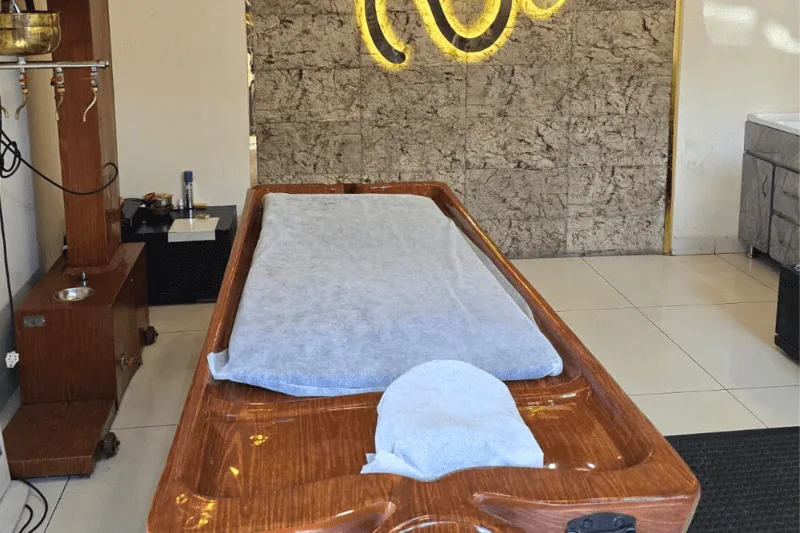
Our hospital is on Batala Road near Krishna Square. Dr. Amita Abrol, BAMS (Gold Medalist) and MS, plans and supervises every course. In 14+ years we have treated 65,000+ patients. Kerala therapies such as Pizhichil, Njavarakizhi and Patra Pinda Sweda are part of our regular plans, so you get both styles in one place.
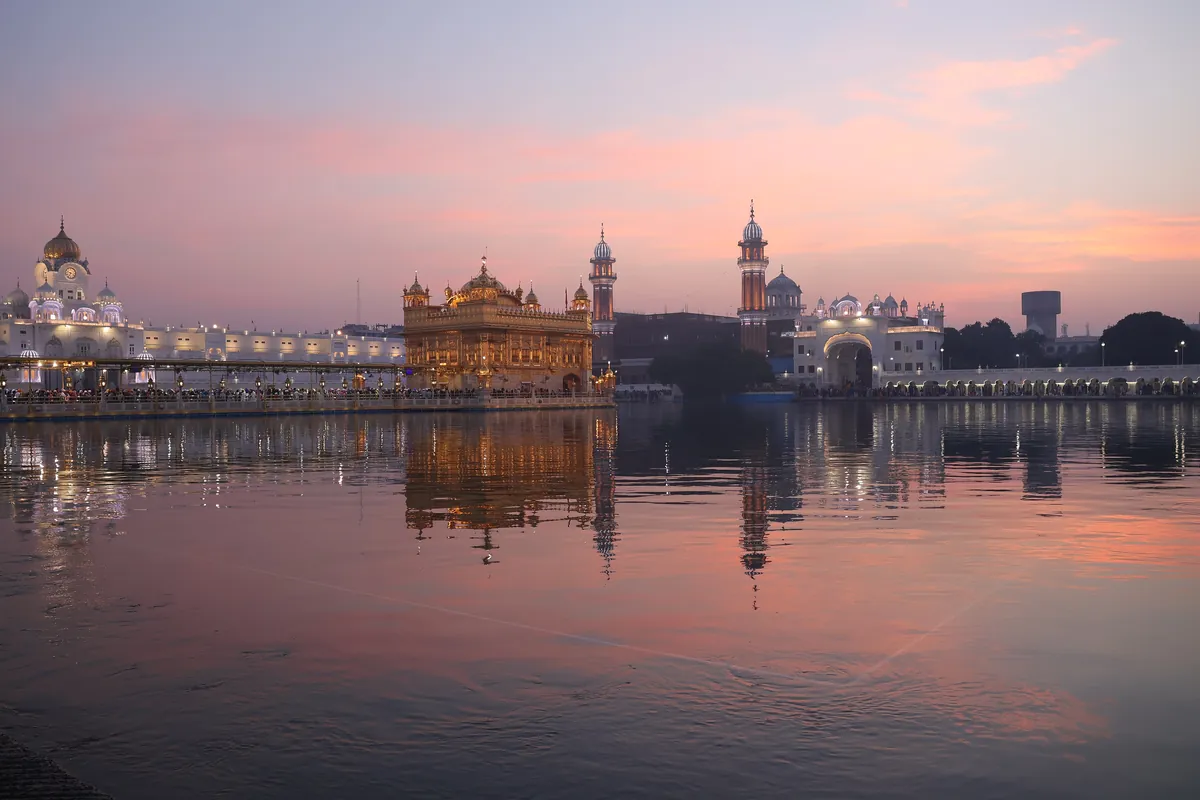
Amritsar is easy to reach. It has its own international airport and good links to Delhi. For overseas patients, rooms can be arranged at the Courtyard by Marriott hotel just behind the hospital, and the hotel can arrange airport pickup.
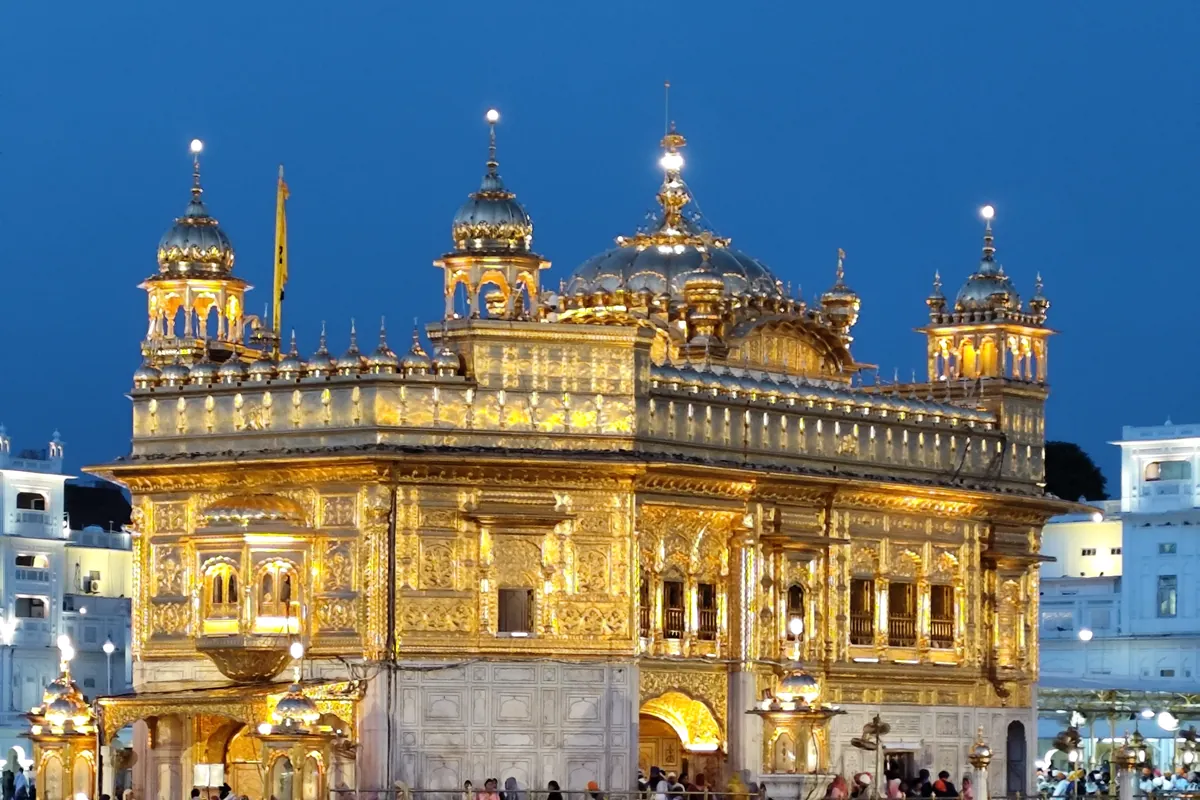
Punjab's winter, from November to February, suits oil therapies and Basti very well. Many families combine a course with a visit to the Golden Temple, home-cooked Punjabi food and time with relatives. Our Panchakarma centre in Amritsar page shows the rooms and therapies.
A day on Panchakarma in Amritsar
Mornings are for therapy. You arrive around 9 or 10, the doctor checks your pulse and blood pressure, and the therapies follow for two to three hours. Lunch is light, warm and simple, such as moong dal khichdi with a little ghee.
Afternoons are slow. Many patients rest, then walk to the Golden Temple as the light fades, or sit with family over a cup of ginger tea. Dinner is early, and so is bed. In winter, the cool dry air and the warm oils suit each other well.
Our treatment-only packages cost ₹45,000 for 7 days (18 treatments), ₹82,000 for 14 days (38 treatments) and ₹1,22,000 for 21 days (55 treatments). For a stay with meals and yoga, see our Panchakarma retreat in India packages.
Kerala vs North India for Panchakarma: Side by Side
Kerala, Rishikesh and Amritsar differ mainly in season, style and travel time, so the right choice depends on your plans. This table puts them side by side.
| Region | When and what style | Suits |
|---|---|---|
| Kerala | Monsoon, or October to March; traditional care, often in a resort | Long monsoon stays, lovers of the south |
| Rishikesh | Spring and autumn; yoga first, therapies alongside | Yoga, meditation and rest |
| Amritsar | October to March; doctor-led hospital care, Kerala therapies included | Punjabi and NRI families, winter visits |
Choosing by season
Classical texts link each main cleansing step to a season. The Charaka Samhita (Sutra Sthana 7) pairs Vamana with spring, Virechana with autumn and Basti with the rains. So the month you can travel often points to the therapy, and the therapy can point to the place. Our guide on the best time for Panchakarma explains each season in Punjab.
Distance matters too. The CDC Yellow Book says the body clock adjusts by about 1 hour a day after flying east. Patients from Canada or the US need a few quiet days after landing, wherever they go.
Can you combine two regions?
Yes, and some families do. A common plan is Panchakarma in Amritsar during the winter visit home, and a holiday in Kerala or a yoga week in Rishikesh on another trip. Just keep the cleanse and the recovery diet in one place, under one doctor. Moving between cities in the middle of a course undoes much of the good.
What to Check Before You Book, Wherever You Go
Before you book Panchakarma in any region, get a written plan and price from the doctor. These are the points we suggest every patient checks.
- The doctor: name, degree and registration, and how often they will see you.
- The therapies: which cleansing step you will have, and why.
- The days: how many treatment days, plus rest days on either side.
- The price: what it includes, such as stay, meals and medicines, and what costs extra.
- Aftercare: a written recovery diet and a follow-up call after you go home.
- Safety: the nearest hospital, and who to call at night.
If you are travelling from abroad, our guide to Panchakarma in India for NRIs covers documents, timing and follow-up.
Where to Do Panchakarma: Myths vs Facts
A few common beliefs send people to the wrong place, or to the right place at the wrong time.
| Myth | Fact |
|---|---|
| Real Panchakarma happens only in Kerala. | It comes from the classical texts and is practised by qualified doctors across India. |
| A yoga retreat is the same as Panchakarma. | Panchakarma is a doctor-planned course with a cleansing step and recovery diet. |
| Monsoon is the only right time. | Each therapy has its own season. Winter suits oil therapies and Basti. |
| Kerala therapies need a trip south. | Pizhichil and Njavarakizhi are given in many states, including Punjab. |
| A resort means medical care. | Ask who the doctor is, wherever you stay. |
Who Should Wait, and When to See a Doctor
Panchakarma should wait during pregnancy, a fever or infection, or in the weeks after surgery, wherever you plan to go. Uncontrolled blood pressure, sugar or heart disease needs your doctor's advice first.
Older parents often come along on these trips. Age alone is not a reason to say no, but we use gentler therapies, shorter sessions and closer checks for them. Women can usually continue oil therapies during their period, but we pause Basti and the strong cleansing steps for those days.
The further you travel, the more this matters. A centre far from home should know your full history before you arrive. Share your reports early, and ask how they handle a problem at night.
Don't stop or change your prescribed medicines for Panchakarma. Bring a full list, and enough medicine for the whole trip. Get urgent care at a hospital for chest pain, fainting, vomiting or loose motions that will not stop, blood in vomit or stools, or a high fever.
A Typical Choice We Help With
Most patients who ask us “Kerala or Amritsar?” already know the answer once we talk about their dates and family. Here is a composite example, with details changed for privacy.
A couple in their fifties from Birmingham, with family in Jalandhar, booked an online consultation. She had stiff shoulders and poor sleep. He had lower back pain from long hours of driving. They had read about Kerala and were unsure.
Their leave was in January, which they always spend in Punjab. So Dr. Abrol suggested 14 days in Amritsar, with oil therapies, Pizhichil and Basti, starting after three rest days. They stayed at the hotel behind the hospital and spent weekends with family.
By the end, she was sleeping through the night and he could sit through a long drive with less pain. Both kept their regular tablets throughout, and we sent their diet plan home in English. They still plan to see the Kerala backwaters one day, on holiday. Results differ from person to person.
Not Sure Where to Go? Ask Us First
Tell us your travel dates, your health concerns and what kind of stay you want. Dr. Abrol will tell you honestly what suits you, even if the answer is a different season.
Phone / WhatsApp: +91-9878039127
About the Author
Dr. Amita Abrol is an Ayurvedic physician and Panchakarma specialist in Amritsar, Punjab. She holds a BAMS (Gold Medalist) and an MS in Gynaecology & Obstetrics (Stree Prasuti Tantra). She supervises Panchakarma in Amritsar, including Kerala oil therapies, for patients from Punjab, the rest of India and abroad. She also sees patients in India and abroad through online consultations.
Experience: 14+ years of supervised Panchakarma practice. Clinic address and phone are listed in the site footer.
References
- Kerala Tourism, Government of Kerala. Monsoon and Karkidakam.
- Department of Tourism, Government of Kerala. Accredited Ayurveda centres.
- Riedy SM, Williams SG. Jet Lag Disorder. CDC Yellow Book, 2026 edition.
- Charaka Samhita, Sutra Sthana, Chapter 7 (Navegandharaniya Adhyaya), verse 46.
Images: “Kerala backwaters, Houseboats, India” by Vyacheslav Argenberg, CC BY 4.0; “Rishikesh, Lakshman Jhula” by McKay Savage, CC BY 2.0; “Golden Temple 2022” by Indiancuisne, CC BY-SA 4.0 (Wikimedia Commons, cropped and resized). The cover photo is from the Dr. Abrol Ayurveda website image library. The droni room photo is our own. Used for education; not photographs of patients at this hospital.
Medical disclaimer: This article is for education and does not replace a consultation with your doctor. Do not stop or change prescribed medicine on your own. Chest pain, fainting, vomiting or loose motions that will not stop, blood in vomit or stools, or a high fever needs urgent care at a hospital.
Have questions about your own symptoms?
Every case is different. Book a consultation with Dr. Abrol for a treatment plan personalised to your Prakriti and health history.
In This Article
- What Matters More Than the Place?
- Panchakarma in Kerala: Monsoon Tradition and Resort Stays
- Panchakarma in Rishikesh: Yoga by the Ganga
- Panchakarma in Amritsar: Doctor-Led Care in North India
- Kerala vs North India for Panchakarma: Side by Side
- What to Check Before You Book, Wherever You Go
- Where to Do Panchakarma: Myths vs Facts
- Who Should Wait, and When to See a Doctor
- A Typical Choice We Help With
- Not Sure Where to Go? Ask Us First
- About the Author
- References
Book a Consultation
Get a personalised Ayurvedic treatment plan from Dr. Abrol - in clinic or online.
Dr. Amita Abrol
Gold Medalist BAMS, MS Gynaecology
Common Questions
Frequently Asked Questions
No. Panchakarma comes from the classical texts, such as the Charaka Samhita, and is practised by qualified Ayurvedic doctors across India. Kerala has its own famous oil therapies, such as Pizhichil and Njavarakizhi, and these are now given in many states too, including at our Amritsar centre. What makes it real is the doctor and the plan, not the postcode.
Rishikesh is a lovely place for yoga, and some centres there offer Panchakarma alongside it. If you want the full cleansing steps, such as Virechana or Basti, ask who the supervising doctor is and how many days the course runs. A yoga week with daily massage is restful, but it is not the same as a Panchakarma course.
Kerala Tourism links Ayurveda with the monsoon, and Karkidakam, from mid-July to mid-August, is the traditional season there. Many people also go between October and March, when it is drier. Your doctor should match the month to the therapy you need, and not just to the weather.
Yes. Kerala therapies such as Pizhichil, a warm oil bath, Njavarakizhi, a massage with rice boluses, and Patra Pinda Sweda, with herbal leaf bundles, are given in many North Indian centres. At our Amritsar centre they are part of regular Panchakarma plans, chosen by Dr. Abrol for each patient.
A fair price should be in writing and list the number of days, the number of treatments, the doctor's consultations and the medicines. If a stay or meals are included, that should be written too. Ask what costs extra, such as take-home medicines or added therapies, before you pay anything.
No. A yoga retreat focuses on yoga, rest and healthy food, often with a daily massage. Panchakarma is a medical course planned by a doctor, with preparation, one main cleansing step and a recovery diet. Both can do you good. Just be clear which one you are booking.
Continue Exploring
Related Treatments & Conditions
Keep Reading
More on Panchakarma & Detox
Ready to Start Your Ayurvedic Healing Journey?
Book a clinic visit or online consultation with Dr. Abrol, based on what you've just read.