Panchakarma & Detox
Panchakarma in India for NRIs: How to Plan the Trip, Step by Step
Many NRI families try to fit Panchakarma into a trip home and end up rushing it. Dr. Amita Abrol explains how many days to keep, which documents you need, when to come, where to stay in Amritsar and how follow-up works once you fly back.
- Published November 24, 2026
- 10 minutes read
- By Dr. Amita Abrol
Personally supervised by Dr. Amita Abrol
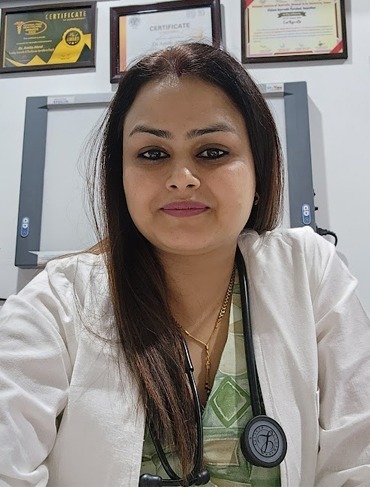
Gold Medalist BAMS · MS Gynaecology & Obstetrics · 14+ years experience
Key takeaways
- Keep at least 7 days for Panchakarma, plus 2 to 3 rest days after landing.
- Indian passport and OCI holders do not need a separate visa for treatment.
- Book an online consultation 6 to 8 weeks before you fly.
- October to March suits most NRI visits; avoid wedding weeks for the main cleanse.
- CDC: the body clock adjusts about 1 hour a day after flying east.
- Carry all your regular medicines and bring your records home in English.
- Don't stop or change your prescribed medicines for Panchakarma.
In This Article
- How Many Days Do NRIs Need for Panchakarma?
- Do NRIs Need a Visa for Panchakarma in India?
- An 8-Week Plan for Panchakarma in India
- Where Will You Stay in Amritsar?
- What Happens After You Fly Back?
- Panchakarma for NRIs: Myths vs Facts
- Who Should Wait, and When to See a Doctor
- A Typical NRI Plan We Make
- Plan Your Panchakarma Before You Fly
- About the Author
- References
By Dr. Amita Abrol, BAMS (Gold Medalist), MS · Ayurvedic Physician & Panchakarma Specialist, Amritsar · Last updated: 27 November 2026
How this article was prepared: Written by Dr. Amita Abrol from the questions NRI families ask us every winter, at our Amritsar clinic and in online consultations from Canada, the UK, the US and the Gulf. Visa and travel facts come from Government of India pages and the CDC Yellow Book, read on 27 November 2026. Each one is linked below. Author credentials: Dr. Amita Abrol.
Quick answer: NRIs can do Panchakarma in India on a normal trip home. Keep at least 7 days for the course, 2 or 3 rest days after you land and a few light days before you fly back. Indian passport and OCI holders need no separate visa. Book an online consultation 6 to 8 weeks before you travel.
How Many Days Do NRIs Need for Panchakarma?
Most NRIs need 7 to 21 days for Panchakarma itself, plus 2 or 3 days to rest after the flight. The right length depends on why you are coming, your age and your health. Plan the leave first, then the tickets.
We meet many families who book a 3-week trip home and hope to fit Panchakarma into the last 4 days. That rarely works. Panchakarma has three parts. First comes preparation with oil and steam. Then one main cleansing step. Last come the recovery days, when food returns step by step.
Ayurveda calls that last part Samsarjana Krama, meaning the gradual return to normal food. Skipping it is the most common mistake we see. Our Panchakarma diet guide shows what those days look like.
This table shows the lengths we suggest most often to NRI patients, with our treatment-only prices.
| Length | Suits | Price (therapies only) |
|---|---|---|
| 7 days | A yearly cleanse, stress, a first visit | ₹45,000 (18 treatments) |
| 14 days | Tiredness, digestion, joint stiffness | ₹82,000 (38 treatments) |
| 21 days | Long-standing pain, skin or weight concerns | ₹1,22,000 (55 treatments) |
What a typical therapy day looks like
Most days start between 9 and 10 in the morning. You come in on an empty stomach or after a light breakfast, as advised. The doctor checks your pulse, blood pressure and how you slept.
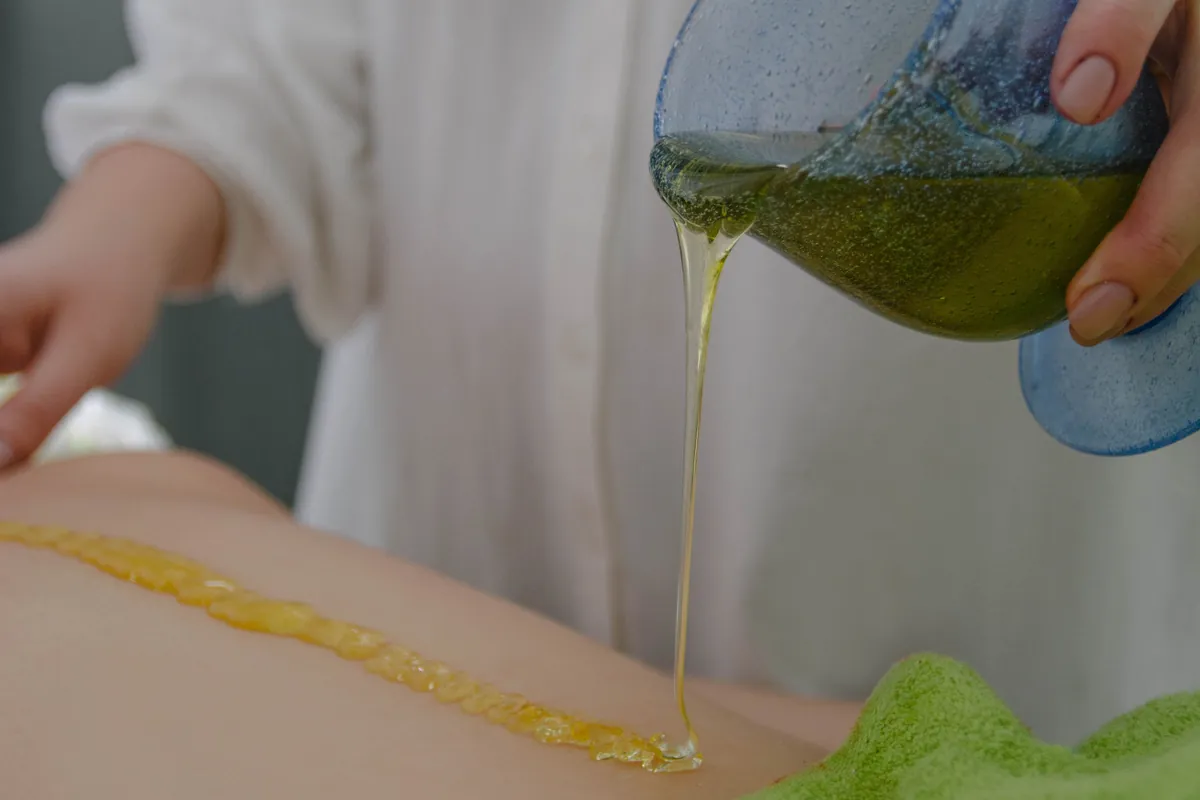
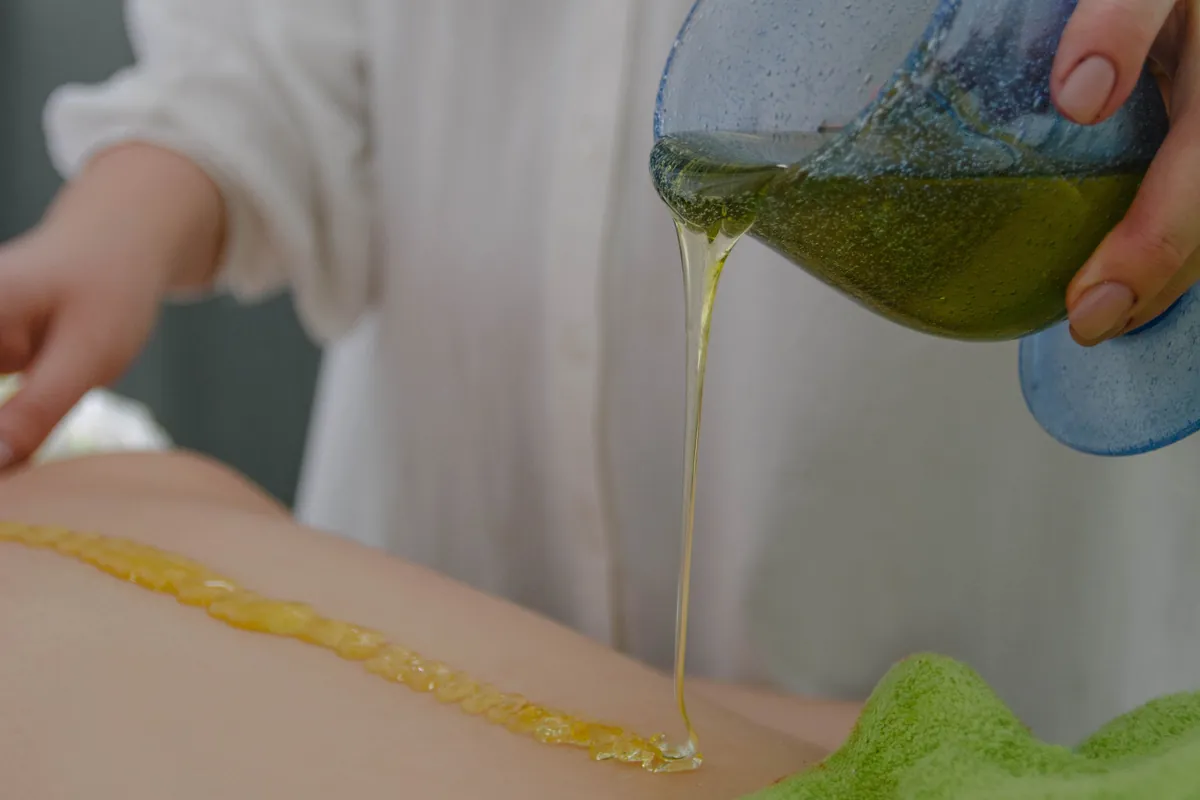
Then come the therapies, usually two or three, for about two to three hours. Oil massage is followed by steam, and some days by Basti or a nasal therapy. You rest for a while, eat a light lunch and spend the afternoon quietly.
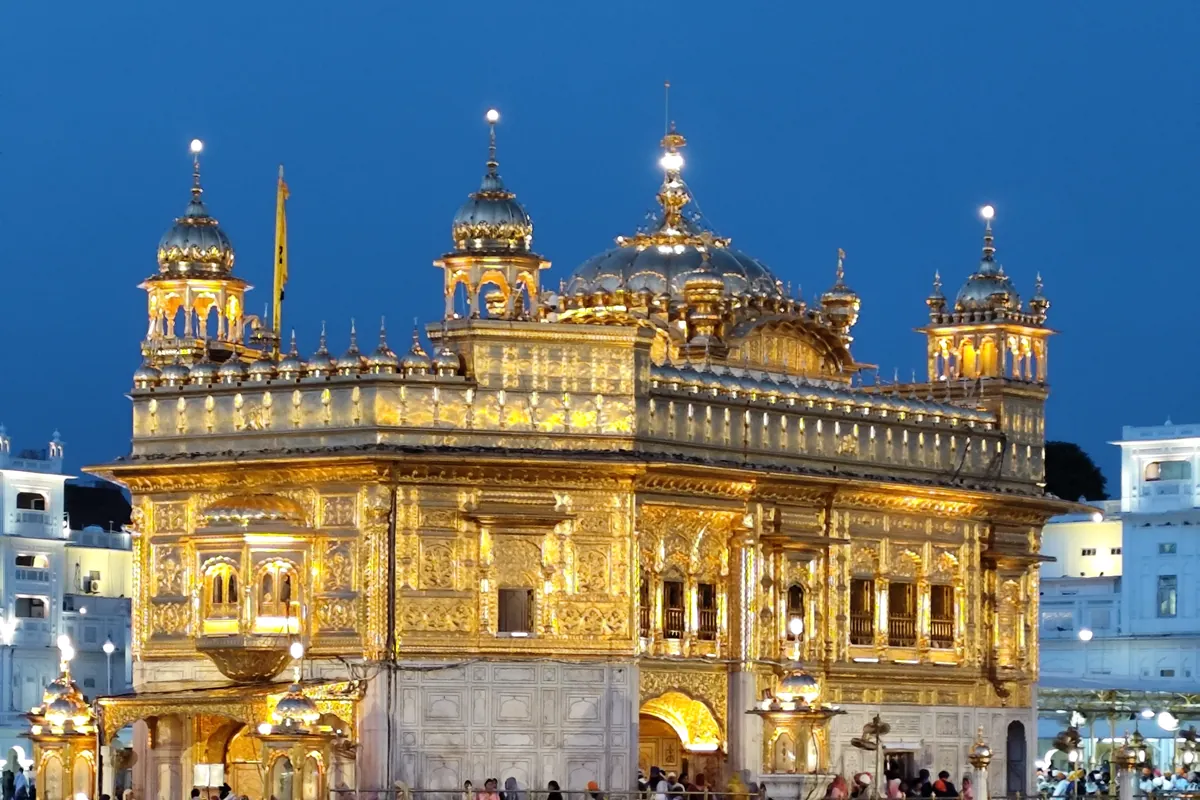
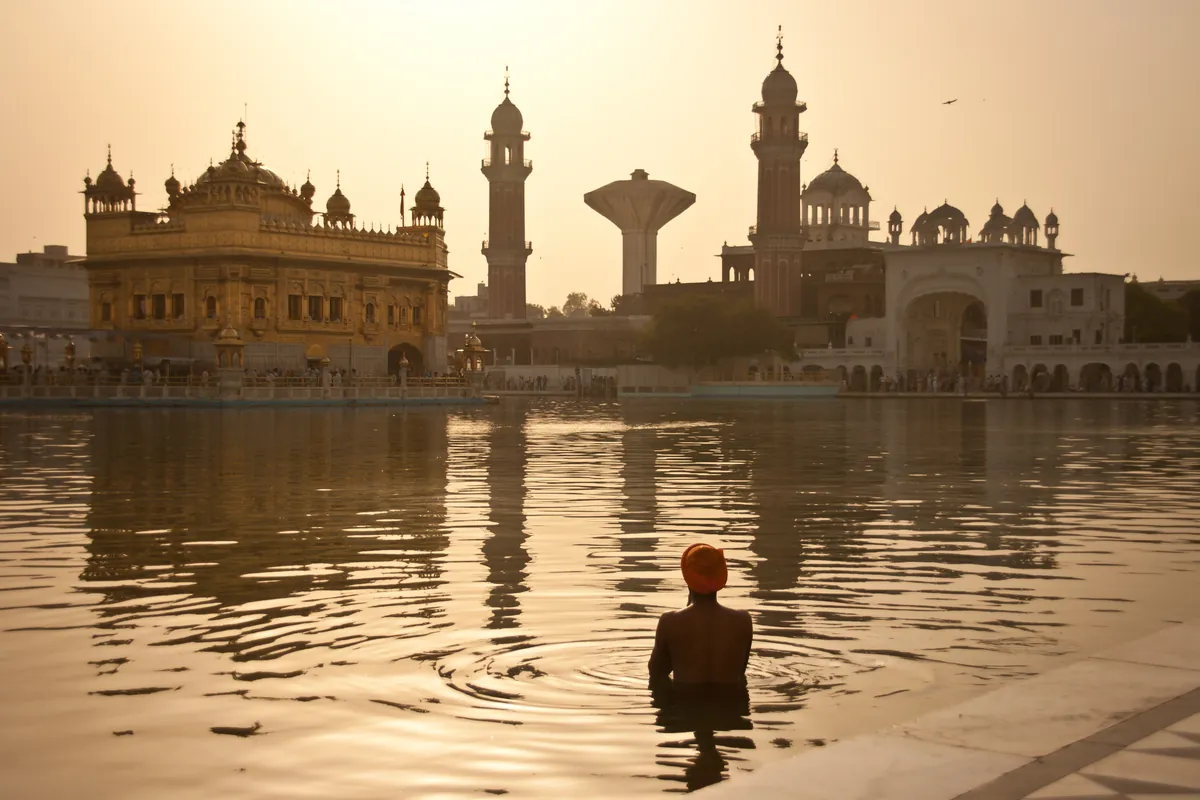
Afternoons are free for family, a slow walk or a visit to the Golden Temple. What we ask is no heavy meals out, no long drives and an early night. Patients who keep to this usually feel the difference by the fourth or fifth day.
These are our Panchakarma packages for patients who stay with family. If you want the stay, meals and daily yoga arranged too, see our Panchakarma retreat in India packages. The final plan and price are confirmed after your consultation.
Do NRIs Need a Visa for Panchakarma in India?
No. NRIs with an Indian passport need no visa, and OCI cardholders do not need a separate visa for treatment. Only people of Indian origin who hold a foreign passport without an OCI card need a visa.
The NRI community is large. As of January 2026, the Ministry of External Affairs counts 1,77,60,528 Non-Resident Indians. Counting people of Indian origin too, there are 32,47,980 overseas Indians in Canada, 12,82,836 in the UK and 60,79,221 in the USA. Many of our patients come from these three countries.
If you hold an OCI card
Check one thing before you book. The Embassy of India in Washington says OCI cardholders must update their OCI record each time a new passport is issued. Families often renew a passport and forget this step. Do it online well before you fly.
If you hold a foreign passport without OCI
You will need a visa. The Government of India e-Visa page lists treatment under Indian systems of medicine as a purpose. Read our guide to the AYUSH visa for Ayurveda treatment to see which route fits you.
Whatever your passport, bring these to India:
- Your latest blood reports and any scans, on paper and on your phone.
- A list of every medicine and supplement you take, with doses.
- A full supply of your regular medicines for the whole trip, plus a week extra.
- A letter from your family doctor if you have heart disease, diabetes or epilepsy.
An 8-Week Plan for Panchakarma in India
Start planning Panchakarma 6 to 8 weeks before your flight, with an online consultation first. Here is the order we suggest to NRI patients.
6 to 8 weeks before: the online consultation
Dr. Abrol reads your reports, asks about your medicines and suggests a length. She also tells you honestly if Panchakarma should wait, for example after recent surgery. Most of our overseas patients start with an online Ayurvedic consultation.

4 weeks before: book the dates and the stay
Fix your therapy dates with our team, then book your flights around them. If you want a hotel room, ask us when you book. We tell you which reports to repeat before you fly.
1 week before: the preparation diet
Eat simple, warm, home-cooked food. Cut down on alcohol, fried snacks, sweets and late nights. This makes the first days in India easier.
Which months suit NRI visits?
October to March suits most NRI families. The weather in Punjab is pleasant and many families are home for weddings and festivals anyway. Classical texts link each main therapy to a season (Charaka Samhita, Sutra Sthana 7). Winter in Amritsar suits oil therapies and Basti, while spring suits Vamana. Our guide on the best time for Panchakarma explains each season.
Where Will You Stay in Amritsar?
Most NRI patients either stay with family in Punjab or take a room at the Courtyard by Marriott hotel, which is just behind our hospital. Rooms there can be arranged as part of your plan, and the hotel can arrange pickup from Amritsar airport.
Being close matters more than people expect. After oil therapies and steam you feel warm and sleepy. A two-minute walk back to your room is far better than an hour in Amritsar traffic. Families from Jalandhar or Tarn Taran often stay at home and come in each morning.
Travelling with children? That is common in December. Children can stay with you at the hotel or with grandparents, and older children often enjoy the walk to the Golden Temple in the evening. Just plan who looks after them during your therapy hours.
Amritsar has its own international airport, Sri Guru Ram Dass Jee International Airport. Many patients fly in directly. Others land in Delhi and take a short domestic flight or a train to Amritsar. Our hospital is on Batala Road near Krishna Square.
Give your body time to land
Jet lag is real, and it affects digestion too. The CDC Yellow Book says the body clock adjusts by about 1 hour a day after flying east, and about 1.5 hours a day after flying west. Coming from Toronto or Vancouver, the time difference is more than 10 hours.
So we keep the first 2 or 3 days gentle. You get the consultation, pulse reading and oil massage, called Abhyangam, while your sleep settles. The main cleansing step comes later, when appetite and sleep are back to normal.
What Happens After You Fly Back?
After you fly back, the recovery diet, your take-home medicines and an online follow-up carry the work forward. Panchakarma does not end on the last therapy day.
The CDC advises medical travellers to bring home copies of their records in English, to share with their own doctors. We give every overseas patient a written summary in English. It lists the therapies, the medicines and the diet for the next few weeks.
- First 1 to 2 weeks: light, warm meals. Return slowly to your usual food.
- First month: take-home medicines, if any, exactly as written.
- 4 to 6 weeks: an online follow-up with Dr. Abrol, with any new reports.
Customs rules on herbal medicines differ between countries. Check your country's rules before you pack them, and keep the clinic's prescription with you.
Panchakarma for NRIs: Myths vs Facts
A few common beliefs lead NRIs to rush Panchakarma or skip the parts that matter. These are the ones we hear most often.
| Myth | Fact |
|---|---|
| Three or four days is enough. | A short visit suits oil therapies. A real course needs 7 days or more. |
| You can start the day you land. | Jet lag upsets sleep and digestion. Rest 2 or 3 days first. |
| Panchakarma means stopping your medicines. | Your regular medicines continue. We plan around them. |
| It is over once you fly home. | The recovery diet and follow-up decide how long the benefit lasts. |
| A wedding week is a good time. | Rich food and late nights clash with a cleanse. Keep them apart. |
Who Should Wait, and When to See a Doctor
Panchakarma should wait if you are pregnant, have a fever or infection, or have had surgery in the last few weeks. Uncontrolled blood pressure, sugar or heart disease also needs your doctor's advice first.
Elderly parents are a common question. Age alone is not a reason to say no. But we use gentler therapies, shorter days and closer checks. Please share their reports before you book. Our post on Panchakarma side effects explains what is normal and what is not.
Don't stop or change your prescribed medicines for Panchakarma, including blood pressure, sugar, thyroid and blood thinner tablets. Get urgent care at a hospital for any of these:
- Chest pain, fainting or a racing heartbeat.
- Vomiting or loose motions that will not stop, or signs of dehydration.
- Blood in vomit or stools.
- A high fever, or severe weakness after a cleansing day.
A Typical NRI Plan We Make
Most NRI plans that work well have one thing in common: the family kept enough days for rest at both ends. Here is a composite example from our clinic, with details changed for privacy.
A 56-year-old accountant from Surrey, British Columbia, wrote to us in October. His family is from near Tarn Taran. He had stiff knees and lower back pain, poor sleep and high cholesterol. He was coming home for a niece's wedding in mid-December.
At the online consultation, Dr. Abrol suggested 14 days, starting after the wedding. He landed on 8 December and rested at his brother's house. He went to the wedding, then began on 16 December with oil massage, steam and Basti.
By the second week his sleep was better and his knees felt looser on the stairs. He kept his statin and blood pressure tablets throughout. At the 6-week online follow-up, the stiffness was still less, and he was walking daily. Results differ from person to person.
Plan Your Panchakarma Before You Fly
If you are planning a trip home this winter, start with a conversation. Share your reports and travel dates, and Dr. Abrol will suggest a length that fits your leave and your health.
Already in Punjab? You can also book a clinic visit. Phone / WhatsApp: +91-9878039127
About the Author
Dr. Amita Abrol is an Ayurvedic physician and Panchakarma specialist in Amritsar, Punjab. She holds a BAMS (Gold Medalist) and an MS in Gynaecology & Obstetrics (Stree Prasuti Tantra). She plans Panchakarma for NRI families from Canada, the UK, the US and the Gulf every winter, around their leave and family events. She also sees patients in India and abroad through online consultations.
Experience: 14+ years of supervised Panchakarma practice. Clinic address and phone are listed in the site footer.
References
- Ministry of External Affairs, Government of India. Population of Overseas Indians (data as of January 2026).
- Riedy SM, Williams SG. Jet Lag Disorder. CDC Yellow Book: Health Information for International Travel, 2026 edition.
- Stoney RJ, Leidel L. Medical Tourism. CDC Yellow Book: Health Information for International Travel, 2026 edition.
- Embassy of India, Washington D.C. Passport Updation on OCI Card.
- Government of India. e-Visa: eligibility and FAQs.
- Charaka Samhita, Sutra Sthana, Chapter 7 (Navegandharaniya Adhyaya), verse 46.
Images: “Harmandir Sahib Reflected in the Amrit Sarovar at Amrit Vela, Amritsar, Punjab, India” by Kavaljeet Singh, CC BY-SA 4.0; “Morning at the Golden Temple, Amritsar” by Viwehei, CC BY-SA 3.0 (Wikimedia Commons, cropped and resized). The clocks photo is from the Dr. Abrol Ayurveda website image library. The consultation room photo is our own. Used for education; not photographs of patients at this hospital.
Medical disclaimer: This article is for education and does not replace a consultation with your doctor. Do not stop or change prescribed medicine on your own. Chest pain, fainting, vomiting or loose motions that will not stop, blood in vomit or stools, or a high fever needs urgent care at a hospital.
Have questions about your own symptoms?
Every case is different. Book a consultation with Dr. Abrol for a treatment plan personalised to your Prakriti and health history.
In This Article
- How Many Days Do NRIs Need for Panchakarma?
- Do NRIs Need a Visa for Panchakarma in India?
- An 8-Week Plan for Panchakarma in India
- Where Will You Stay in Amritsar?
- What Happens After You Fly Back?
- Panchakarma for NRIs: Myths vs Facts
- Who Should Wait, and When to See a Doctor
- A Typical NRI Plan We Make
- Plan Your Panchakarma Before You Fly
- About the Author
- References
Book a Consultation
Get a personalised Ayurvedic treatment plan from Dr. Abrol - in clinic or online.
Dr. Amita Abrol
Gold Medalist BAMS, MS Gynaecology
Common Questions
Frequently Asked Questions
Yes, if the main cleansing days are kept away from the wedding. Rich food, late nights and travel undo much of the work. We usually plan the gentle oil and steam days around the functions, and the cleanse itself in a quiet week. Tell us the wedding dates at your online consultation and we will plan around them.
Seven days is enough for a short course with preparation, one main cleansing step and a few days of recovery diet. Long-standing problems, such as joint pain or skin trouble, often need 14 or 21 days. Dr. Abrol suggests a length after the consultation, based on your health and the leave you have.
Yes. Many NRI couples and parents do Panchakarma together, each with their own plan. Family members can also stay with you without taking treatment. Elderly parents need a careful check first, especially with heart disease, diabetes or high blood pressure, so share their reports before you book.
We strongly suggest it. An online consultation 6 to 8 weeks ahead lets Dr. Abrol read your reports, check your medicines and decide the right length. You can start a simple preparation diet at home, so you do not lose days in India. Your therapies are then ready on the day you arrive.
Yes. An OCI card lets you visit India without a separate visa, and Panchakarma is ordinary treatment. Make sure your OCI record has your current passport. The Embassy of India says cardholders must upload each new passport. Foreign passport holders without OCI need a visa; our AYUSH visa guide explains the options.
You can pay at the clinic in rupees when you arrive, and we give a written breakdown of what each package includes. Ask about payment options at your online consultation. Medicines to take home and any extra therapies are listed separately, so there are no surprises on the last day.
Continue Exploring
Related Treatments & Conditions
Keep Reading
More on Panchakarma & Detox
Ready to Start Your Ayurvedic Healing Journey?
Book a clinic visit or online consultation with Dr. Abrol, based on what you've just read.